
Wind, hail, summer heat, and freeze thaw cycles are hard on Mid Atlantic roofs. If you own a home in Maryland, Virginia, West Virginia, or Pennsylvania, your roof is taking a beating every season, whether you see it or not.
That is where a solid “roof inspection near me” comes in. A roof inspection is a structured check of your roofing system, from shingles and flashing to gutters and attic ventilation. A trained inspector looks for current damage, early warning signs, and weak spots that could turn into leaks or interior repairs.
Why regular roof inspections matter in the Mid Atlantic
In this region you deal with heavy thunderstorms, coastal systems, snow, ice, and humid summers. Each weather pattern stresses your roof in a different way. High wind can lift shingles. Hail can bruise or crack them. Heat can dry them out. Ice can push water back up under the roofing. Problems usually start small, often as missing granules, lifted edges, or failing sealant around vents.
If you catch those issues early through a professional inspection, you can usually handle them with targeted repairs instead of a major project. That is where real savings come from. A short appointment now often avoids interior drywall repairs, mold work, damaged insulation, or an early full replacement.
How it saves money and stress
When you pick a reputable local service that offers a free roof inspection, you get three clear benefits. You know the current state of your roof. You have a written plan for repairs or replacement. You avoid paying out of pocket for damage that might qualify under your homeowners insurance.
From there, your path is simple. Get a free inspection for storm or roof concerns. Pick and install the right roof or repair plan. Rest easy knowing your family is safe and dry underneath it.
What a “roof inspection near me” actually does for you
When you search for a local inspector, you are looking for someone who will:
Check for storm damage, especially after wind or hail events.
Review basic maintenance items, such as exposed nail heads, loose flashing, and clogged gutters.
Evaluate overall roof health, including ventilation, age, and remaining life.
Document what they find, often with photos and clear next steps.
You can pair that inspection with seasonal upkeep. For instance, using a simple checklist like this monthly roof maintenance guide helps your roof last longer between big projects.
Types of Roof Inspections Relevant To Your Home Or Property
Not every roof inspection is the same. The right type depends on what you are dealing with, such as storm damage, a home sale, or a new roof that was just installed. Here is how the main inspection types break down so you can ask for what you actually need.
Residential Roof Inspections
Purpose. Protect your home, catch leaks early, and extend roof life in our Mid Atlantic weather.
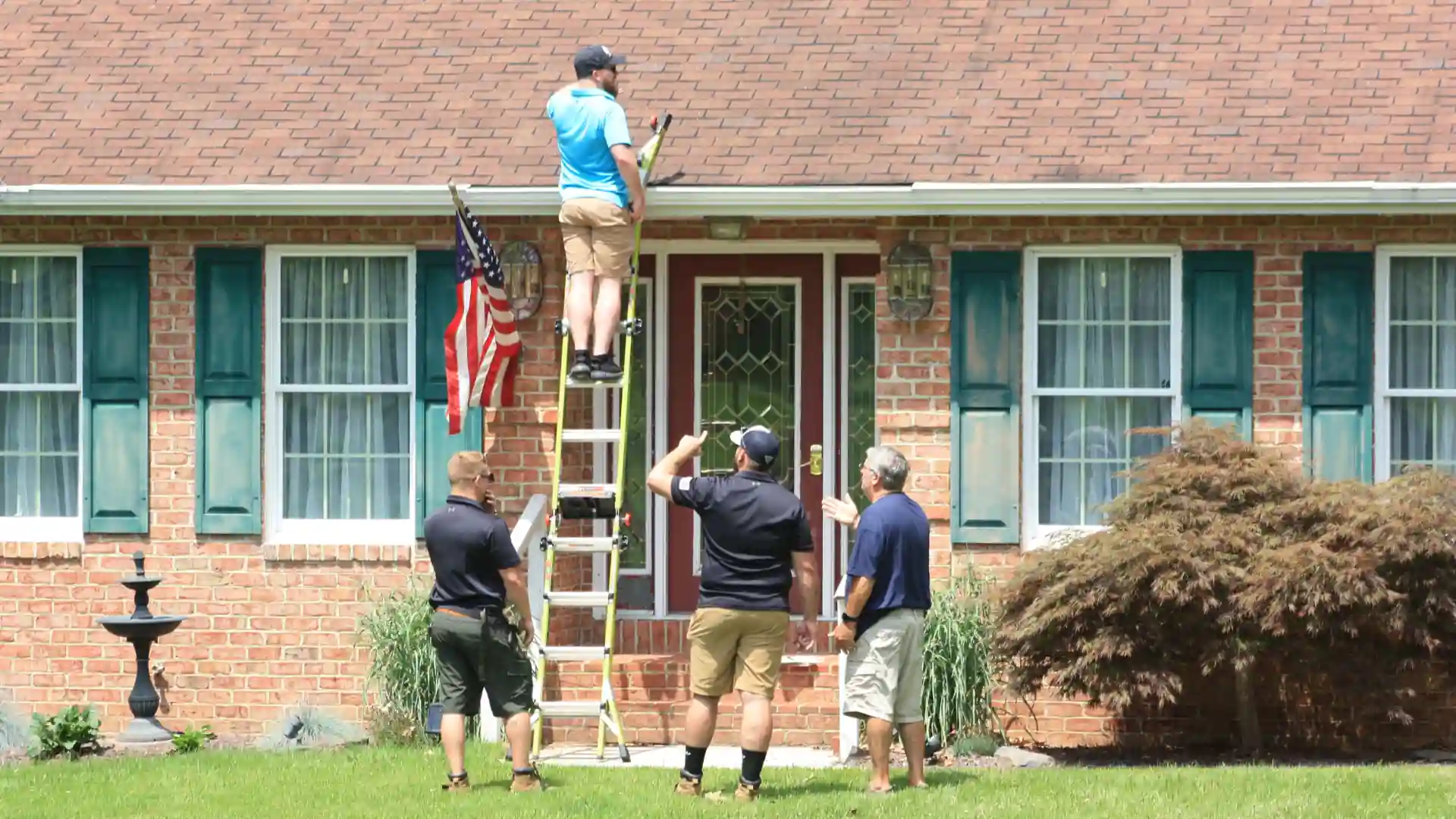
A residential inspection focuses on pitched roofs with asphalt shingles, metal, slate, or similar systems. The inspector checks shingles, flashing, chimneys, vents, gutters, and attic ventilation. They look for wind lift, hail impact, missing granules, loose nails, and signs of moisture inside the attic.
Best when you have stains on ceilings, see missing shingles, feel like the house is hotter than it should be, or after a heavy storm moves through. Pairing these inspections with seasonal care (such as the steps in this autumn roof maintenance guide) helps your roof last longer.
Commercial Roof Inspections
Purpose. Protect flat or low slope roofs on offices, warehouses, and multi family buildings.
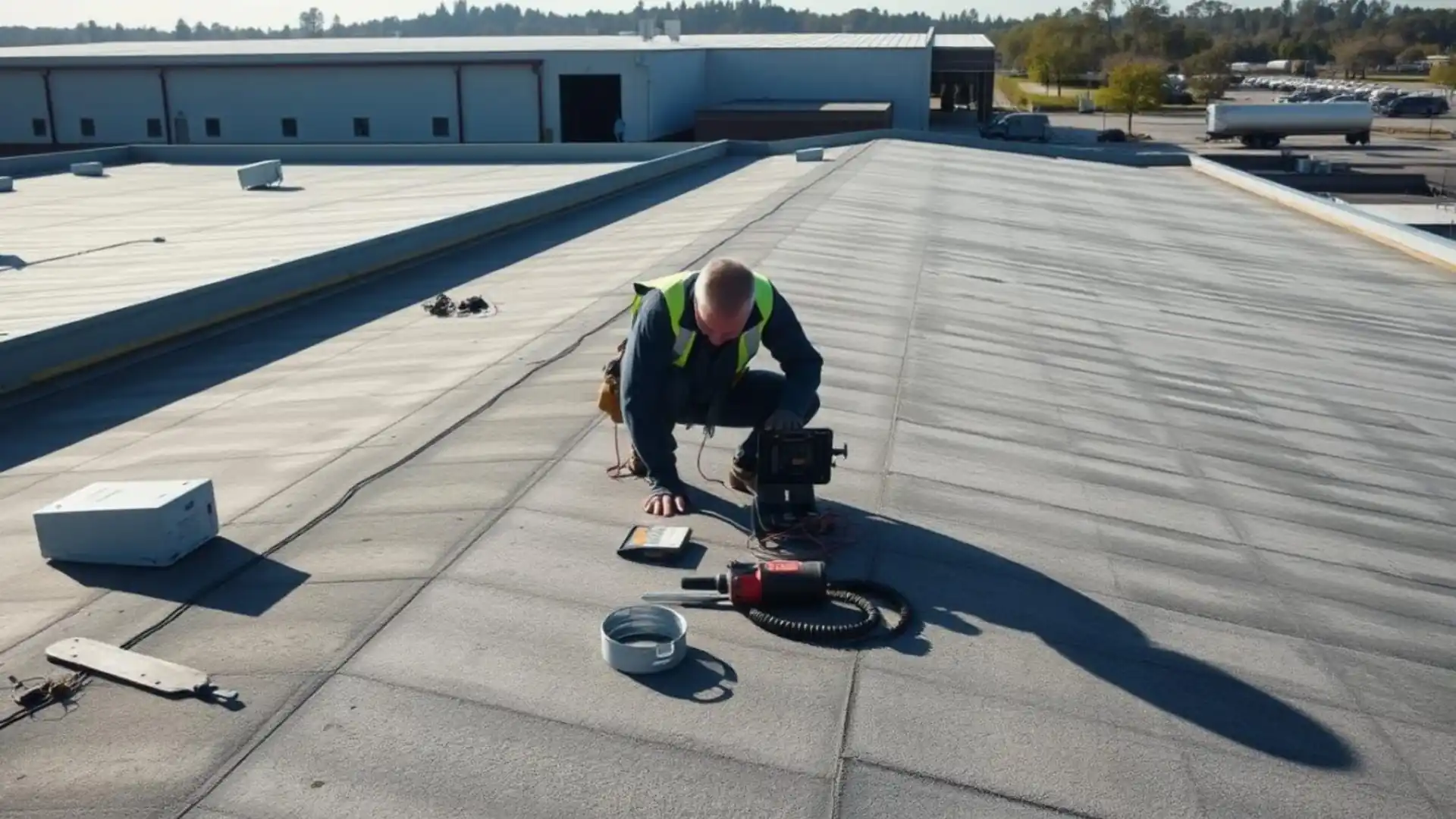
Commercial inspections focus on different materials and problems. The inspector checks membranes, seams, drains, rooftop units, parapet walls, and any ponding water. They look for punctures, loose seams, failed sealant, and damage from foot traffic or equipment.
Best when you manage a building with a flat roof, notice interior leaks, or need documentation for tenants or lenders.
Independent Roof Inspections
Purpose. Get a neutral opinion that is focused on accurate reporting, not selling a project.
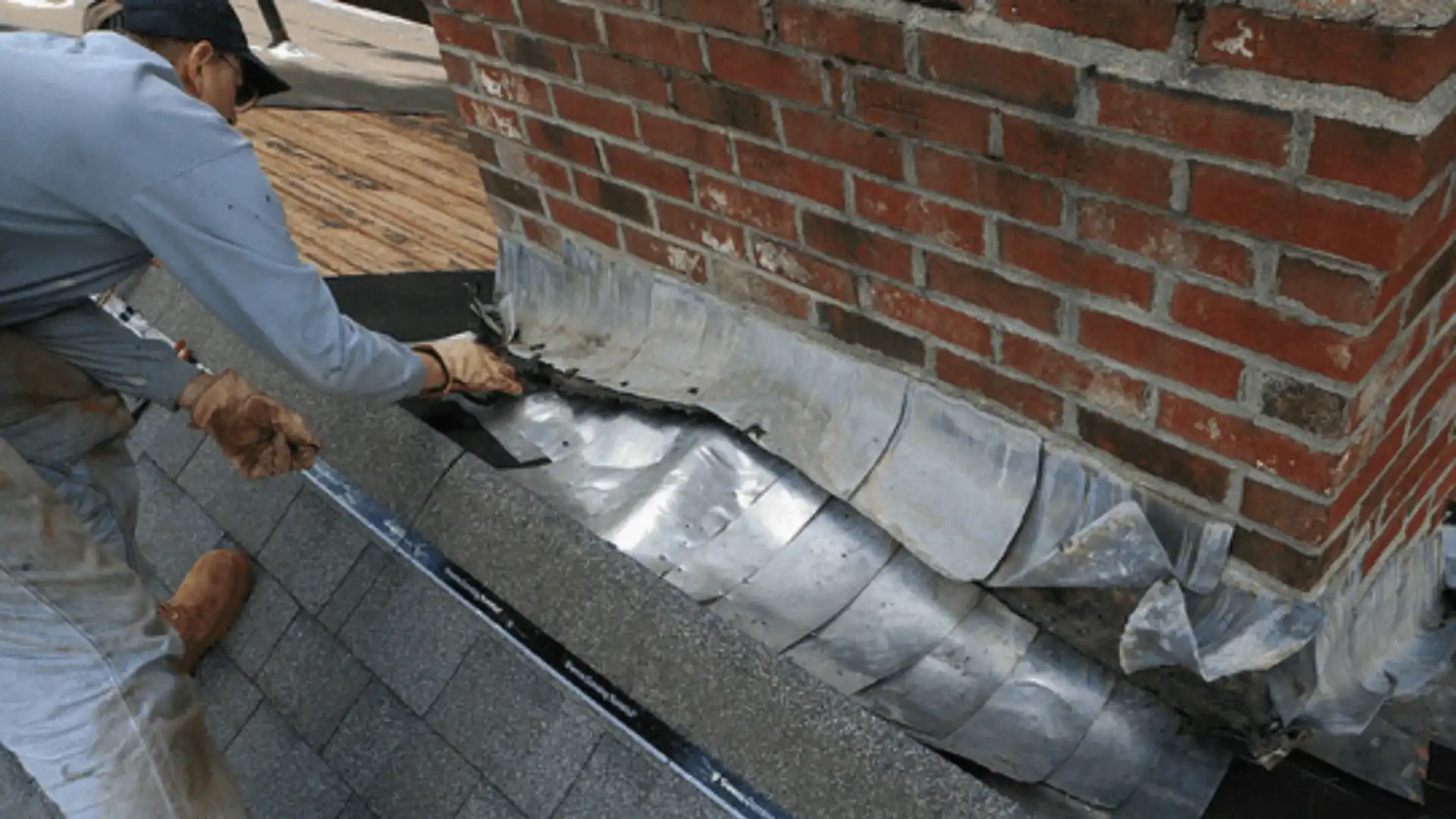
An independent inspector does not come in with a bid already in mind. Their job is to document what is there and what is damaged. This can be helpful for insurance claims, disputes about prior work, or when you want a second set of eyes before you commit to a repair or replacement.
Forensic Roof Inspections
Purpose. Figure out the “why” behind leaks, repeated repairs, or structural issues.
A forensic inspection goes deeper than a basic condition check. The inspector traces the source of leaks, separates storm damage from age related wear, and checks if earlier work met standards. This level of detail is useful when you are in an insurance dispute, facing ongoing problems, or worried about hidden structural issues.
Installation Roof Inspections
Purpose. Confirm that a new roof was put on correctly and matches warranty requirements.
During an installation inspection, the inspector checks key details such as underlayment, flashing, fastener patterns, ventilation, and how roof edges and penetrations were handled. For systems that offer strong warranties, such as certain architectural shingles, correct installation is what keeps that coverage valid.
Know what to ask for. When you call for a “roof inspection near me,” be clear about your goal. Are you worried about storm damage, planning a sale, checking a new install, or reviewing a commercial roof. The clearer you are, the easier it is for the inspector to bring the right skills, tools, and report style to your project.
What To Expect During A Professional Roof Inspection
When you schedule a “roof inspection near me,” you should know exactly what will happen on your property. A good inspector follows a clear process, stays safe, and leaves you with straightforward answers, not guesswork.
Step 1. Safety setup and exterior overview
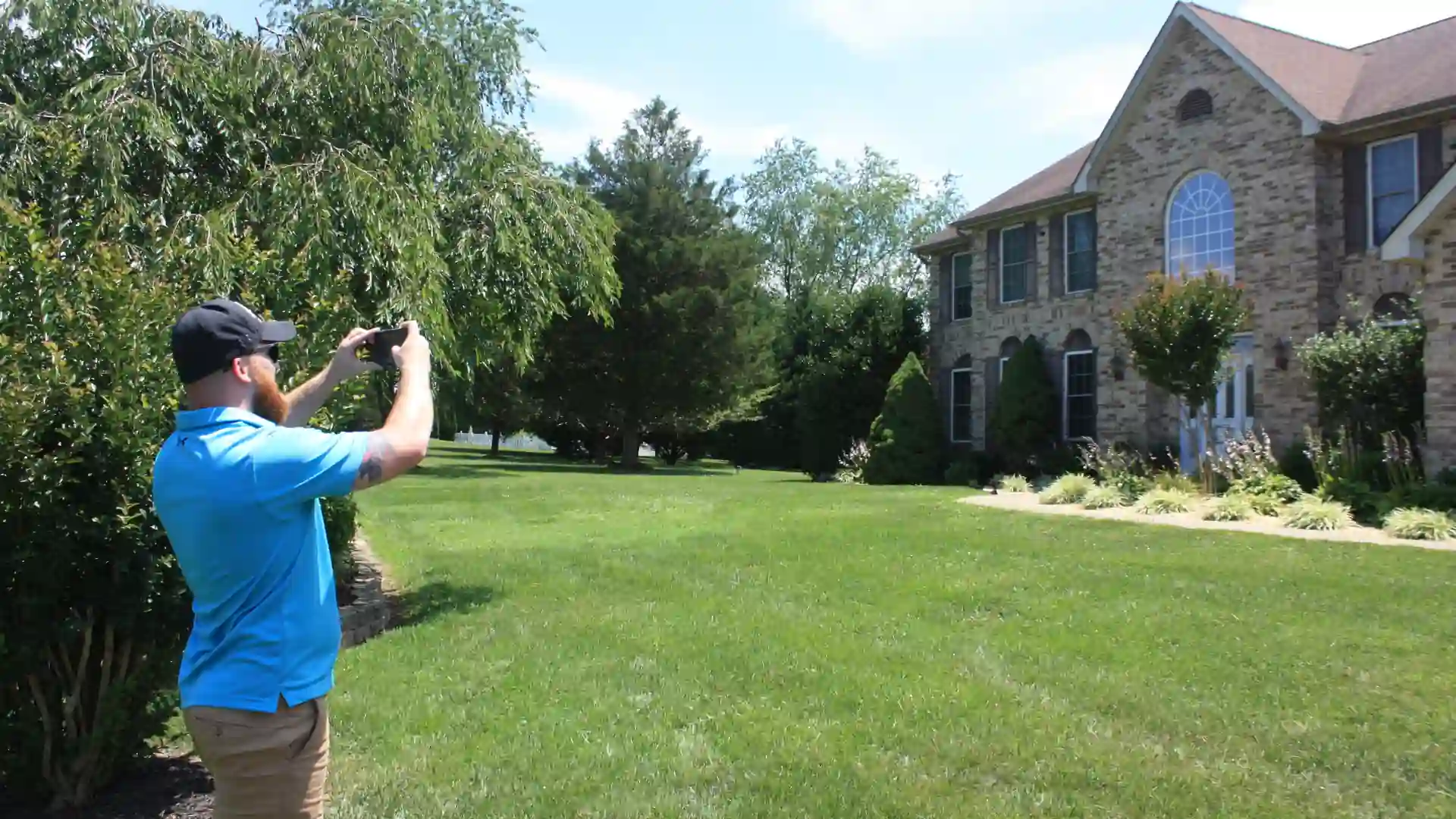
The visit usually starts on the ground. The inspector looks at your roofline, siding, fascia, and gutters from different angles. They check for sagging areas, loose shingles, damaged flashing, and water stains on exterior walls.
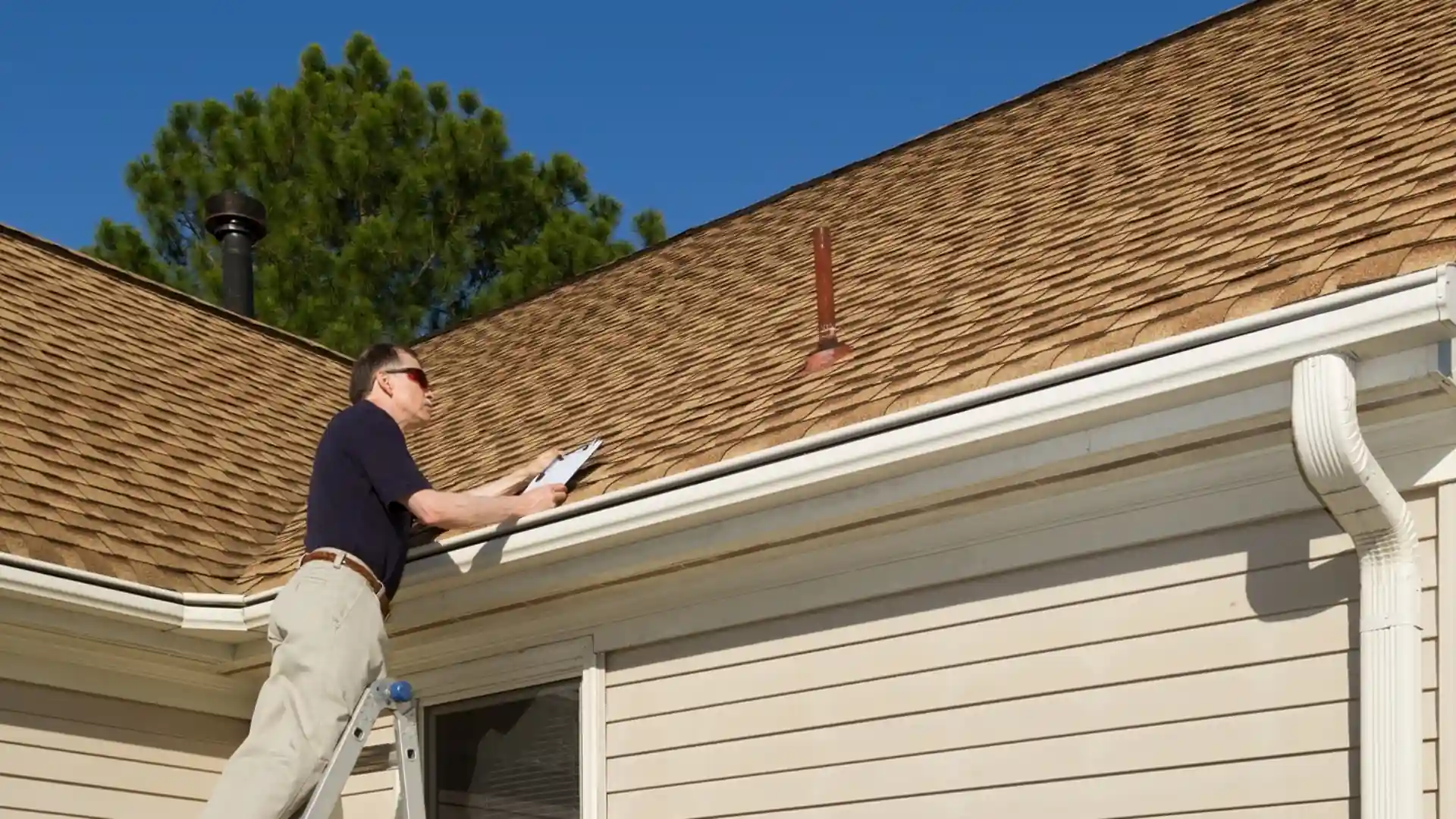
For a physical climb, they set ladders correctly, use proper footwear, and follow fall protection rules. You should not need to provide any safety gear.
Step 2. On roof inspection or drone inspection
On roof inspection. For many Mid Atlantic homes with asphalt or architectural shingles, the inspector will walk the roof carefully. They check for:
- Loose, missing, or cracked shingles
- Lifting at shingle edges or nail pops
- Soft spots that hint at damaged roof decking
- Wear and gaps around chimneys, skylights, and vents
Drone or virtual inspection. In some cases the inspector uses a drone. This is common on very steep, high, or fragile roofs. The drone captures detailed photos and video so the inspector can zoom in on hail hits, missing granules, or flashing problems without walking every section.
Step 3. Flashing, gutters, and water flow
The inspector spends time on areas where water tries to sneak in. That includes step flashing along walls, counter flashing at chimneys, pipe boots, valley metal, and drip edge. They also check gutters and downspouts for clogs, improper slope, and signs of overflow that can damage fascia or foundations. If you have ongoing gutter concerns, you can pair this visit with guidance from resources like this gutter protection guide.
Step 4. Attic and moisture check
From inside, the inspector looks at the attic or top floor ceilings. They check for:
- Dark stains or active drips
- Mold or mildew, especially around nails or decking seams
- Insulation that is wet, matted, or missing
- Proper attic ventilation and airflow
This is where roof issues connect with energy bills and indoor comfort. For deeper background, some homeowners review topics like how attic ventilation protects your roof before or after the inspection.
The role of certified roof inspectors
A certified inspector has formal training in how roofs fail, how storms affect different materials, and how to document problems. Titles such as HAAG certified or GAF Master Elite installer (for roofing contractors) signal that the person has taken extra steps to learn proper assessment and installation standards.
For you, that means fewer missed issues and cleaner documentation for insurance or warranty questions. You should expect clear photos, plain language notes, and direct next steps, so you can decide whether to repair, monitor, or plan for a future replacement.
How To Find And Choose A Certified Roof Inspector Near You
When you search “roof inspection near me,” you are not just looking for whoever can show up first. You are trusting someone to tell you whether your roof is sound, borderline, or putting your home at risk. A little homework up front saves you from pushy sales tactics and missed damage later.
Start With Certifications And Training
Look for clear proof that the inspector knows roofs and storm damage, not just sales. Strong signals include:
- Manufacturer credentials, such as GAF Master Elite installer, which means stricter vetting and access to stronger warranties.
- Inspection specific training, such as HAAG certified inspector, which means training in how to spot and document storm damage correctly.
- Licensing and insurance in your state, with coverage that protects you if someone gets hurt on site.
If you want a deeper breakdown of what these labels mean, guides like what roofing certifications really mean can help you sort out the alphabet soup.
Check For Independent And Transparent Inspections
You want clear facts first, then a plan. When you call, ask how they separate the inspection from the sales process. A trustworthy provider will:
- Explain whether the inspector is paid to inspect only, sell projects, or both.
- Offer written, photo based reports you can keep and share with insurance.
- Give repair or replacement options in plain language, not just “you need a full roof.”
Ask if they provide independent inspections for insurance or real estate when no work is approved yet. A “yes” here is a good sign that they know how to document and not just sell.
Confirm Local Service And Free Inspection Offers
In the Mid Atlantic, you want someone who actually works in Maryland, Virginia, West Virginia, or Pennsylvania day in and day out. Ask:
- Which counties they regularly serve.
- How quickly they can get to your home after a storm.
- Whether they offer a free roof inspection for storm checks or maintenance reviews, and what is included.
Have them spell out what “free” covers. For example, does it include attic checks, photos, and a written summary. Or is it just a quick look from the yard.
Key Questions To Ask Before You Say Yes
Use this short checklist on your first call or visit.
- Are your inspectors certified or factory trained. Which programs.
- Are you insured, and can you provide proof if I ask.
- Will I get a written report with photos, and can I use it for insurance.
- Do you work with storm damage and know how to coordinate with insurance adjusters.
- Do you offer both repair and replacement, or only full replacements.
- Can you explain what you see in simple terms, and walk the roof findings with me.
Red Flags That Should Make You Walk Away
Trust your gut. If any of this shows up, look for another “roof inspection near me” fast.
- High pressure “today only” offers or requests to sign paperwork before you see any findings.
- Refusal to show insurance or licensing when asked.
- No photos or written notes, only verbal claims of “major damage everywhere.”
- Unclear answers when you ask who will actually be on your roof.
- Reluctance to discuss repairs when a targeted fix could be possible.
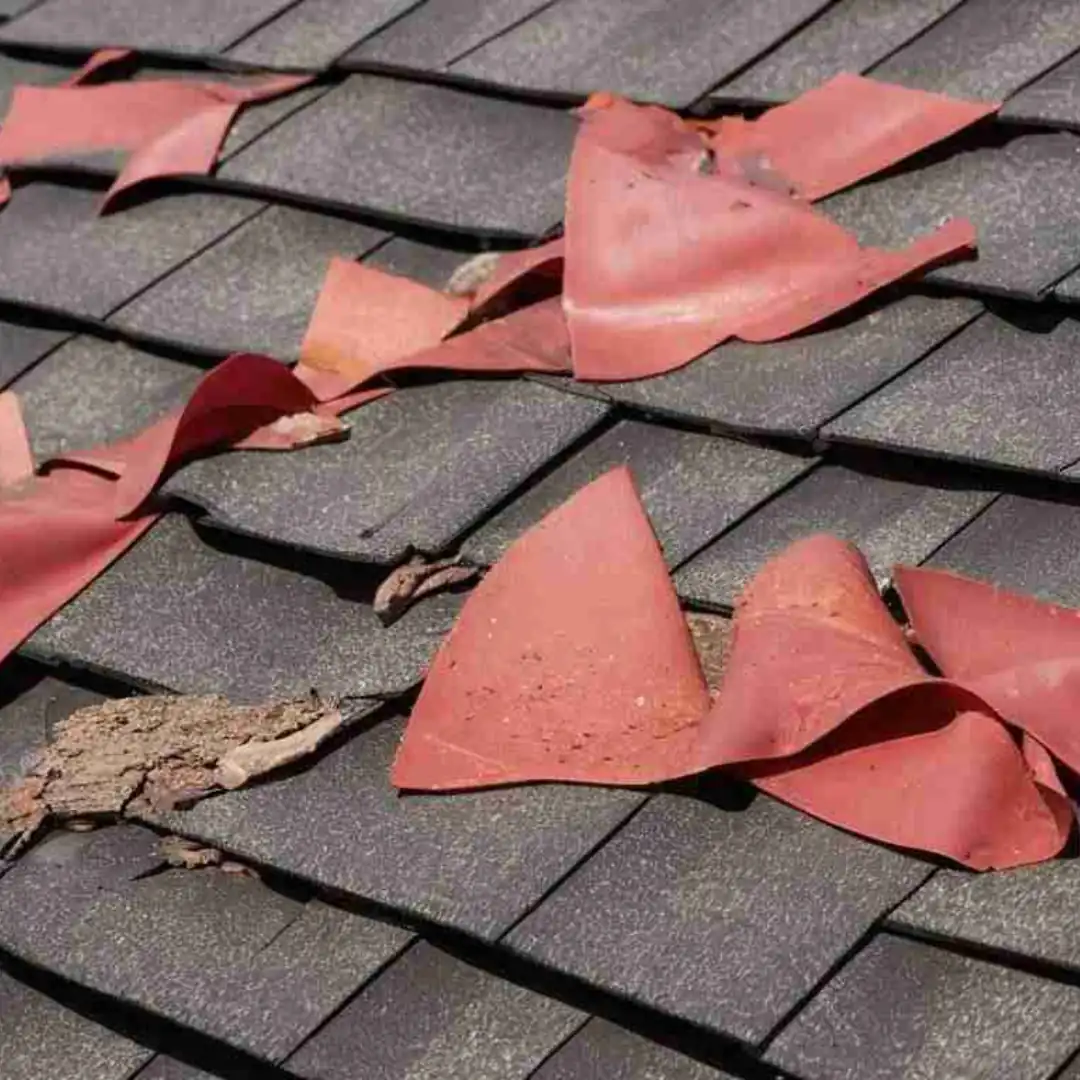
Bottom line. The right inspector will answer questions clearly, respect your budget, and give you a report you can act on. From there, your next step stays simple. Get a free inspection for storm or roof concerns, pick and install the right repair or roof, and rest easy knowing your family is protected overhead. If you want more help judging a contractor’s quality before the inspection, you can also review guidance like how to choose the right roofing contractor.
Understanding Roof Inspection Reports And Your Next Steps
Once the inspection is finished, the report is your roadmap. If it is clear and complete, you can move forward with confidence on repairs, replacement, or an insurance claim. If it is vague, you stay stuck in guesswork.
What A Professional Roof Inspection Report Should Include
A solid report is organized, visual, and written in plain language. You should expect:
- Basic property and roof info. Address, date, roof type, estimated age, and who performed the inspection.
- Photos and diagrams. Clear pictures of problem areas, wider shots that show where they sit on the roof, and sometimes a simple roof sketch. Each photo should have a short caption in normal terms.
- Condition summary by area. Notes on shingles, flashing, chimneys, skylights, gutters, and attic, with a simple rating such as serviceable, repair needed, or monitor.
- Moisture and structural notes. Any signs of leaks, soft decking, sagging, or attic ventilation issues.
- Recommended repairs or maintenance. Specific items, not just “fix roof.” For instance, replace damaged shingles at [location], re seal flashing at [location], clean and re pitch gutters on [side].
- Estimated remaining life. A realistic opinion based on wear patterns and local Mid Atlantic weather, so you know whether to plan for a future replacement.
- Cost ranges or next step guidance. Some inspectors include pricing ranges. Others advise you to get written proposals from qualified contractors.
- Warranty and certification notes. If your roof or materials carry a manufacturer warranty, the report may flag items that affect coverage, such as improper installation or missing components.
If you want more background before reading your report, resources such as this guide on common signs of roof damage can help the findings make sense.
How Your Report Helps With Insurance And Claims
For storm damage, your report becomes a key document for insurance. A good inspector will:
- Mark storm related damage separately from normal wear.
- Use clear, zoomed in photos that show hail hits, wind creasing, or missing shingles.
- Note the date of inspection and reference the recent weather event if known.
- Outline what must be repaired or replaced to return the roof to its prior condition.
This structure lines up with how adjusters review claims. It helps avoid debates about what is new damage and what is age. If you need deeper help with the claim side, you can review guidance such as this overview of storm damage restoration and insurance.
Using The Report For Preventive Maintenance
Your roof report is not only for big emergencies. It also tells you what small items to handle now so they do not turn into leaks later. Use it to:
- Create a short repair list for a roofer.
- Set reminders for seasonal checks on areas labeled “monitor.”
- Plan attic, ventilation, or gutter upgrades that can stretch roof life.
Many Mid Atlantic homeowners use their latest report alongside a seasonal checklist or maintenance guide to keep minor issues under control between storms.
Deciding On Repair, Replacement, Or Watchful Waiting
Once you read the findings, you will usually have three paths.
- Repair now. Best when the roof still has good life left, but there are clear trouble spots. Think missing shingles, small flashing issues, or localized decking damage.
- Full replacement. Makes sense when damage is widespread, repairs would be frequent, or the roof is near the end of its useful life. Your report should explain why replacement is recommended, not just state it.
- Monitor and maintain. If everything is generally sound, you can schedule routine checks and basic upkeep, then budget ahead for a future replacement.
The key. A good roof inspection report does not leave you guessing. It shows what is wrong, why it matters, and what to do next. From there, your plan stays simple. Get a free inspection for storm or roof concerns, pick and install the right repair or replacement based on the report, and rest easy knowing your family is protected overhead.
Benefits Of Free Roof Inspections And How To Access Them Locally
Free roof inspections are more common now in the Mid Atlantic, and when you use them wisely, they can save real money and stress. The key is to know what you are getting, when to ask for one, and how to avoid offers that are only about high pressure sales.
Why Free Roof Inspections Matter, Especially After Storms
After wind, hail, or heavy snow, small issues can sit on your roof where you cannot see them. A no cost inspection lets a trained eye check for lifted shingles, missing granules, cracked flashing, and early leaks before they spread. That helps you:
- Catch hidden storm damage that might qualify for an insurance claim.
- Plan repairs instead of waiting for stains on your ceilings or mold in the attic.
- Understand your roof’s health so you can budget ahead instead of being surprised.
Many homeowners pair these free checks with simple maintenance habits and resources like this guide on preventing expensive roof repairs with regular inspections. That combination helps roofs last longer in our weather.
Common Conditions On “Free” Inspection Offers
Most roofing companies offer free inspections with a few clear boundaries. You might see:
- Storm focused inspections, where the visit is geared to recent wind or hail.
- Residential only offers, with commercial roofs priced separately.
- Service area limits, such as specific counties in Maryland, Virginia, West Virginia, or Pennsylvania.
Always ask what the free inspection covers. Clarify whether it includes attic checks, photos, and a written summary, or if it is only a quick visual look from the ground.
How To Verify A No Cost Inspection Is Legitimate
Before you say yes, run through this quick checklist.
- Confirm that the company is licensed and insured in your state.
- Ask whether the inspector has credentials such as HAAG training or GAF manufacturer certification.
- Get a clear answer on what happens after the inspection, including whether you will receive photos and written findings.
- Watch for aggressive “sign now” tactics or pressure to file a claim before you see any documentation.
If anything feels off or rushed, you can always step back and contact another local provider. Your roof and your insurance record are too important to hand over to guesswork.
Simple Steps To Schedule A Free Inspection Near You
Use this three step plan to get a no cost inspection on the books.
Search locally
Look for “roof inspection near me” along with your town or county. Prioritize companies that clearly serve Mid Atlantic homes and talk about storm inspections and maintenance, not just full replacements.
Make a short screening call
Ask about certifications, what their free inspection includes, and how they handle photos and reports. You can compare what you hear with resources such as this overview of what roofers look for after storms.
Book a specific time
Pick a day and window when you can be home, so the inspector can walk you through findings on the spot and point out any active leaks or urgent safety issues.
The goal is simple. Use free inspections as a smart first step. Get a free inspection for storm or roof concerns, pick and install the right repair or roof plan based on clear findings, then rest easy knowing your family is safe and dry under a roof you understand.
Conclusion And Your Next Steps
Your roof protects everything you care about inside your home. In the Mid Atlantic, with wind, hail, heat, snow, and ice working on it month after month, waiting until you see a ceiling stain is a risky plan.
Regular, professional roof inspections keep you ahead of problems. They help you:
- Protect your home’s value by catching leaks and structural issues before they spread.
- Stretch the life of your roof with smart repairs and basic maintenance instead of early replacement.
- Navigate insurance with clear documentation when storms move through Maryland, Virginia, West Virginia, or Pennsylvania.
When you work with a certified inspector who knows Mid Atlantic roofs, you get more than a quick look. You get trained eyes on shingles, flashing, gutters, and attic conditions, along with a written report you can actually understand. If you want to read more about how professional work pays off before you schedule, this guide on why professional roofers are worth the investment is a helpful next read.
Do not wait for the next storm to test your roof.
Use the simple three step path you have seen throughout this guide.
Get a free inspection for storm or roof concerns. Search “roof inspection near me,” then choose a certified local provider that offers clear reports, not pressure.
Pick and install your roof or repair plan based on the findings. That might mean targeted repairs, upgraded materials, or planning ahead for a full replacement. If you are weighing materials or long term value, resources such as this overview of choosing the best roofing materials for longevity can help.
Rest easy knowing your family is safe and secure under a roof that has been checked, documented, and properly maintained.
You do not need to climb a ladder or guess from the driveway. A qualified “roof inspection near me” service can give you straight answers about your roof’s condition in a single visit. Start with a free inspection, ask every question you have, and use the report to protect your home for the long run.


