

What Is The Fortified Home Difference?
A proven standard to make your home stronger against wind, hail, and severe weather.
Fortified: Built for WeatherDesigned for Security
Contact Us
A FORTIFIED Evaluator is an independent, third-party pro trained to verify the program’s requirements. We will coordinate with your chosen evaluator—along with our roofing team and IBHS—so everything stays on track. We do have evaluators we work with often, but you’re always free to pick the one you want.
Build or Reroof to the FORTIFIED Standard
Once you’ve selected your contractor and evaluator, we get to work. We follow the FORTIFIED standard and add the required upgrades for your area—going beyond typical code—so your home is better prepared for severe weather. These upgrades are based on IBHS research, and we coordinate with your evaluator throughout the project to keep everything on track.
Your FORTIFIED Designation
After we finish the work, the FORTIFIED Evaluator verifies everything. They document key details—photos, labels, and installation steps—and submit the package to IBHS. Once IBHS confirms the standard is met, you receive your official FORTIFIED designation. We’ll walk you through the paperwork, share maintenance tips, and help you talk with your insurance agent about potential discounts so you’re ready for the next storm.
Contact Us
A FORTIFIED Evaluator is an independent, third-party pro trained to verify the program’s requirements. We will coordinate with your chosen evaluator—along with our roofing team and IBHS—so everything stays on track. We do have evaluators we work with often, but you’re always free to pick the one you want.
Build or Reroof to the FORTIFIED Standard
Once you’ve selected your contractor and evaluator, we get to work. We follow the FORTIFIED standard and add the required upgrades for your area—going beyond typical code—so your home is better prepared for severe weather. These upgrades are based on IBHS research, and we coordinate with your evaluator throughout the project to keep everything on track.
Your FORTIFIED Designation
After we finish the work, the FORTIFIED Evaluator verifies everything. They document key details—photos, labels, and installation steps—and submit the package to IBHS. Once IBHS confirms the standard is met, you receive your official FORTIFIED designation. We’ll walk you through the paperwork, share maintenance tips, and help you talk with your insurance agent about potential discounts so you’re ready for the next storm.

Fortified Roof
When severe weather strikes, FORTIFIED Roof keeps the roof on and the rain out. Stronger connections to hold the roof to the house.
Fortified Silver
FORTIFIED Silver includes all the protection of FORTIFIED Roof and adds additional protection to vulnerable and often overlooked components.
Fortified Gold
For ultimate protection choose FORTIFIED Gold. It includes all the protection of FORTIFIED Roof and Silver and requires that your home’s entire structure to be tied together.
FORTIFIED Roof
FORTIFIED Silver
FORTIFIED Gold
STRONGER EDGES
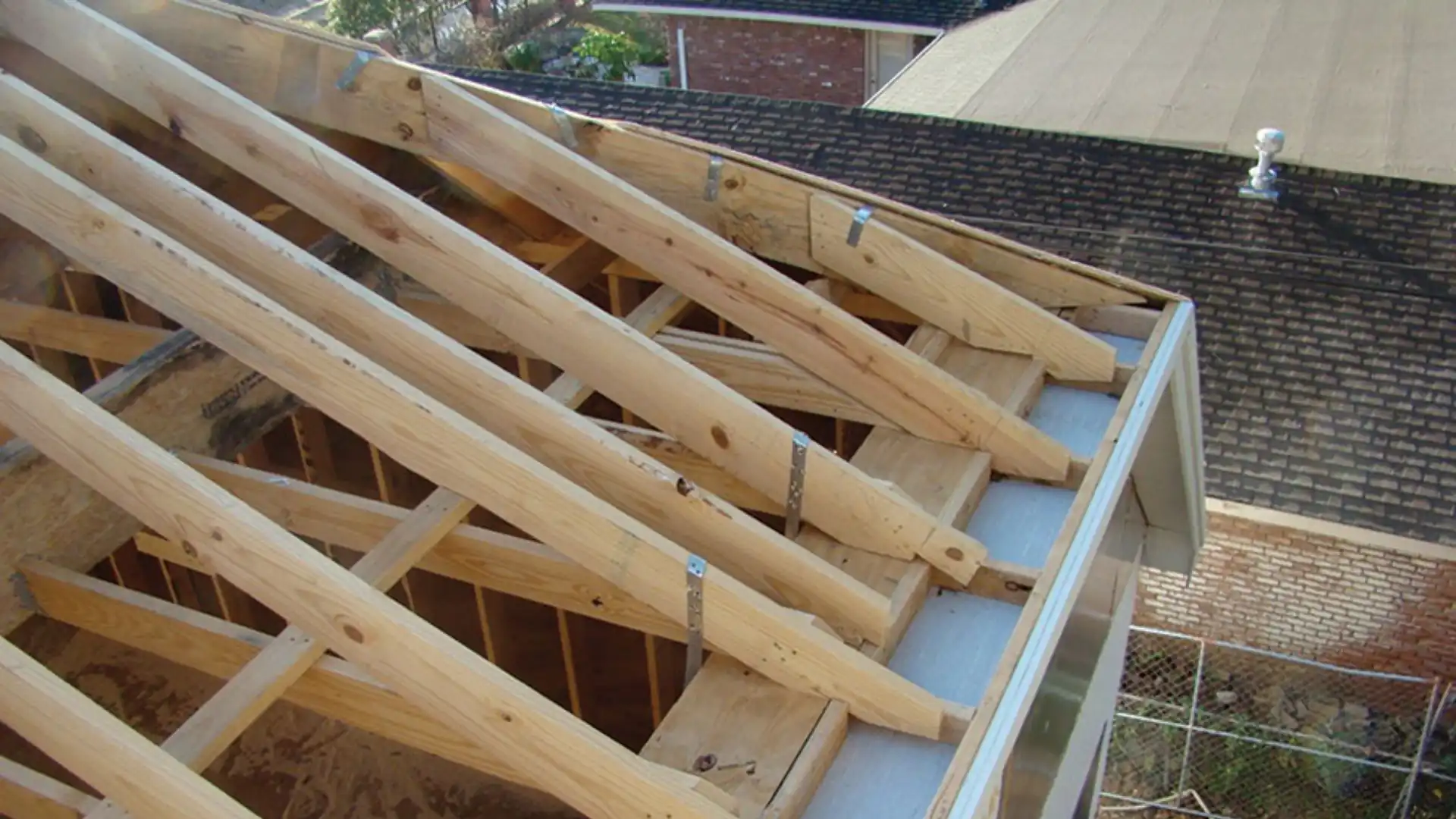
Roof damage often begins when wind gets underneath the roof edge and begins ripping it away from the home. To help protect this vulnerable area, FORTIFIED requires specific materials and installation methods, including a wider drip edge and a fully adhered starter strip, that when used together create a stronger system.
SEALED ROOF DECK
If wind rips off your roof covering―such as shingles, metal panels or tiles―it exposes the wood beneath and allows water to pass through the gaps and enter your home. FORTIFIED requires roof decks to be sealed to prevent this type of water damage.
BETTER ATTACHMENT
Instead of common smooth nails, FORTIFIED requires ring-shank nails, installed in an enhanced pattern, to help keep the roof deck attached to your home in high winds. In fact, using ring-shank nails nearly doubles the strength of your roof against the forces of winds.
>> IMPACT-RESISTANT SHINGLES
In hail-prone areas, homeowners are encouraged to opt for the Hail Supplement to their FORTIFIED designation. To achieve this added level of protection, shingles must score Good or Excellent on the IBHS Hail Impact Ratings. These outperform typical Class 4 shingles when tested against realistic hailstones and will better protect your home from hail up to 2” in diameter.
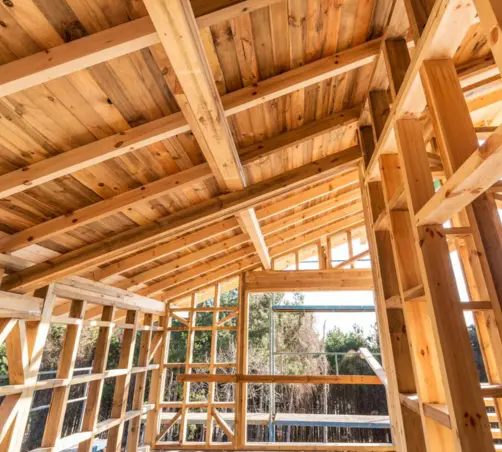
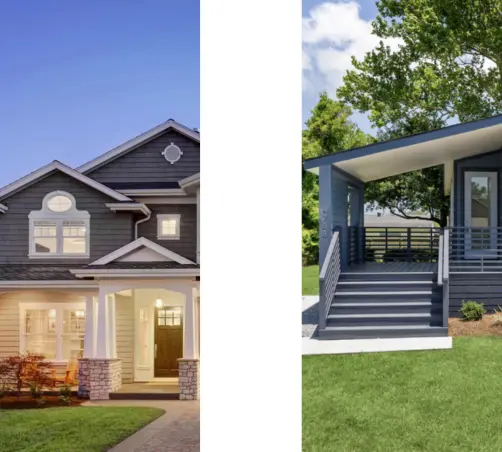
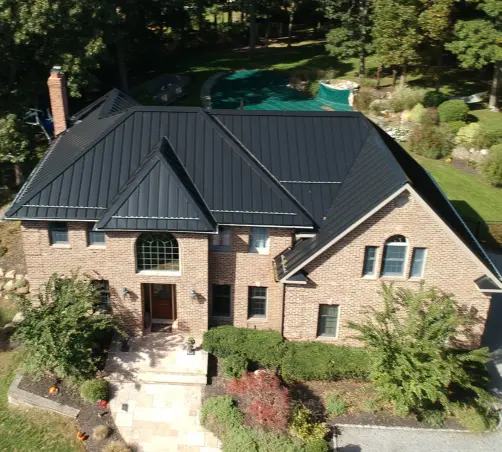
Your roof is your home’s first defense against storms and severe weather. When it fails, water damage can spread quickly inside your home. That’s why every FORTIFIED Home includes three proven steps to strengthen your roof and protect your property from costly storm damage.
FORTIFIED ROOF
When protecting against severe weather, your roof is your home’s first line of defense. It’s also the most vulnerable. FORTIFIED Silver includes all the requirements of FORTIFIED Roof – including enhanced nailing, a sealed roof deck and locked down edges – to give your home its best chance of weathering a storm.
BRACED FOR A STORM
Post-disaster studies show that typical construction often leaves gable-ends, chimneys and attached structures insufficiently anchored. As a result, storms can leave large holes in your house or even cause a portion of your home to collapse. FORTIFIED Silver prevents this by requiring strong anchors and additional bracing to reinforce these areas.
STRONGER GARAGE DOORS
Keeping winds and pressure from entering your home is critical for its survival in a storm. Both can easily come through a failed garage door, and once this happens, it’s common to see blown-out walls and collapsed roofs. FORTIFIED prevents this scenario by requiring garage doors rated to withstand high pressures.
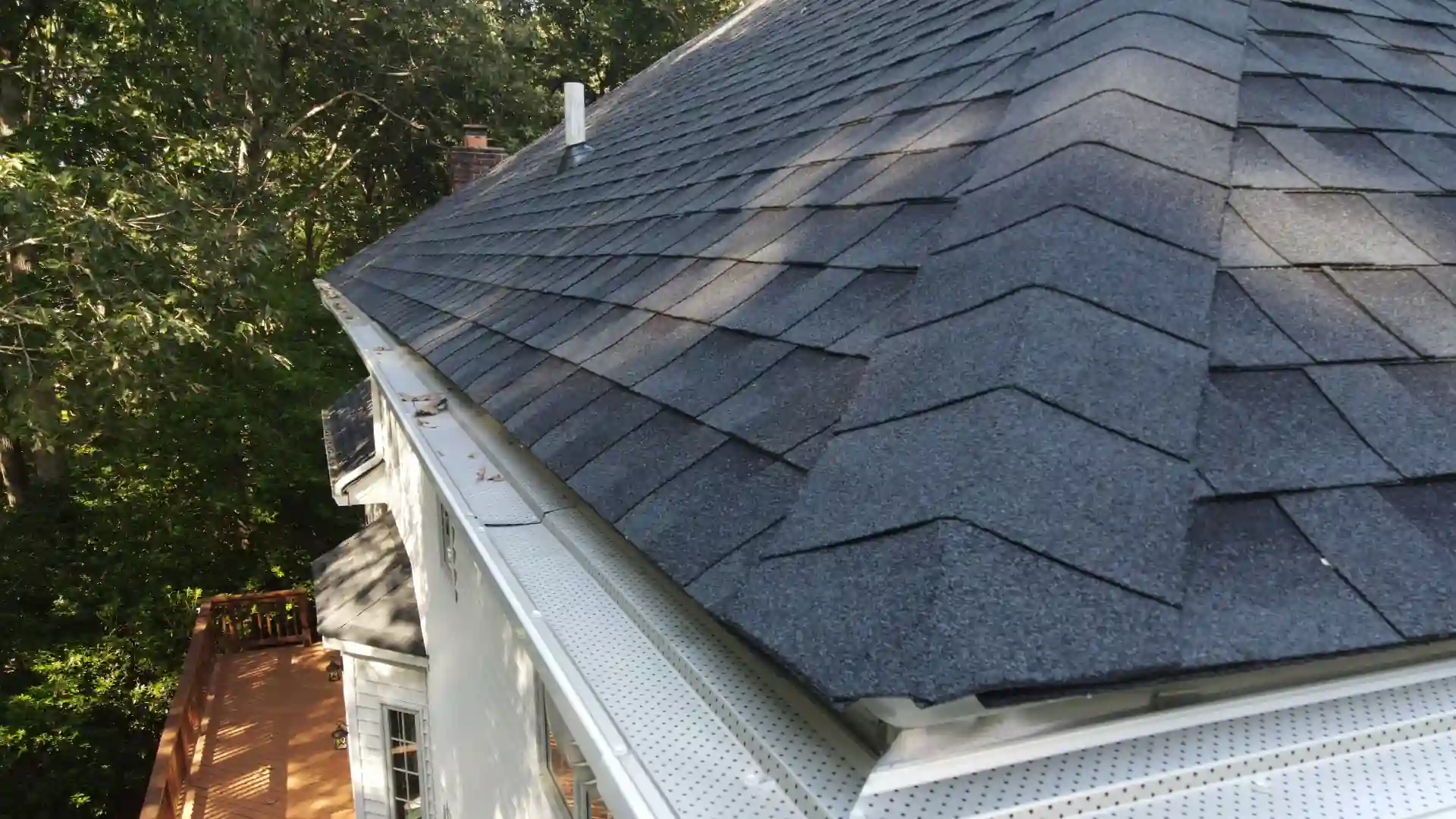
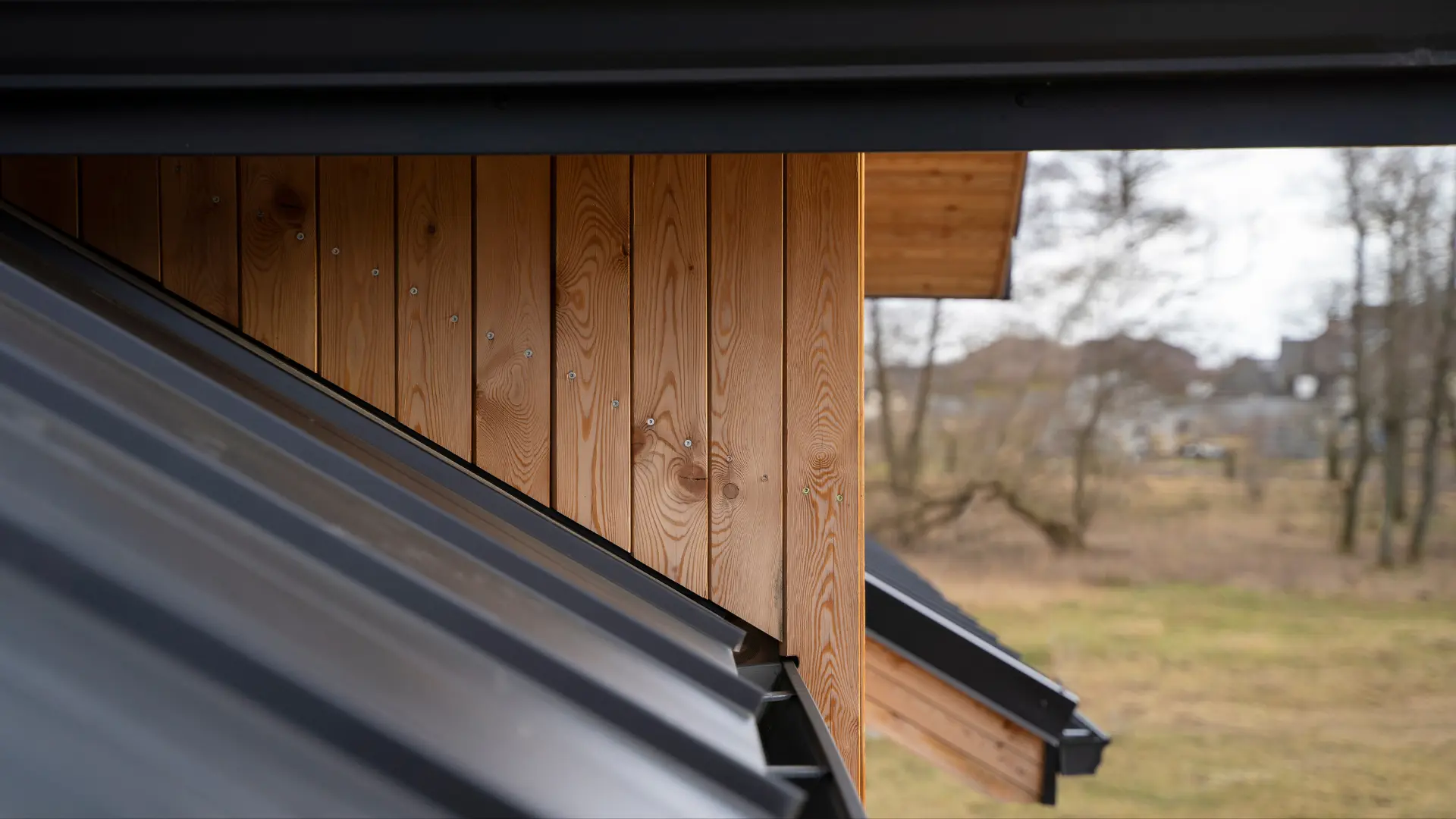
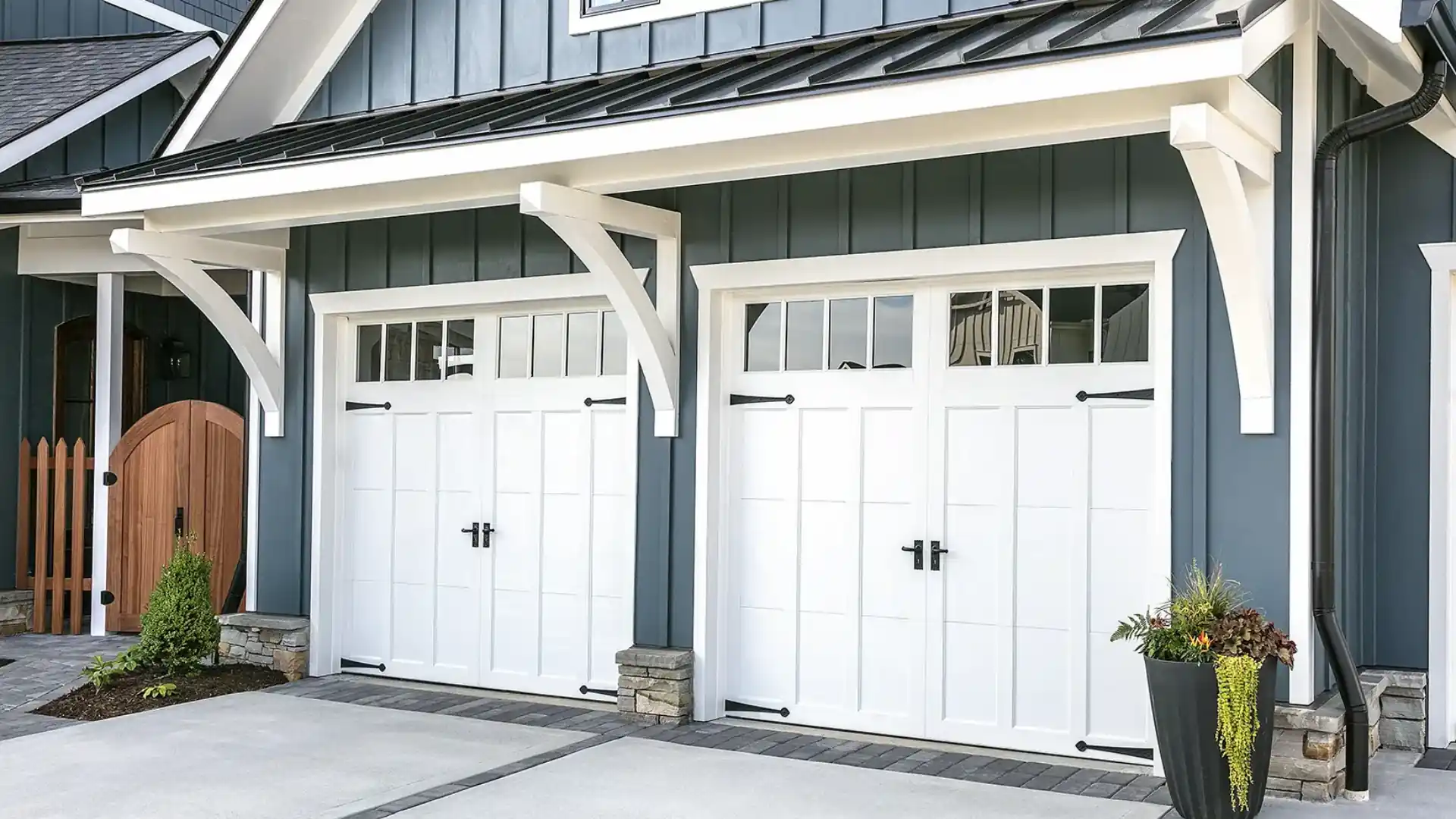
FORTIFIED Silver builds on a stronger, storm-ready roof by adding extra protection to your home’s most vulnerable areas, including doors, windows, and walls. Learn how FORTIFIED Silver compares to other levels of home resilience.
FORTIFIED ROOF
When protecting against severe weather, your roof is the first line of defense. It’s also the most vulnerable. FORTIFIED Gold includes all the requirements of FORTIFIED Roof – including enhanced nailing, a sealed roof deck and locked down edges – to give your home its best chance of weathering a storm.
BRACED FOR A STORM
Post-disaster studies show that typical construction often leaves key elements of a home vulnerable to the powerful winds and pressure that come with a storm. FORTIFIED Gold also includes all the next-level protection provided by FORTIFIED Silver. Things like stronger garage doors, anchored carports and porches, and reinforced chimneys and gable-ends will help keep your home intact during severe weather events.
STRENGTH BY DESIGN
In most areas of the country, typical construction relies on gravity—and the weight of your home—to keep it in one piece when high winds threaten. Sadly, storm after storm, we see proof this is not enough. FORTIFIED Gold requires an engineered continuous load path, which is a specific plan that specifies how your roof should be fixed to your walls, and how the walls should be anchored to the foundation. Creating a singular, solid structure is the key to FORTIFIED’s system for maximum protection.
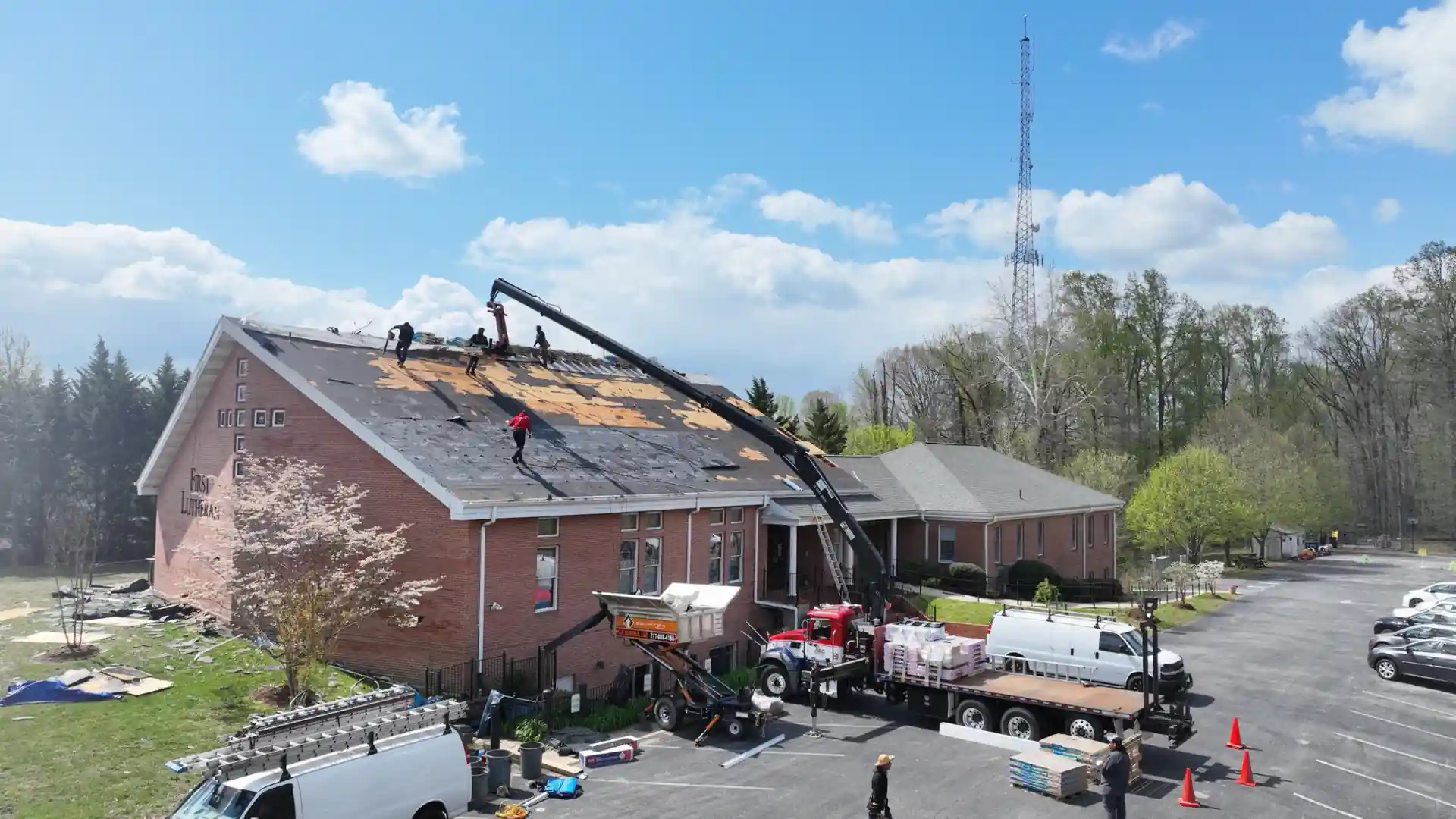
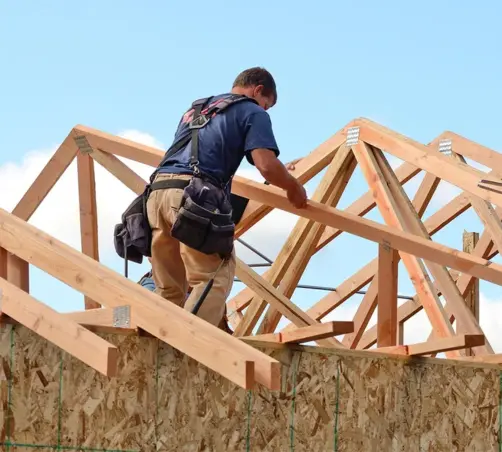
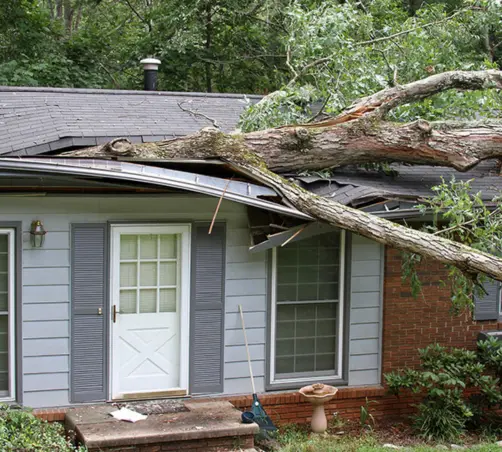
For the highest level of storm protection, FORTIFIED Gold strengthens your entire home—providing superior defense against hurricanes, tornadoes, and other severe weather events.
WhyFortified HomeMatters For You
Lower risk of damage

Insurance savings

Higher home value & resale

Peace of mind in storms

Fortified Solutions
Whether you’re starting new construction or replacing a worn roof, we’ll help you choose the right FORTIFIED upgrade. It adds strength and prepares your home for the wind, rain, and hail our area gets.
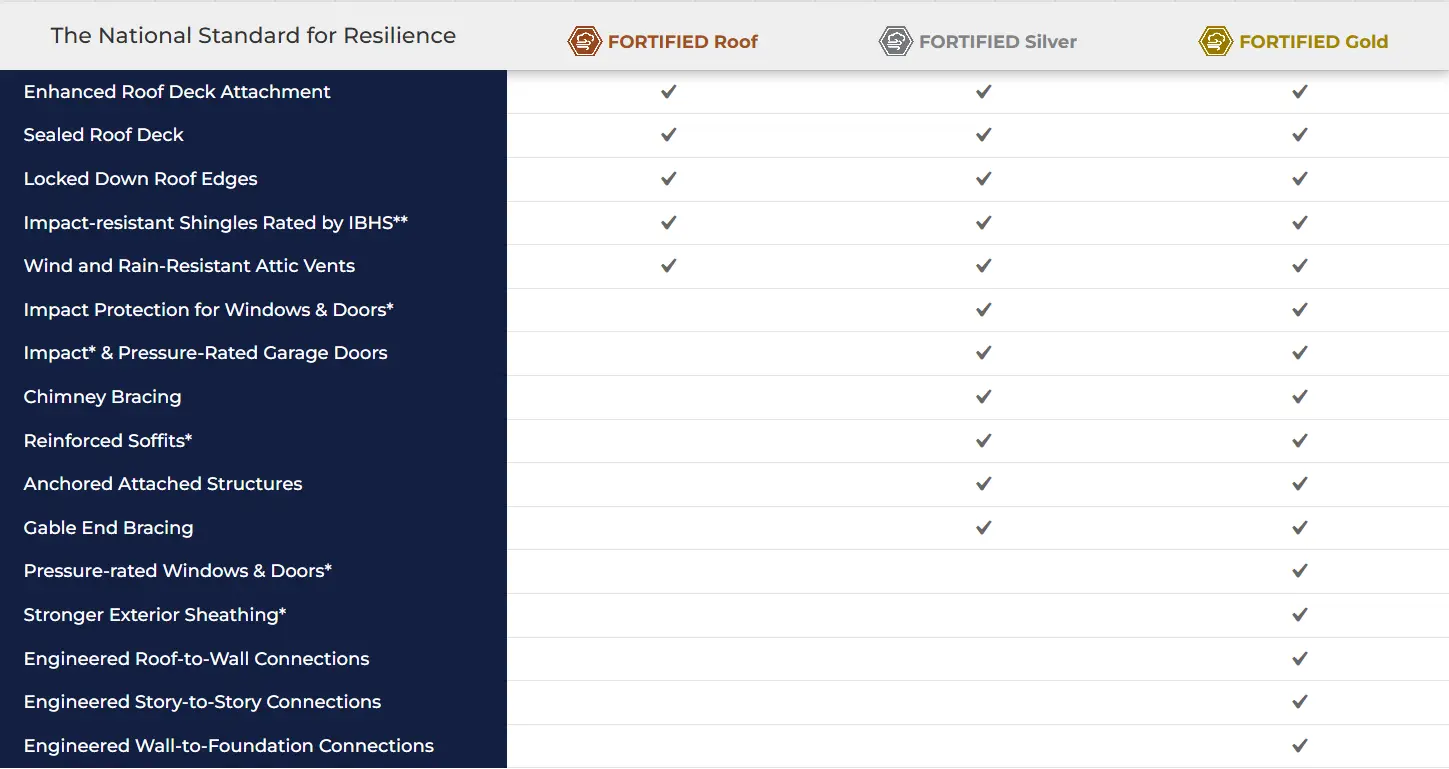
Building new or upgrading your roof? FORTIFIED has a solution to make your home more resilient and better prepared for severe weather.
Is Your Home a Candidate for FORTIFIED?
Not every home needs to start from scratch to gain the benefits of FORTIFIED. Whether you’re re-roofing, remodeling, or planning new construction, there’s often a path to make your home stronger. Here are some common factors to consider:
- Age of your roof – If your roof is nearing the end of its life or has already sustained damage, it’s the perfect time to upgrade with FORTIFIED standards.
- Your location – Homes in areas prone to hurricanes, high winds, or hail are strong candidates for FORTIFIED protection.
- Type of construction – Both existing homes and new builds can qualify, with tailored upgrades available for each.
- Your goals – Whether you want added safety, potential insurance savings, or increased resale value, FORTIFIED can help.


The FORTIFIED Program at a Glance
FORTIFIED is a voluntary construction and re-roofing program designed to strengthen homes and commercial buildings against severe weather such as high winds, hail, hurricanes, and even tornadoes.
Free access to the resilient construction standard, which is based on decades of scientific research by the Insurance Institute for Business & Home Safety.
A network of contractors trained to provide the right upgrades to protect your home from the type of severe weather events it faces each year
Third-party verification that the upgraded construction materials and installation methods used on your home meet the standards required for a FORTIFIED designation certificate.
Resources
Traditional Building Codes leave your home vulnerable
Local building codes set the baseline for safety. We always install your roof to meet your local code. Still, your home can be stronger. When you choose FORTIFIED, you get extra protection that goes beyond even the strictest code.
FREQUENTLY ASKED QUESTIONS
How do I know if it’s time to replace the roof on my building?
If you’re getting frequent leak reports, seeing standing water on flat roofs, or noticing signs of wear like cracked flashing or missing shingles, it’s time for a closer look. A professional inspection will identify if repairs can extend the life of the roof—or if a full replacement makes more financial sense long-term.
What kind of roofing system is best for my property?
It depends on your building type, roof slope, budget, and exposure to elements like grease, foot traffic, or extreme temperatures.
-
TPO is energy efficient and durable for most flat commercial roofs.
-
EPDM offers great flexibility and long-term performance, especially on large flat roofs.
-
PVC is ideal for properties exposed to chemicals or grease, like restaurants or industrial buildings.
We’ll walk you through each option and help you choose what fits best.
How long does a commercial roof last?
With proper installation and materials, commercial roofs typically last:
-
TPO & PVC: 20–30 years
-
EPDM: 25–30 years
-
Asphalt Shingles (steep-slope): 20–25 years
Lifespan also depends on the roof’s exposure, drainage, and ongoing care.
Do I need to shut down my building during roof work?
In most cases, no. We work in a way that minimizes disruption to tenants, customers, or daily operations. We’ll plan staging, access points, and timelines that work with your building’s use—whether it’s a retail store, apartment complex, or office space.
Can you work with insurance if the roof was storm damaged?
Because we’re certified with top-tier manufacturers like GAF, we offer some of the best warranties in the industry—ranging from 20-year system warranties to no-dollar-limit (NDL) options on select systems. We’ll go over what’s available based on your chosen material and system.
What does a “free inspection” include?
 Priddy Roofing And Exteriors
8175 Wheatley Rd, La Plata
-
We live in Pittsburgh (near Freeport) PA and experienced a severe hail storm which left us with quite a bit of damage. We had lots of roofing companies knocking on our door, but we feel SO FORTUNATE TO HAVE SELECTED PRIDDY ROOFING to … More handle the job. They are very experienced and knowledgeable and made our lives a WHOLE lot easier than we ever imagined. They handled EVERYTHING, from identifying our damage to dealing with the insurance company to coordinating all of the work that needed done! They were like our GC for all the damage we experienced. NOT JUST A ROOFER!!!
Justin and Brad put together an amazing team to handle all of our damage (from roof, gutters, and windows, etc). Wow! The communication and attention they provided us throughout the process was spot on. EVERYONE who came to work on our house were beyond professionals! This kind of work ethic is hard to find these days. They made it so smooth. The best construction clean up we have experienced, like it was their own house. Thanks for a job beyond WELL done! Would recommend you guys to anyone! -
experiences people and they did a great job we are very pleased and recommend highly
-
We had a tree fall on our a roof, and Colton Lambert did an absolutely amazing job at fixing it!!!! You can’t even tell where the tree fell!! I 10000% recommend Colton Lambert for your roofing needs!!!! Thanks Colt!
-
Good guys did a good job!
-
I need my roof inspected for my homeowner insurance.
I called yesterday- got my inspection today!
Fast service and nice people. -
I used Priddy in Frederick to work on my behalf with my insurance company to get them to cover the cost of siding and roof replacement on my house after a hail storm last year. They were great to work with: responsive, considerate, and … More relentless until the job was done and covered! Would definitely recommend.
-
-
We were so blessed when this company knocked on our door after a hail storm. I cannot recommend them enough! The customer service, the professionalism and the friendly staff/owners are so knowledgeable that we ended up with an entirely … More new quality roof! They are licensed in 3+ states which says a lot and they make you very like a priority. Thank you Tony and everyone for such a magnificent job and I hope more customers find you through this review and experience the Priddy Roofing and Exteriors care.
-
CJ was tops. Fought the insurance company all the way to get me a new roof after approved settlement was inadequate and wrong. My highest recommendation to CJ and Pirddy
-
We had a great experience with Priddy Roofing. Our roof is very unique and more challenging than most, but their crew handled it really well and did a great job. We did have some leaks around a couple of skylights at first, but they came … More back out quickly and fixed it, and we haven’t had any issues since.
Colton, the project manager, was awesome—he explained everything clearly and kept great communication throughout the process. We’re very happy with our new roof and would definitely recommend Priddy Roofing -
Tyler and his crew were great to work with and explained the process well. Installation was also scheduled as soon as possible and completed quickly
-
Justin and Brad were wonderful to work with. They replaced our roof and siding and did an exceptional job. The crew was polite and professional. I am extremely happy with the outcome!
-
From start to finish, Priddy Roofing is at the top of their game. Every step was explained, there was no pressure to purchase, pictures were provided and customer service was top notch. Couldn't ask for better service. Installation … More was timely and professionally done. I would highly recommend them for your roofing needs.
-
When the necessity of home repairs requires roof or window replacements I will always recommend Michelle Riggs and Priddy Roofing and Exteriors for your repair/replacement needs. Michelle has been assisting me with 4 roof replacements even … More helping my brother with a roof replacement. I have and will always recommend Michelle Riggs to handle Roofing projects in any field of Roofing. If she doesn't totally understand the project she will access a plethora of resources and information to provide the best interest of your Roofing needs in the industry. Remaining positive,upbeat and confident that the job will be done professionally and efficiently eases your mind when you are facing large investments in your property. Michelle sticks to an American work ethic that is truly refreshing with pride in her work and customer service. Thank you for the projects you have done for me.
-
It was a pleasure working with the team at Priddy Roofing and exteriors, especially Justin. From start to finish, they were professional, reliable, and easy to communicate with. The quality of their work exceeded our expectations, and the … More entire process was smooth and stress-free. We truly appreciate their attention to detail and dedication to customer satisfaction. Highly recommend Preddy Roofing for anyone looking for top-notch service and craftsmanship!
-
Excellent company to work with on your new roof. They completed the project quickly so we didn’t have additional damage to our house. The workers left no debris or nails in the yard and completed the work in one day. They worked closely … More with our insurance company to ensure the damage to the roof was paid for and to expedite payment. I would highly recommend Priddy Roofing to put a new roof on your home.


