
When cold weather creeps in, your roof quietly takes the brunt of the season. Snow piles up, temperatures dip, and before long, ice dams can start forming along the edges of your roof—turning what feels like a simple winter into a costly headache.
But with the right fall prep, you can stay ahead of winter damage and keep your roof performing like it should: safely, efficiently, and without drama.
What Are Ice Dams—and Why Do They Matter?
Ice dams are ridges of ice that form along the edge of your roof, typically after heavy snowfalls. They happen when the heat from your attic causes snow on the roof to melt and refreeze near the colder eaves. That frozen buildup can block drainage, trap water, and eventually force it beneath your shingles.
And that’s when things get messy: interior leaks, ruined insulation, stained ceilings, and expensive structural damage.
This isn’t just a problem in places like Maine or Minnesota. Homes across Maryland, Virginia, Pennsylvania, and West Virginia experience these same freeze-thaw patterns every year—and without proper prep, they’re at risk.
Step-by-Step Fall Prep to Prevent Ice Dams
The key to stopping ice dams is managing your roof and attic temperatures. Here’s how you can stay ahead of the cold:
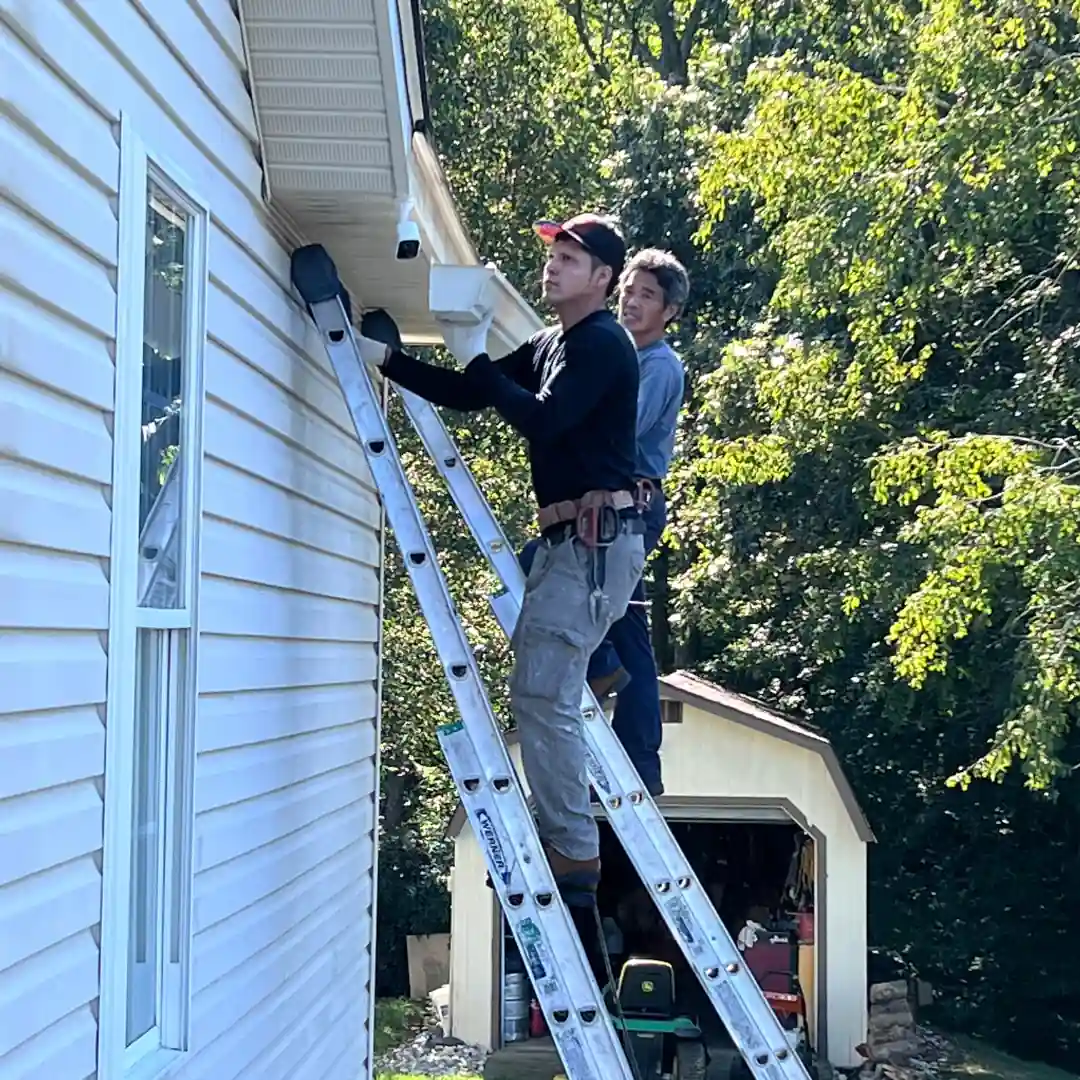
1. Clean Out Your Gutters
Clogged gutters don’t let water drain properly. Before the first freeze, remove leaves, debris, and dirt from all your gutters and downspouts. This lets melting snow flow off the roof instead of pooling and freezing.
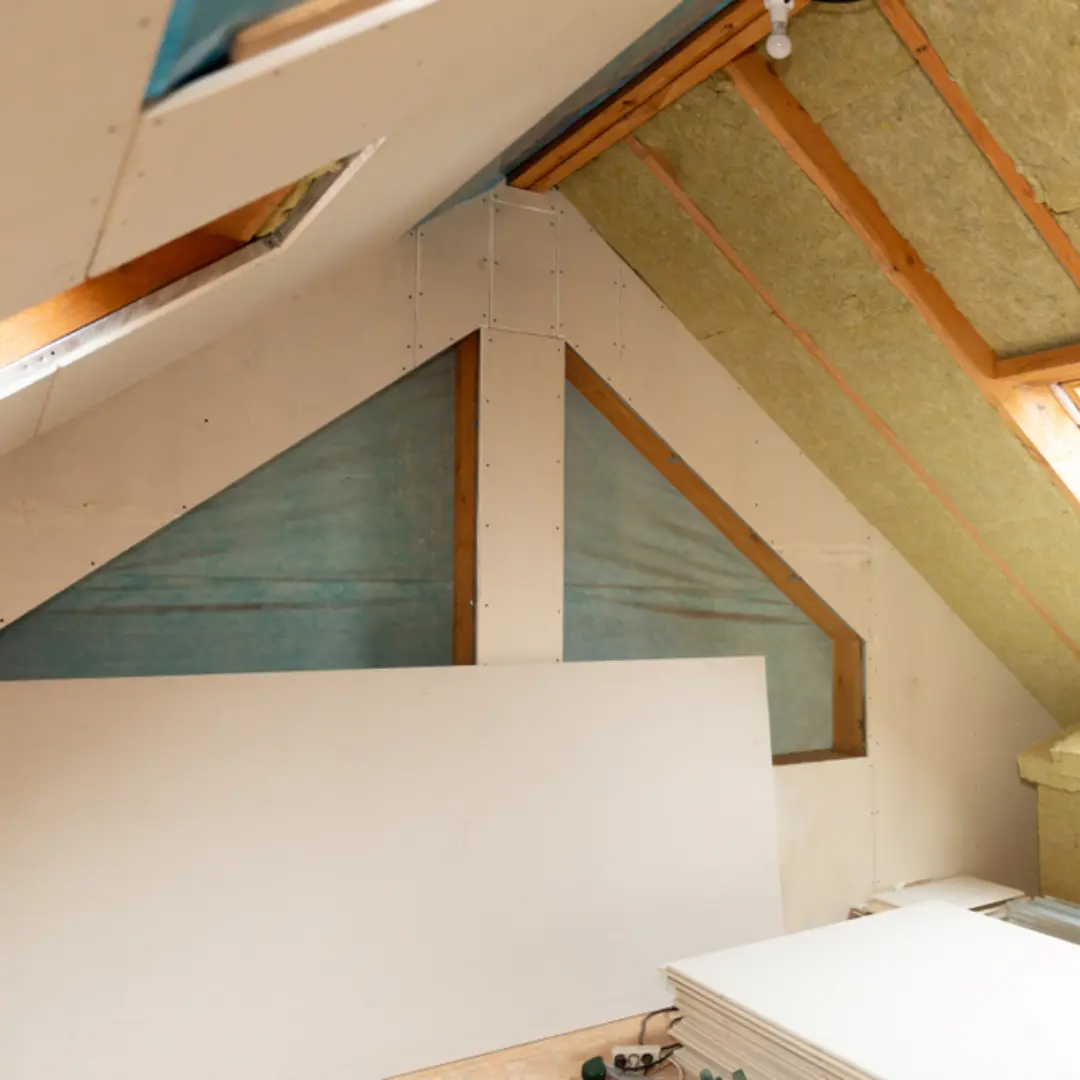
2. Insulate Your Attic
Warm air escaping from the inside of your home into the attic raises the roof temperature, which speeds up snow melt. Adequate insulation helps keep the warm air inside your living space—right where it belongs.
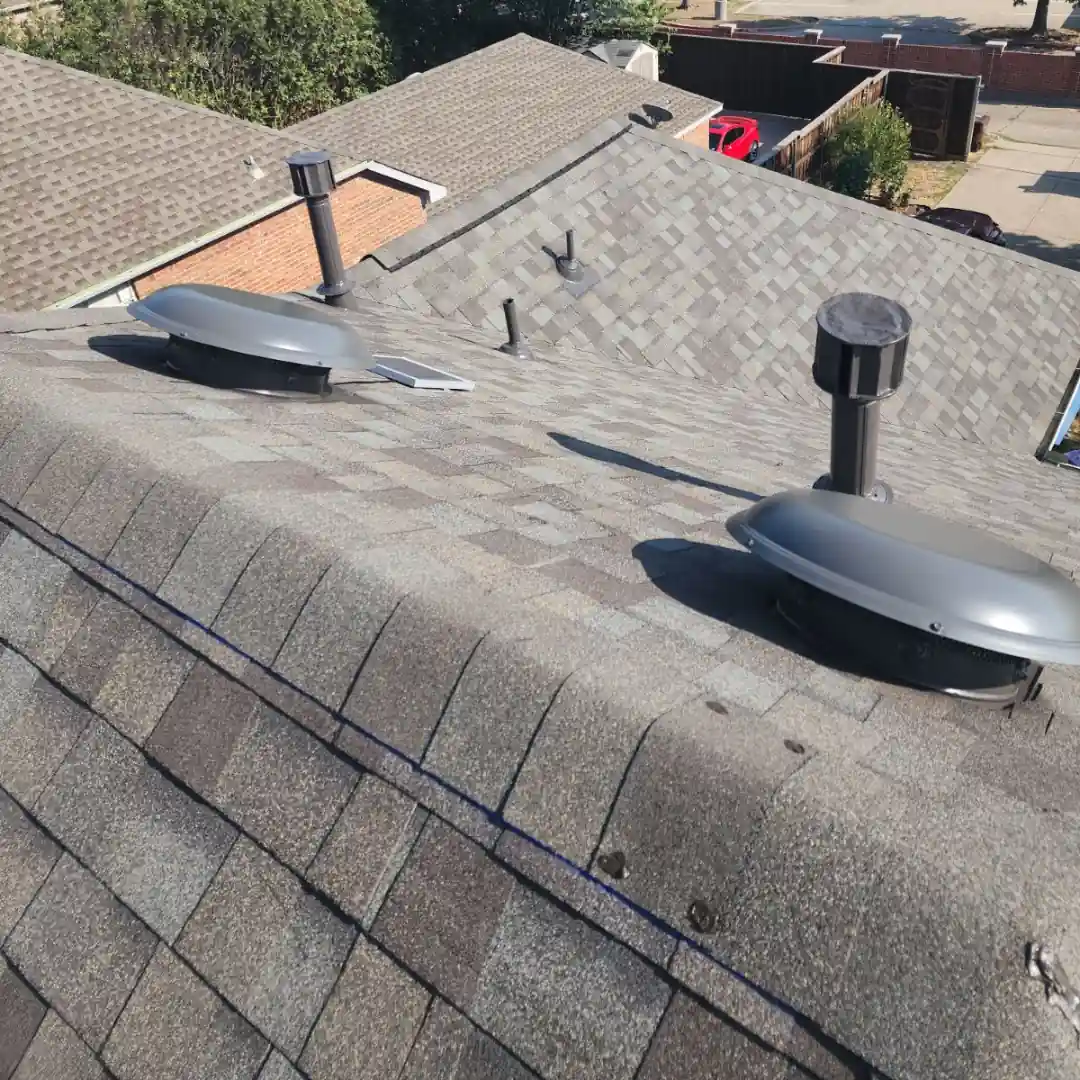
3. Ventilate the Roof Properly
A well-ventilated roof allows cold air to circulate in your attic, keeping the roof surface cold enough to prevent that uneven melting that leads to ice dams. Ridge vents, soffit vents, and attic fans can all play a part in balancing that temperature.
4. Schedule a Roof Inspection
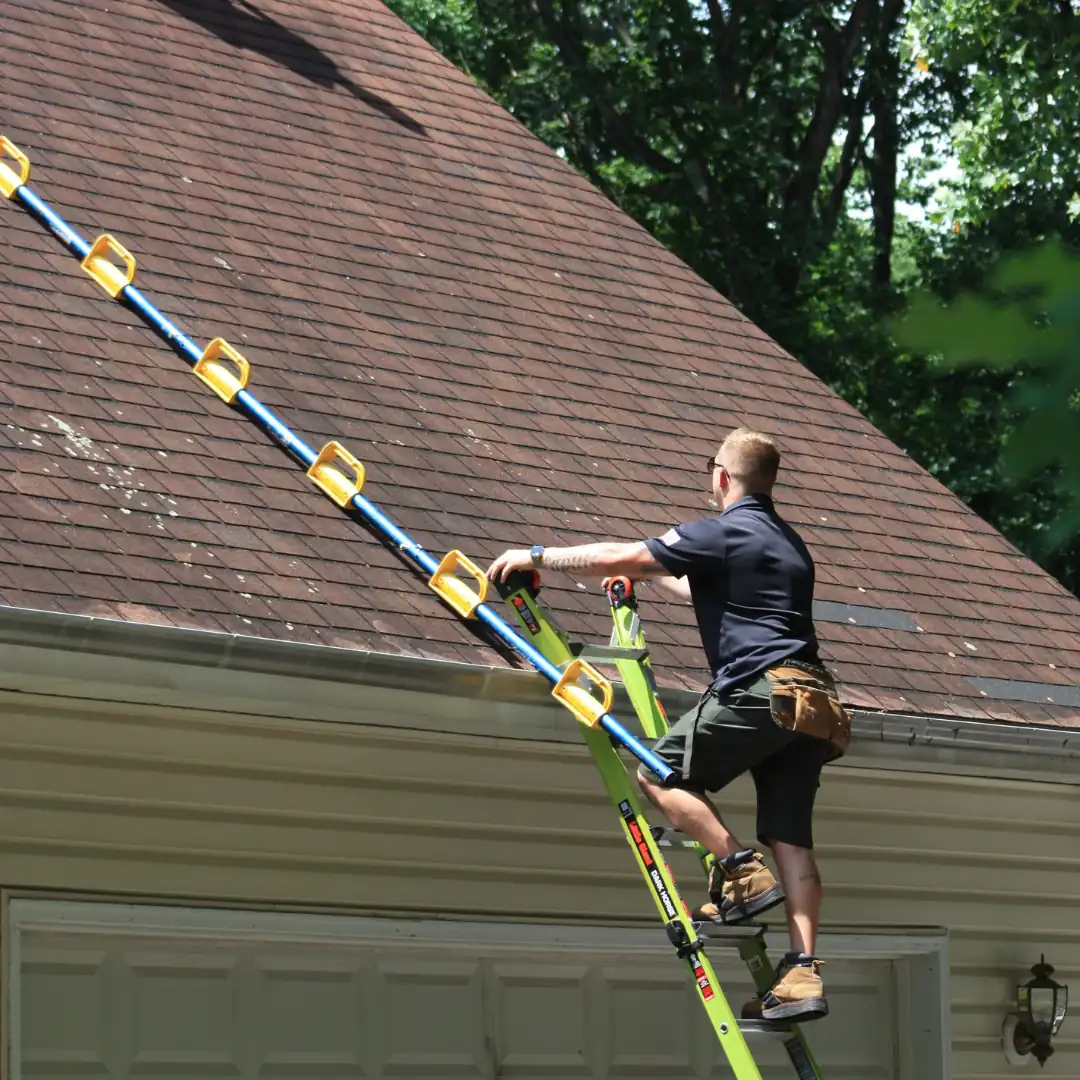
Shingles that are cracked, missing, or improperly sealed can quickly lead to leaks when ice dams form. A fall roof inspection helps catch those small issues before snow and ice push them into major problems. If you’re unsure what condition your roof is in, now is the time to get it checked.
Why Fall Is the Right Time to Act
Once the snow hits, your options shrink. Repairs become riskier, and ice dams can set in faster than you think. Addressing these issues now, before the freeze, gives your home the best chance to handle winter weather without damage.
Plus, contractors are more available in the fall, meaning you’re less likely to face delays when you need work done.
Make Your Roof Winter-Ready With Confidence
A winter-ready roof isn’t just about avoiding leaks—it’s about peace of mind when storms roll in. Whether you’ve been in your home for years or just moved in, taking these steps now puts you in control before winter takes that away.
Don’t wait until ice dams are already on your roof. Prep now. Protect your home. And head into winter knowing you’re ready for whatever the season brings.


