
A roof does more than keep out the weather; it sets the tone for the whole house. Because the roof can account for up to 40% of what people see from the curb, color is one of the fastest ways to lift perceived value before a buyer even steps inside.
Why color moves resale value
When a roof color coordinates with siding, brick, stone, and trim, buyers read the home as cared-for and move-in ready. In a national survey cited by Roofing Magazine, 91% of consumers and 87% of real-estate pros agreed that a roof color that complements the exterior increases a home’s value.
If you’re replacing an aging roof anyway, picking a resale-friendly shade makes that investment work harder. The 2024 Cost vs. Value Report shows a typical asphalt-shingle roof replacement recoups about 57% of its cost at resale on national averages—strong for an exterior project that also protects the house
Color, heat, and comfort: the simple science
Darker surfaces absorb more sunlight; lighter and “cool” roofs reflect it. On a hot summer afternoon, a conventional roof can reach 150°F or more, while a reflective roof under the same sun can be 50°F cooler—which helps keep attic temperatures in check and can reduce AC demand.
Two numbers help you compare products: solar reflectance (how much sunlight the roof bounces away) and thermal emittance (how efficiently it sheds heat it absorbed). Higher values generally mean a cooler roof under the same conditions. These metrics—and the Solar Reflectance Index that rolls them together—are standardized and explained by the Cool Roof Rating Council
Here’s the key: modern pigments can make even darker-looking shingles reflect more of the sun’s infrared energy. That’s why there are “cool-color” versions of popular shades like Charcoal or Weathered Wood. If you like a rich, modern roof, ask for the cool-rated options in that palette (for example, GAF Timberline HDZ® RS “Reflector Series”) and verify ratings. Click here for the General product overview.
What sells here: colors that work in Maryland, Virginia, West Virginia, and Pennsylvania
Value grows when your roof color fits your exterior and your block.
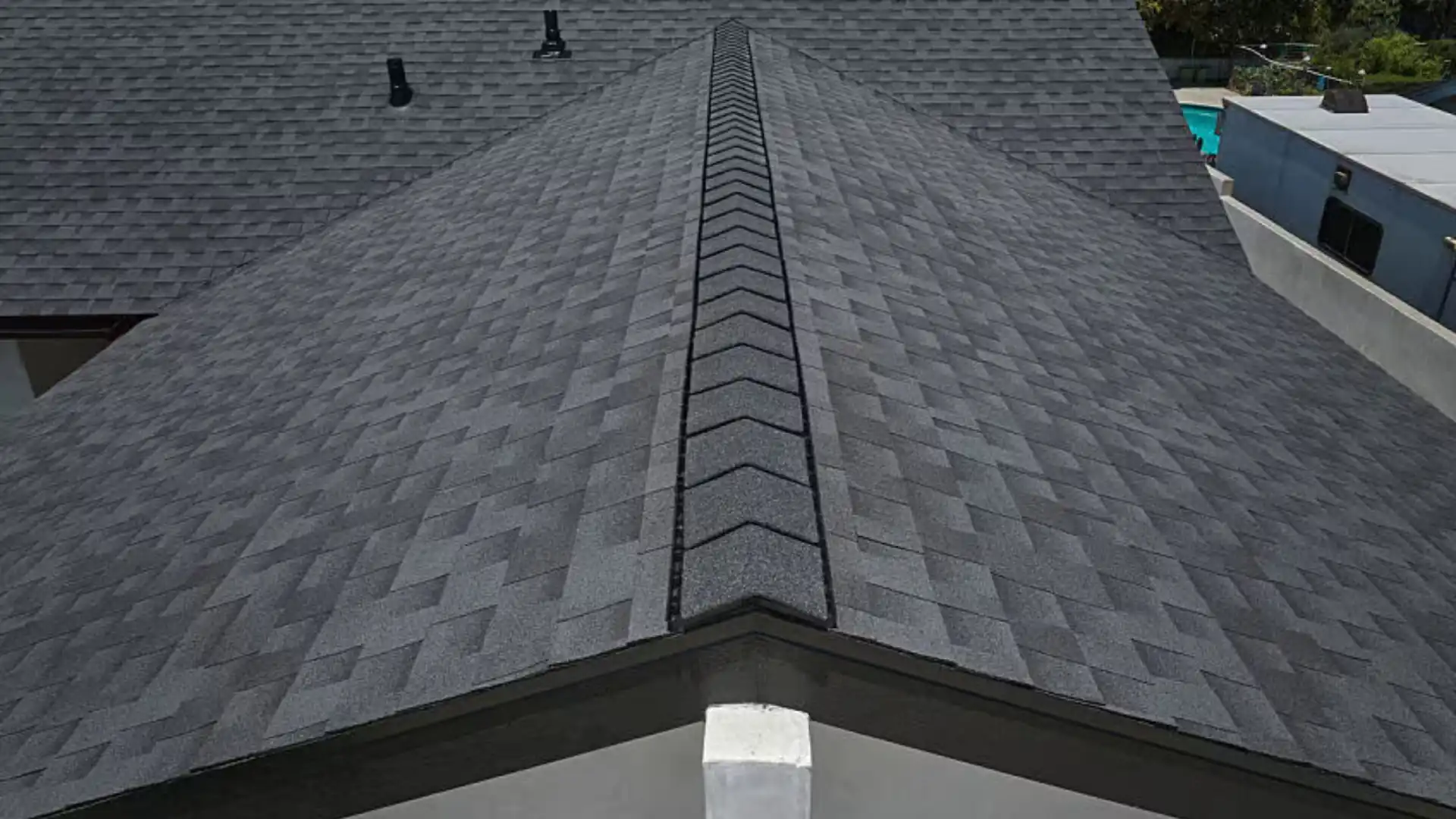
On brick colonials and rowhomes—common in Baltimore, Frederick, and Chambersburg—deep grays like Charcoal and slate-inspired blends sit comfortably against red and mixed-tone brick. That contrast photographs cleanly in listings and tends to feel “timeless” to buyers. Major shingle makers’ color guides lean on these neutrals because they pair with so many façades (Representative Manufacturer Guidance).
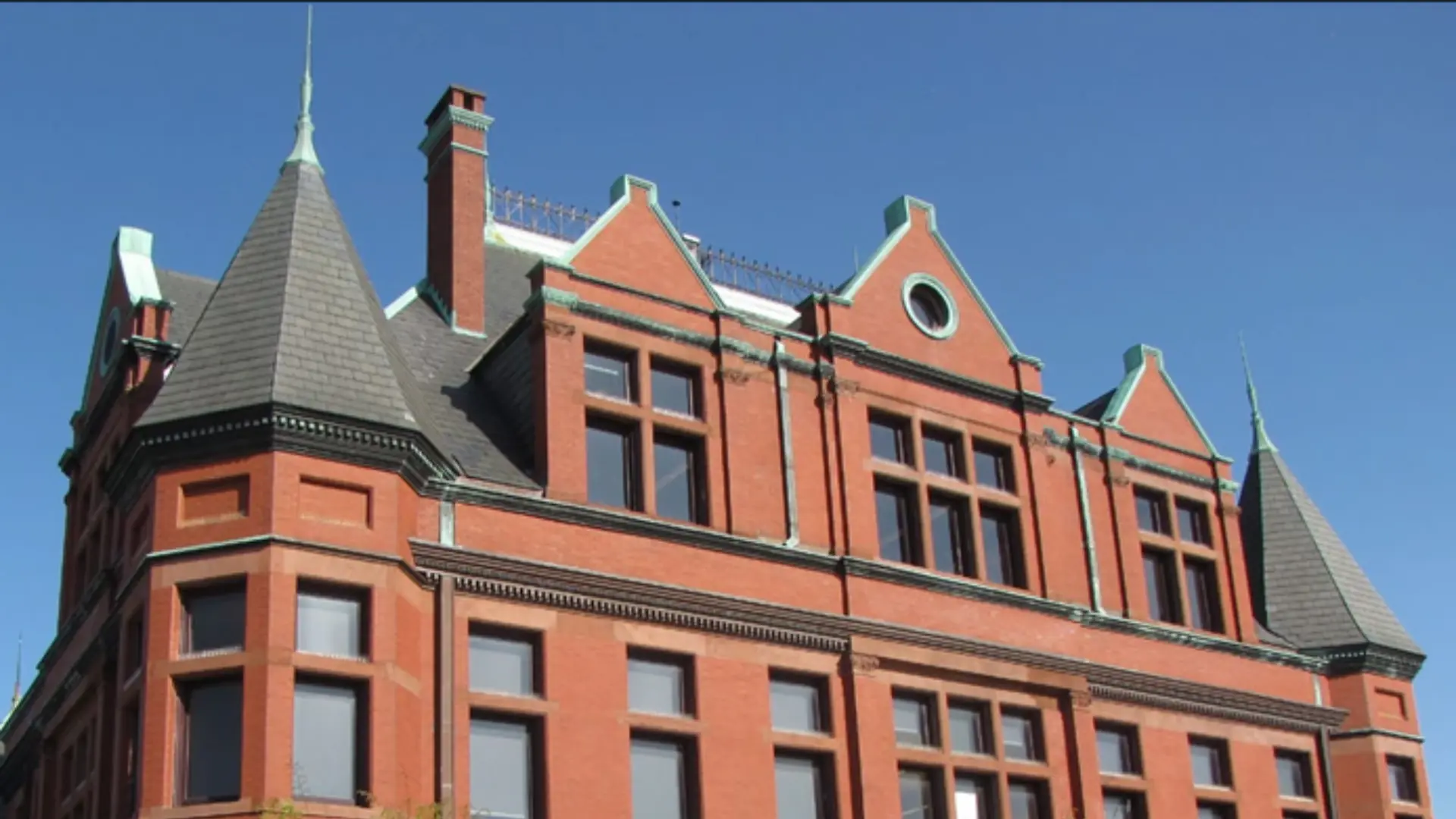
In coastal and historic streetscapes—Annapolis, Bowie, and older town centers—there may be rules. Many historic districts require approvals for visible roof changes, often steering owners toward traditional, muted palettes. You’ll save time by checking guidelines first. For example, Annapolis outlines what can be approved administratively and what must go to the Historic Preservation Commission.
In Baltimore City, CHAP’s design guidelines frame how exterior work is reviewed in historic districts
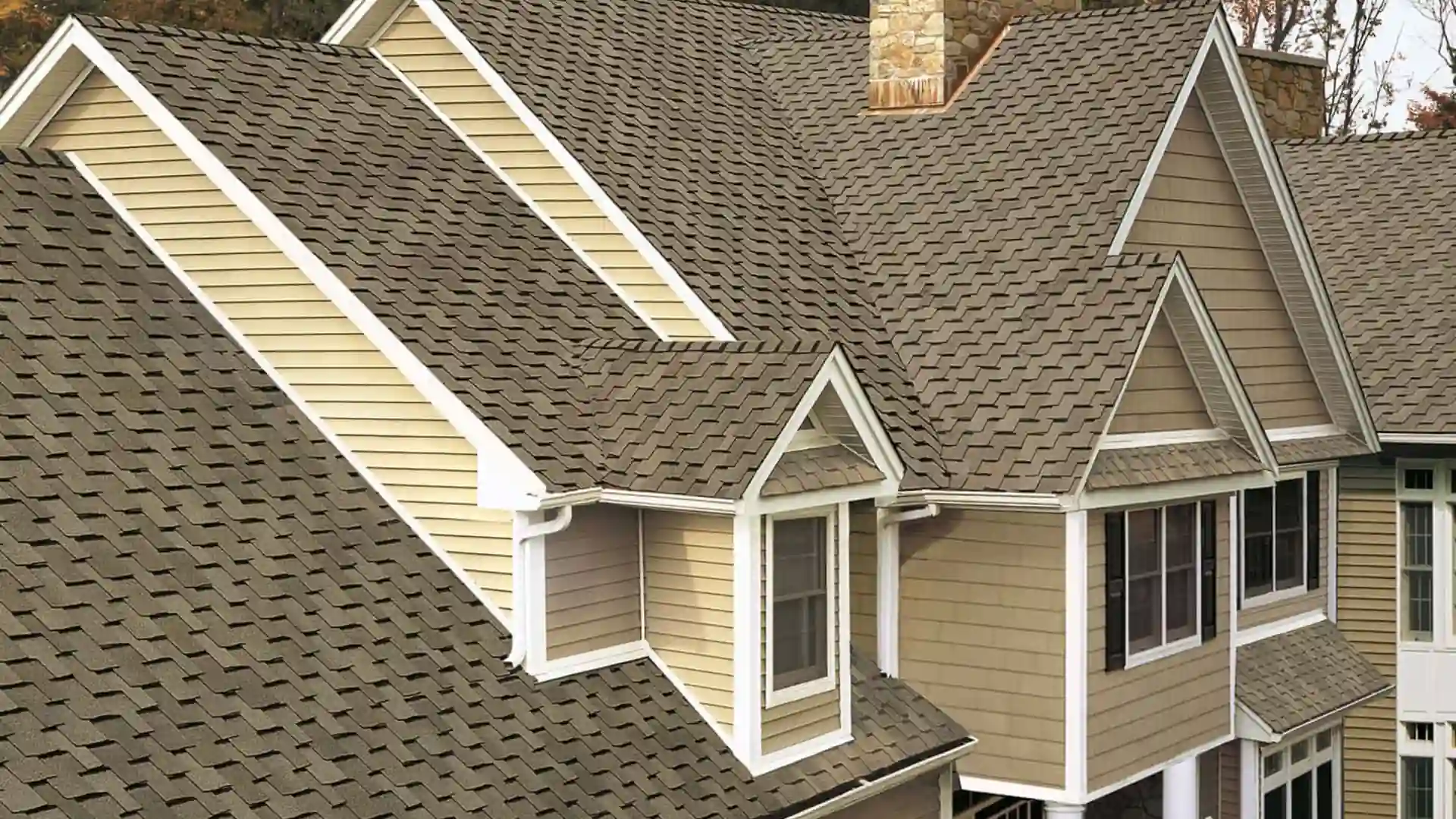
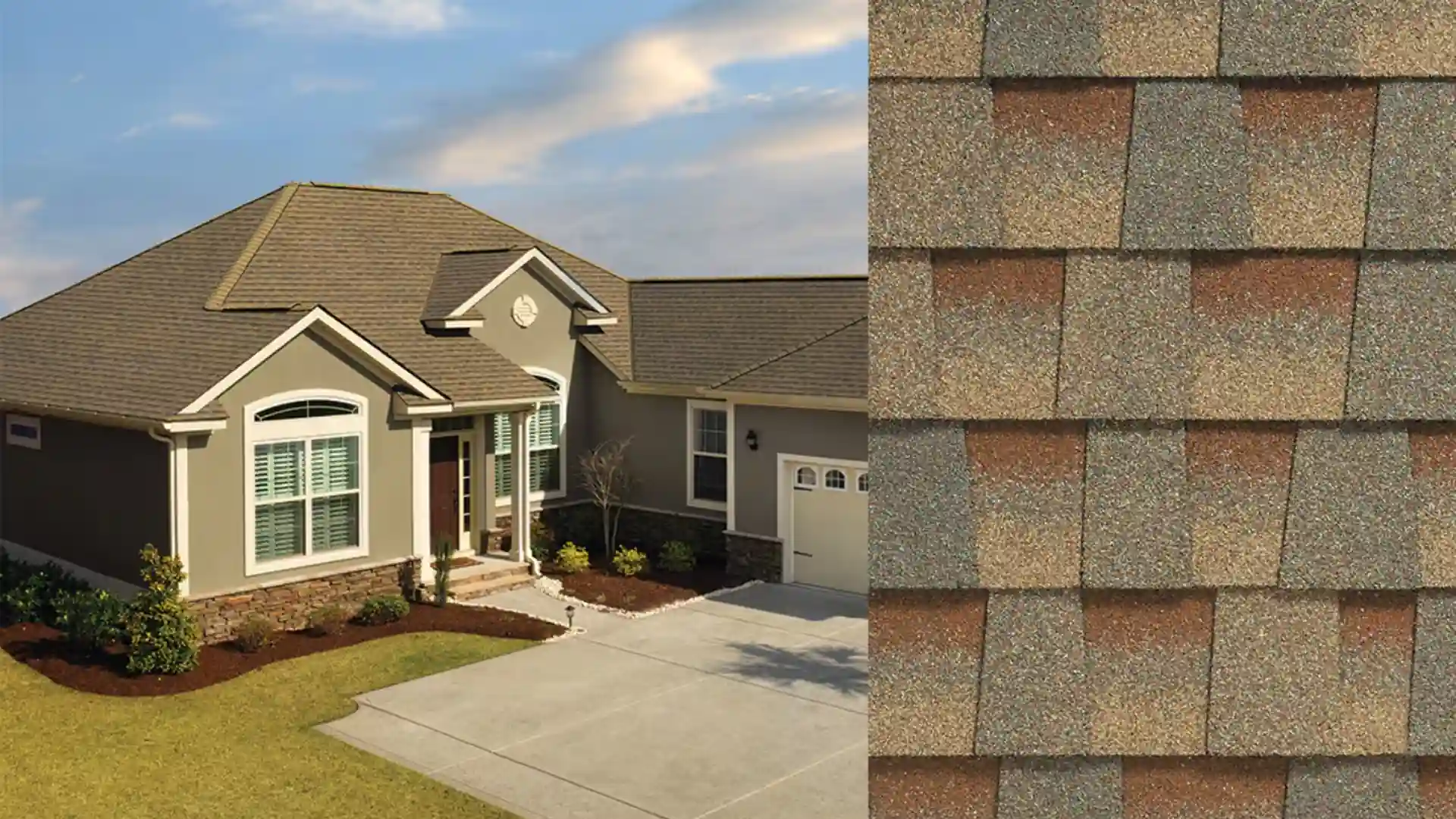
For Craftsman, farmhouse, and rural properties across Carroll and Loudoun Counties and the WV panhandle, mid-tone neutrals like Weathered Wood blend with stone, shake accents, and open landscapes. They hide pollen and dust better than very light roofs and still feel warm and welcoming (See Manufacturer Color Families)
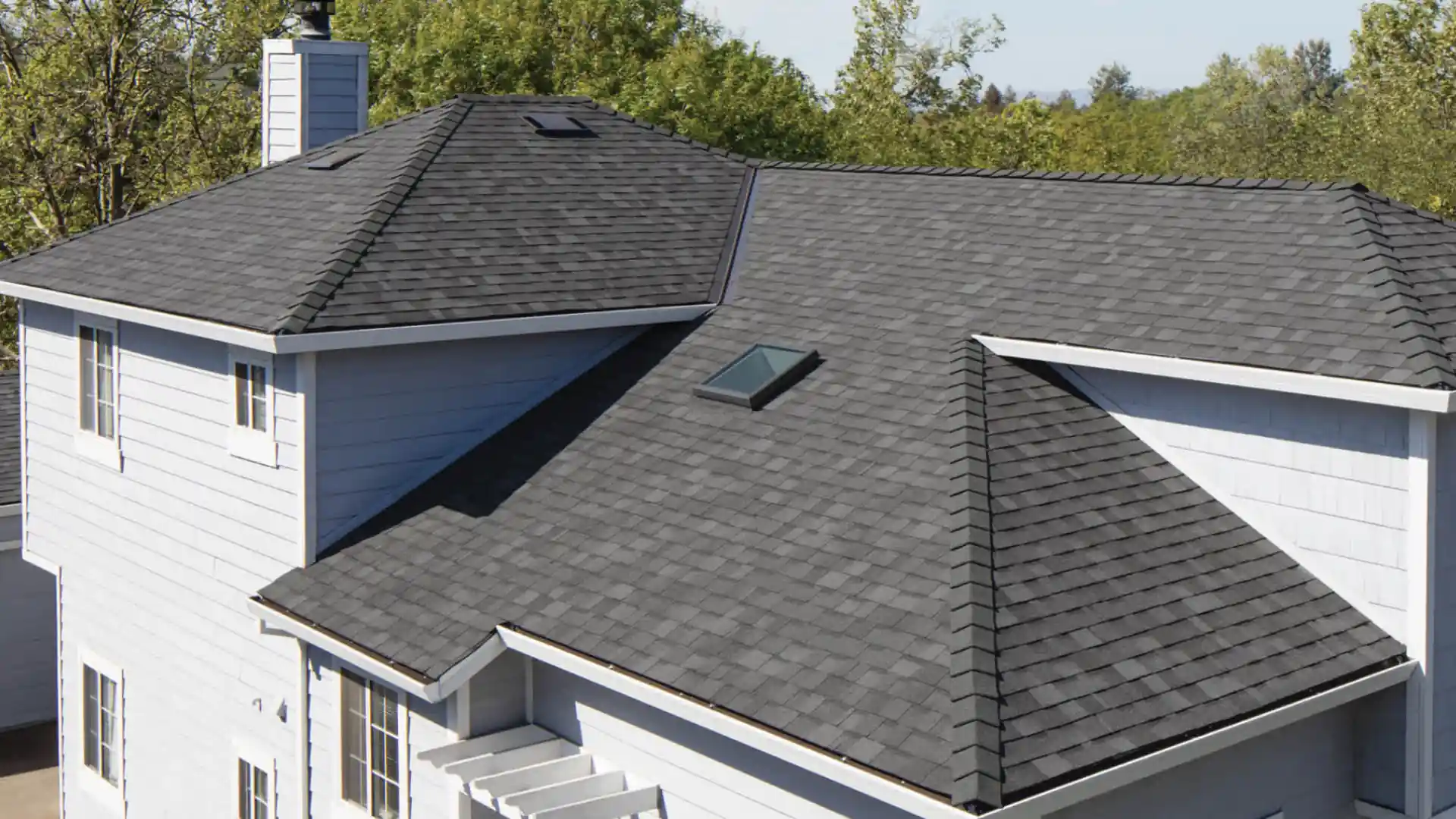
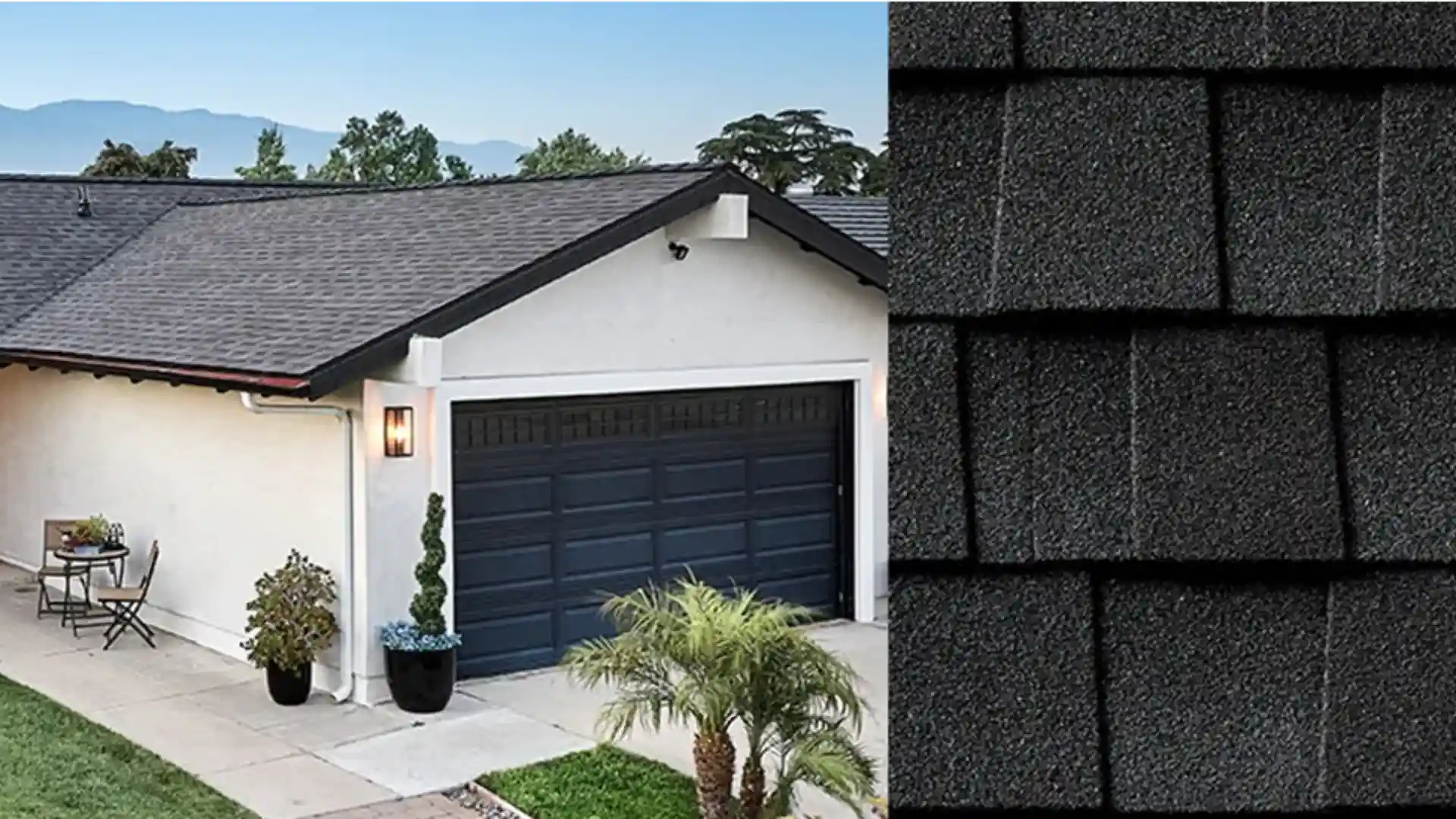
If you prefer a modern, high-contrast look or plan to add solar, near-black or crisp gray roofs outline lighter siding and pair cleanly with black gutters and panels. To avoid excess attic heat, choose a cool-rated dark shingle and double-check the radiative properties. (CRRC overview)
Five value drivers most homeowners overlook
Neighborhood fit
Buyers compare homes side by side, especially in places like Annapolis or Bowie. When a roof color clashes with common brick/siding tones on the block, buyers mentally budget for a redo and lower offers. That’s why coordinated color keeps value intact (Survey Context)
Reflective tech—not just light paint
“Cool” doesn’t have to mean pale. Infrared-reflective pigments in the granules change the heat profile, which is why today’s cool-color shingles can look rich and still run cooler than older dark roofs. Check the cool-color lines from your preferred brand. (Background on Reflective Pigments)
Resale strength
If you’re replacing due to age or storm damage, choose a color that pairs with fixed elements—brick, stone, windows—and travels well across buyer tastes. National ROI data supports that approach.
Climate reality
Our summers are warm and winters are real. Light or cool-rated shingles help reduce summer attic heat; proper ventilation and insulation matter just as much as color for comfort and shingle life.
Maintenance optics
In humid summers, blue-green algae can streak shingles, especially very light roofs. Algae-resistant shingles carry technology and warranties that help the roof look newer longer—good for online photos and in-person showings.
How to choose your color without overthinking it
Start with what won’t change: brick tone, siding, stone, trim, and window finishes. Pull full-size shingle samples in two or three palettes that play nicely with those elements, then look at them outside in morning and late-day light. Your eyes will tell you more in five minutes outdoors than an hour on a screen. Manufacturer color families are a helpful shortcut to that short list (Representative Example)
Next, filter for performance. If summer heat has been a problem—or the roof gets strong west/south sun—ask for cool-rated versions of your favorite shades and confirm the CRRC numbers on the spec sheet. Prefer a darker look? Look at reflective dark lines that publish tested values (check here).
Finally, check the rulebook if you’re in a historic district. Submitting the right color and material at the start keeps your project moving and avoids surprise re-selections later (Annapolis Process) (Baltimore CHAP Guidelines)
Quick answers
Do darker roofs always hurt resale?
No. Dark neutrals are popular and can look fantastic on brick or modern façades. If attic heat worries you, choose a cool-rated dark shingle and verify the radiative properties (product options: CRRC overview).
Will a cool-color shingle lower my bills?
It can help reduce attic heat on sunny days. The Department of Energy notes reflective roofs can be 50°F cooler than conventional roofs under the same sun; actual savings vary with insulation, ventilation, and shade.
Which colors appeal to the widest buyer pool here?
Across Mid-Atlantic listings—Annapolis to Frederick—Charcoal, Pewter Gray, and Weathered Wood are steady crowd-pleasers because they pair with common brick and siding colors and photograph well for online search (representative manufacturer color families: Media trend pieces echo the neutral-first approach to value).
Bottom line: A big share of curb appeal lives on the roof. Choose a color that fits your home, performs in our climate, and strengthens offers at resale. This guide shows you how.


