
As the leaves turn and temperatures dip, your roof faces new seasonal challenges—especially in the fall. One of the most common and overlooked problems during this time? Failing flashing.
Flashing might be small, but it plays a massive role in keeping water out of your home. When it’s compromised, leaks follow. And those leaks don’t just stay in the attic—they spread fast, damaging ceilings, walls, insulation, and even your foundation over time.
So, why does flashing fail in the fall? And what steps can you take now to avoid costly repairs later?
What Is Flashing and Why It Matters
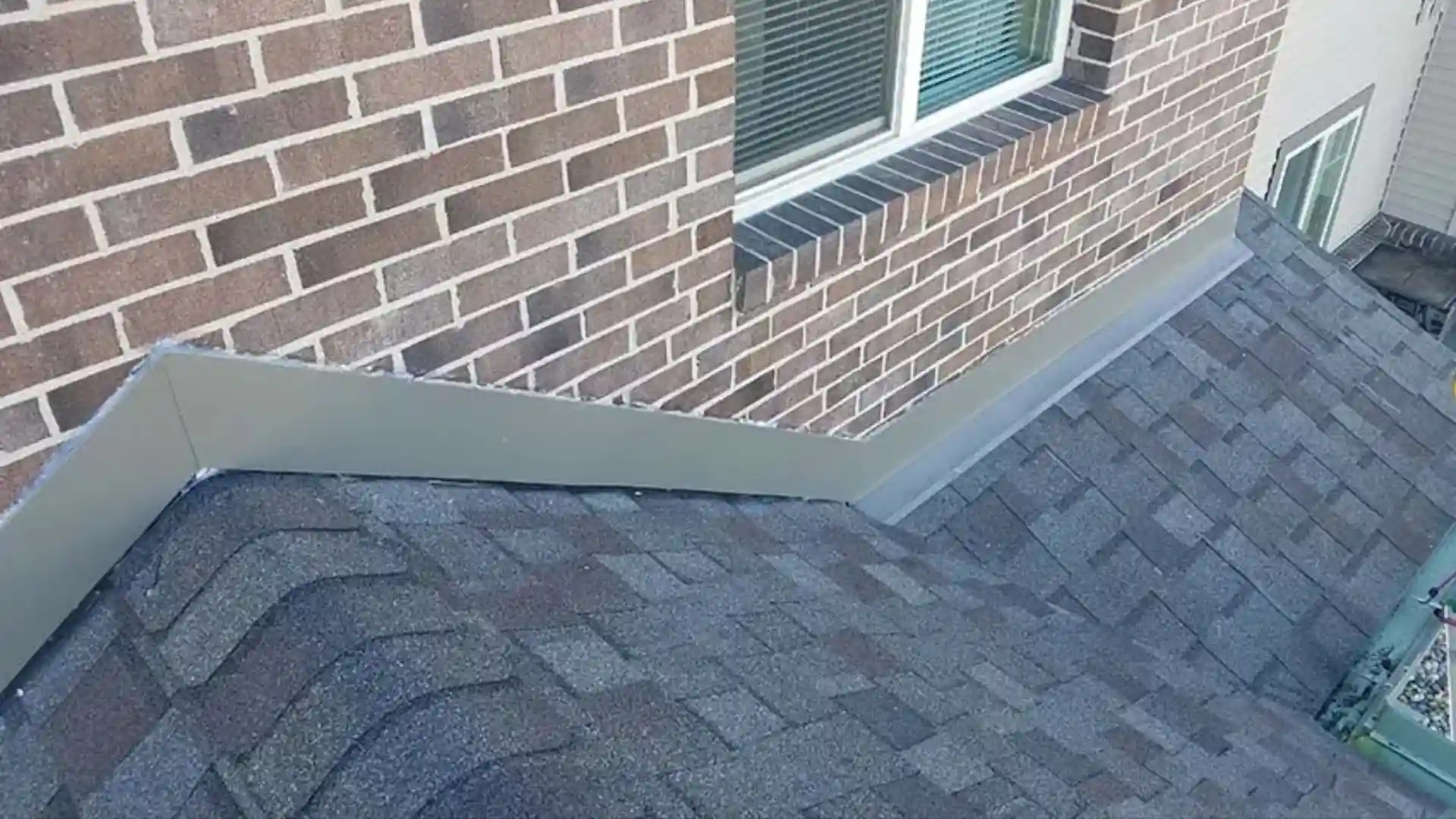
Flashing is the thin metal (typically aluminum or galvanized steel) installed around roof features—chimneys, vents, skylights, and in roof valleys—to direct water away from critical areas. It’s your roof’s unsung hero, quietly preventing water intrusion every time it rains or snows.
But like anything exposed to the elements, flashing doesn’t last forever.
Common Reasons Flashing Fails in Fall
As summer gives way to cooler temperatures, your roof experiences rapid changes—hot, sunny afternoons followed by chilly nights. That expansion and contraction cycle stresses flashing and the sealants around it.
Here’s what typically goes wrong:
Sealant Breakdown
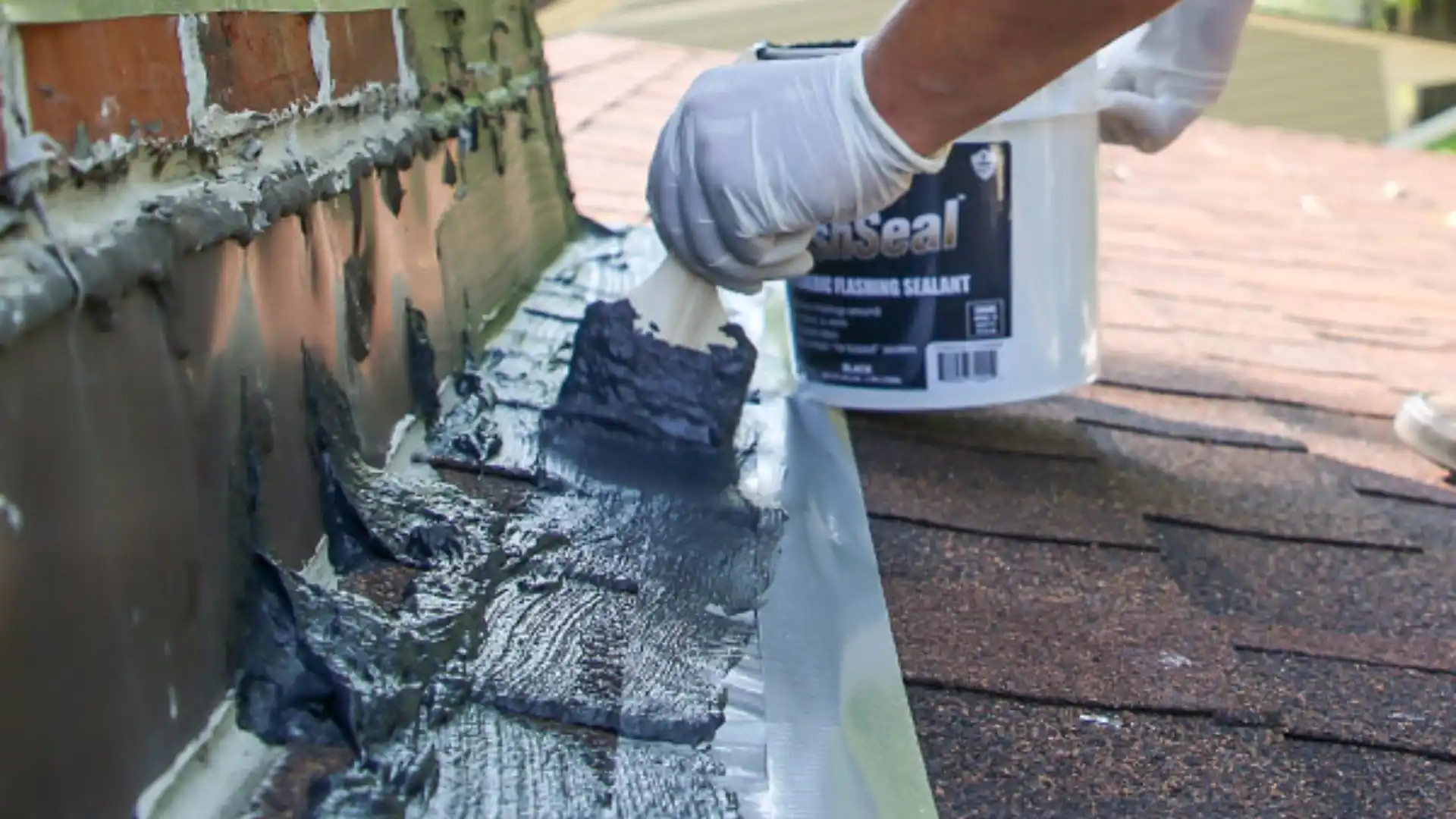
UV exposure from summer weakens the adhesive sealants. When colder weather arrives, the sealant cracks or pulls away, leaving gaps.
Rust and Corrosion
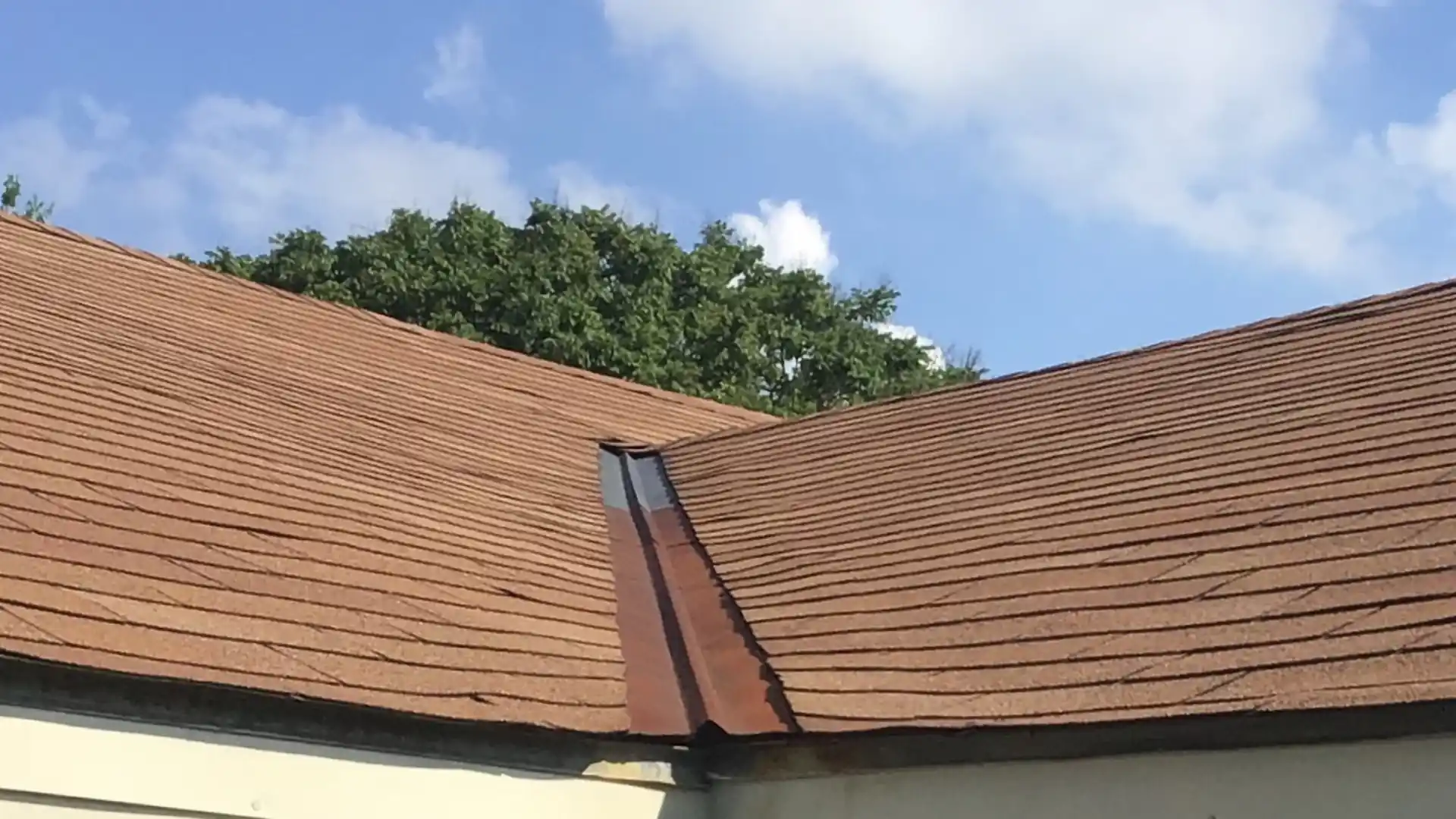
In older homes, flashing may not be rust-resistant. When metal begins to corrode, it weakens and eventually allows water through.
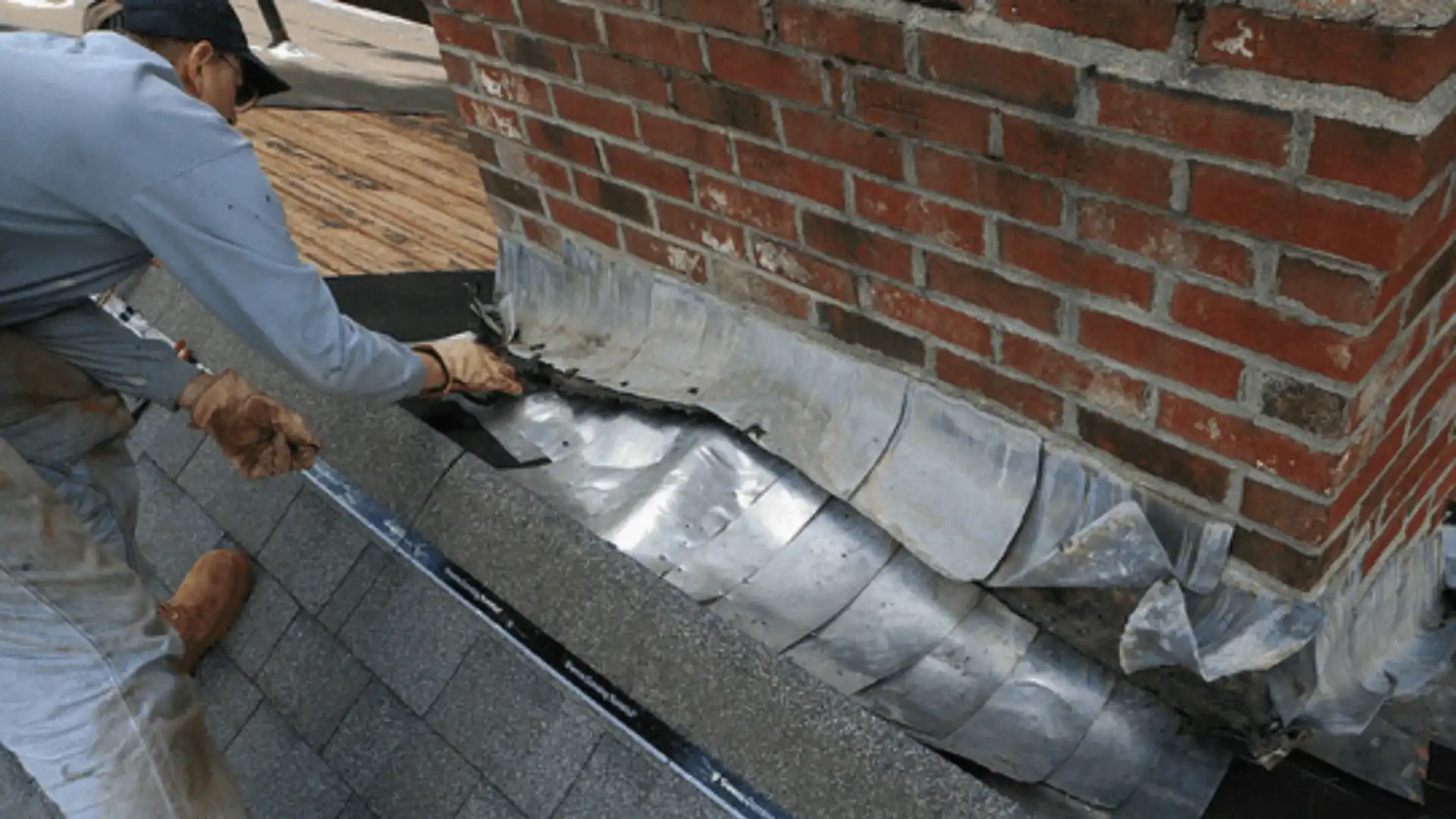
Improper Installation
Flashing that was rushed or done incorrectly won’t hold up through multiple seasons. It may shift out of place or leave vulnerable gaps.
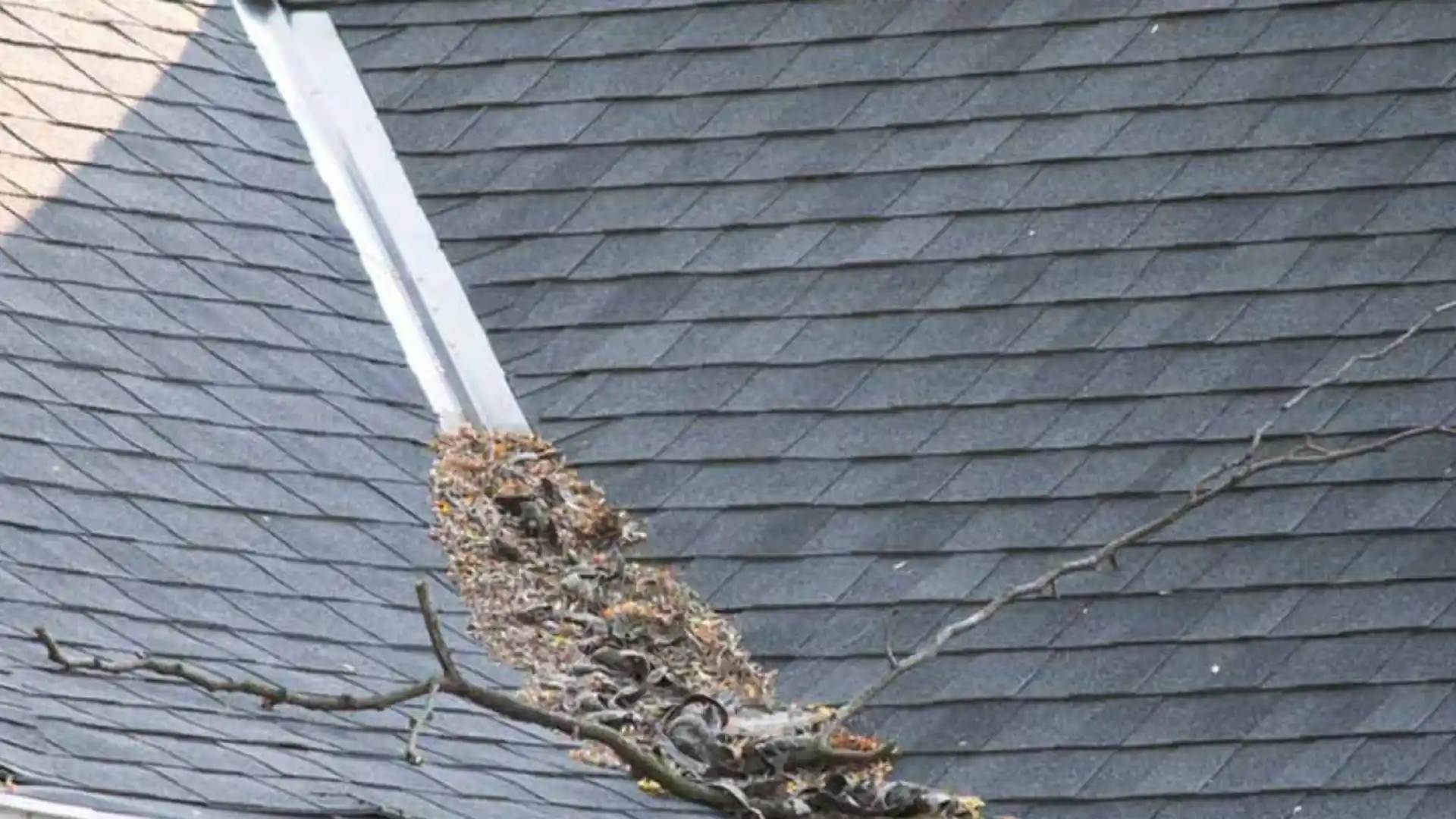
Animal or Storm Damage
Fall is peak time for critters seeking warmth. Squirrels or birds can disturb flashing while trying to nest. And fall storms bring wind, debris, and heavy rain that can loosen poorly anchored materials.
What You Can Do About It Before Winter Hits
Catching flashing issues early can save thousands in repairs. The key is to be proactive—not reactive.
If your roof is over 10 years old or has gone through recent storm activity, it’s smart to get a professional inspection before winter. Fall is the perfect time for this kind of maintenance. It’s dry, temperatures are mild, and there’s time to fix small issues before snow and ice make them worse.
When a seasoned crew inspects your roof, they’ll look for:
What You Can Do About It Before Winter Hits
Catching flashing issues early can save thousands in repairs. The key is to be proactive—not reactive.
If your roof is over 10 years old or has gone through recent storm activity, it’s smart to get a professional inspection before winter. Fall is the perfect time for this kind of maintenance. It’s dry, temperatures are mild, and there’s time to fix small issues before snow and ice make them worse.
When a seasoned crew inspects your roof, they’ll look for:
Missing or lifted flashing
Signs of rust or corrosion
Gaps in sealant
Water stains or soft spots near flashing points inside your attic
And if flashing repairs are needed, they can be handled quickly with weather-appropriate materials designed to endure the freeze-thaw cycles of Mid-Atlantic winters.
What Happens If You Wait?
Flashing damage might not be dramatic at first. You might just notice a small leak or discoloration on a ceiling tile. But water never stops at the surface. It keeps moving—into insulation, behind drywall, and eventually into your electrical systems or flooring.
By spring, what started as a simple flashing fix could turn into a full roof replacement or major interior renovation.
Fall Is the Best Time to Prep Your Roof
Addressing flashing now means fewer headaches when winter arrives. A properly sealed roof handles snow and ice better, reducing the risk of ice dams and interior water damage. Plus, your energy bills stay lower when your attic stays dry and insulated.
Roof flashing may be easy to overlook, but ignoring it can lead to serious consequences. With a quick inspection and a trusted crew, you can get ahead of issues before they get worse.


