
What Buyers and Sellers Need to Know Before Closing the Deal
When you’re in the middle of buying or selling a home, a few cracked shingles on the roof might seem like a minor issue. But in the eyes of an inspector—or a potential buyer—those small signs of wear can lead to bigger questions. Is the roof still protecting the home the way it should? Will this hold up to the next storm? Should this be repaired, or is a full replacement the smarter long-term move?
Understanding what cracked shingles mean can help buyers make informed offers and sellers avoid last-minute surprises.
What Do Cracked Shingles Really Mean?
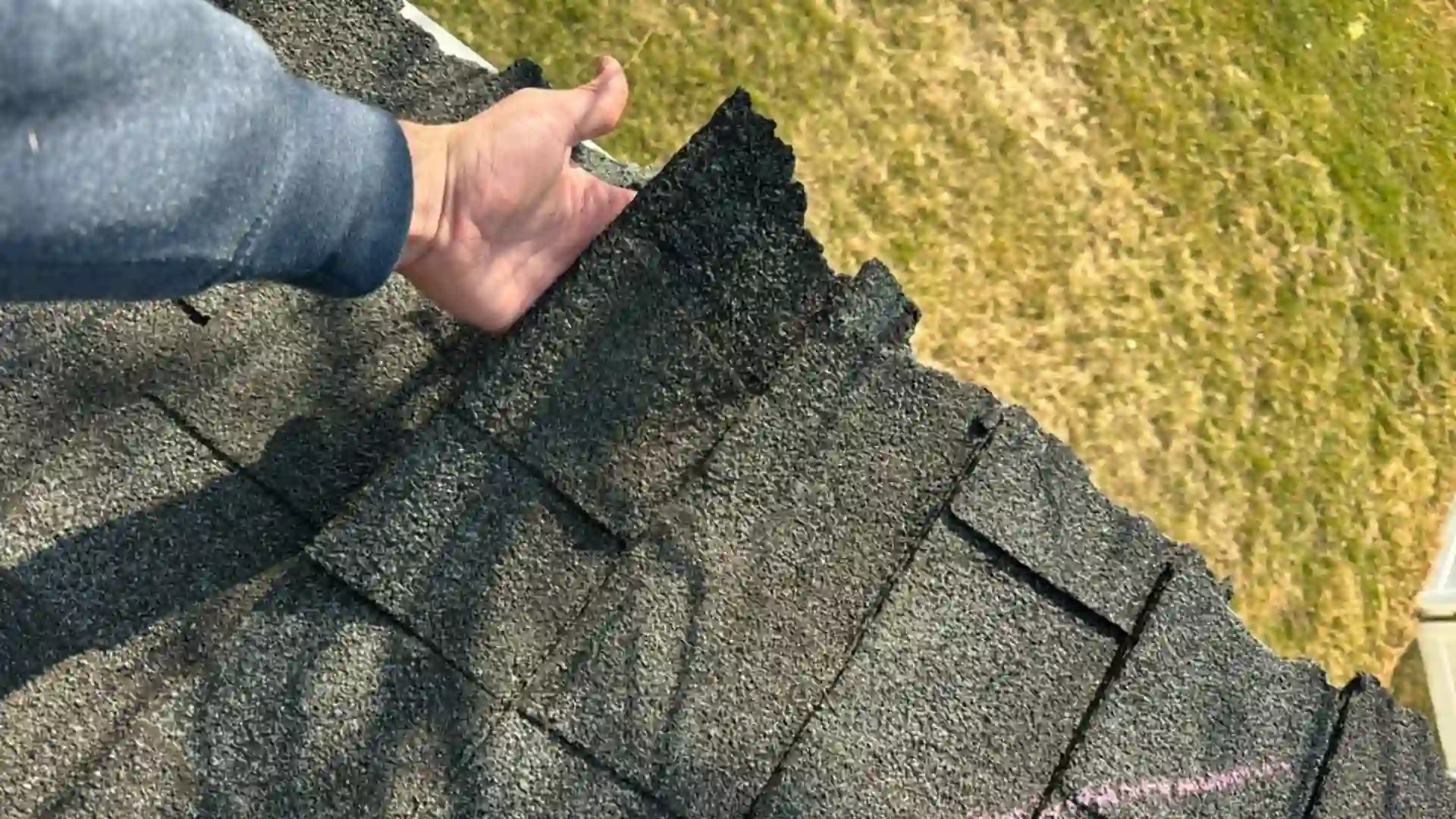
Cracked shingles aren’t just cosmetic. They’re often a sign that the roof is aging, has been exposed to harsh weather, or wasn’t installed properly. In areas like Maryland, Pennsylvania, West Virginia, and Virginia—where seasonal storms, high winds, and temperature shifts are common—roofs take a beating. Shingles can crack under pressure from sun exposure, freezing cycles, or hail, weakening the barrier between the home and the elements.
If left unaddressed, even a few cracked shingles can lead to leaks, rot, and structural damage.
For Sellers:
Should You Repair or Replace Before Listing?
For Sellers: Should You Repair or Replace Before Listing?
If you’re selling your home and the inspection report highlights cracked shingles, buyers may ask for a credit, demand repairs, or even walk away if they think the roof is a ticking time bomb.
Repairs might be enough if:
The cracks are isolated to a few shingles
The roof is less than 10 years old
There’s no sign of leaks or deeper issues
But if the cracks are widespread or the roof is nearing the end of its life, a full replacement may actually increase the home’s appeal—and value. A new roof can be a major selling point, especially if it comes with transferable warranties and professional installation by a GAF Master Elite contractor. That designation assures buyers the work was done right, which can provide confidence and help the sale move forward without delays.
For Buyers:
How to Evaluate Cracked
Shingles During a Home Purchase
For Buyers: How to Evaluate Cracked Shingles During a Home Purchase
During a home inspection, cracked shingles may not automatically mean the roof is failing—but it is something to take seriously. Ask the inspector how extensive the damage is and whether there’s any evidence of leaks or water intrusion in the attic or ceiling.
As a buyer, you can:
Request the seller make repairs before closing
Ask for a credit to cover the cost of professional roof work
Negotiate for a full roof replacement if the damage is widespread or the roof is near its end.
Working with a local roofing expert near you can help you get a real sense of what you’re walking into. If the home is located in a storm-prone area, getting a second opinion can help you avoid expensive surprises after move-in.
Why Professional Roofing Guidance Matters
Whether you’re preparing to sell or considering a purchase, the roof is one of the most important systems protecting the home. Cracked shingles might seem like a small detail, but they often signal bigger issues or upcoming costs.
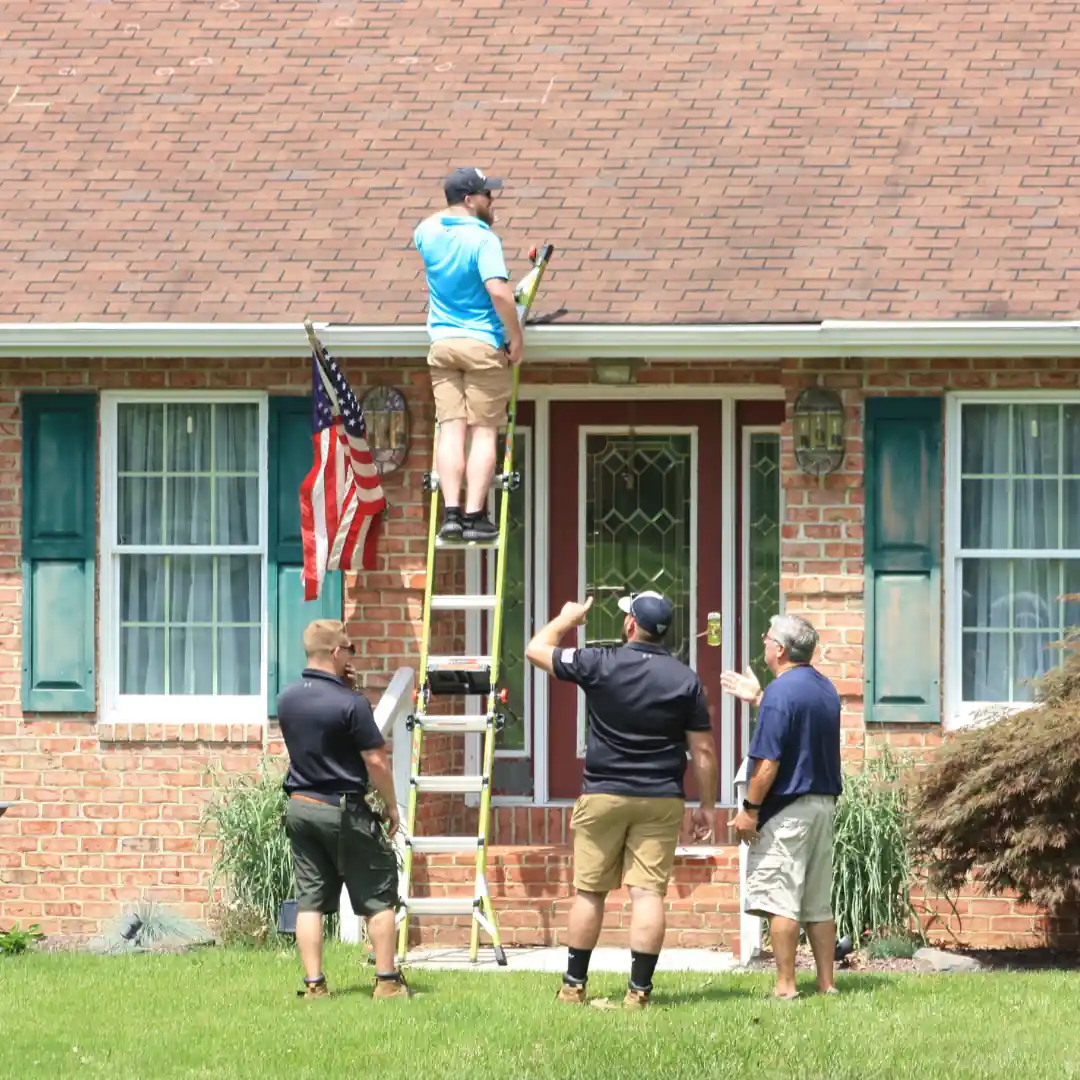
Partnering with a local, experienced roofer who understands insurance restoration, wind damage, and how to properly assess shingle damage can take a lot of stress off your plate.
Buyers want to feel confident they’re not inheriting problems. Sellers want to avoid renegotiations. Getting the roof right helps both sides.
Final Thought: It’s Not Just About Today
A roof in poor shape can hold up a sale, hurt negotiations, or create unexpected costs down the road. Addressing cracked shingles—whether through smart repairs or a complete replacement—helps ensure that the home transitions smoothly from one family to the next.
When you’re making big decisions around a home, you deserve guidance that cuts through the noise. A trusted roofing professional can help you make the right call, based on the condition of the roof, the local weather patterns, and your timeline.