
When a roof starts leaking, it can feel like a sudden crisis. Water stains appear on ceilings, drips echo in quiet rooms, and you’re left wondering what went wrong. The truth is, most leaks start long before they show up inside. Spotting the signs early—and knowing what to look for—can make all the difference between a quick fix and major repairs.
Let’s break down the 7 most common reasons your roof might be leaking and what you can do about it.
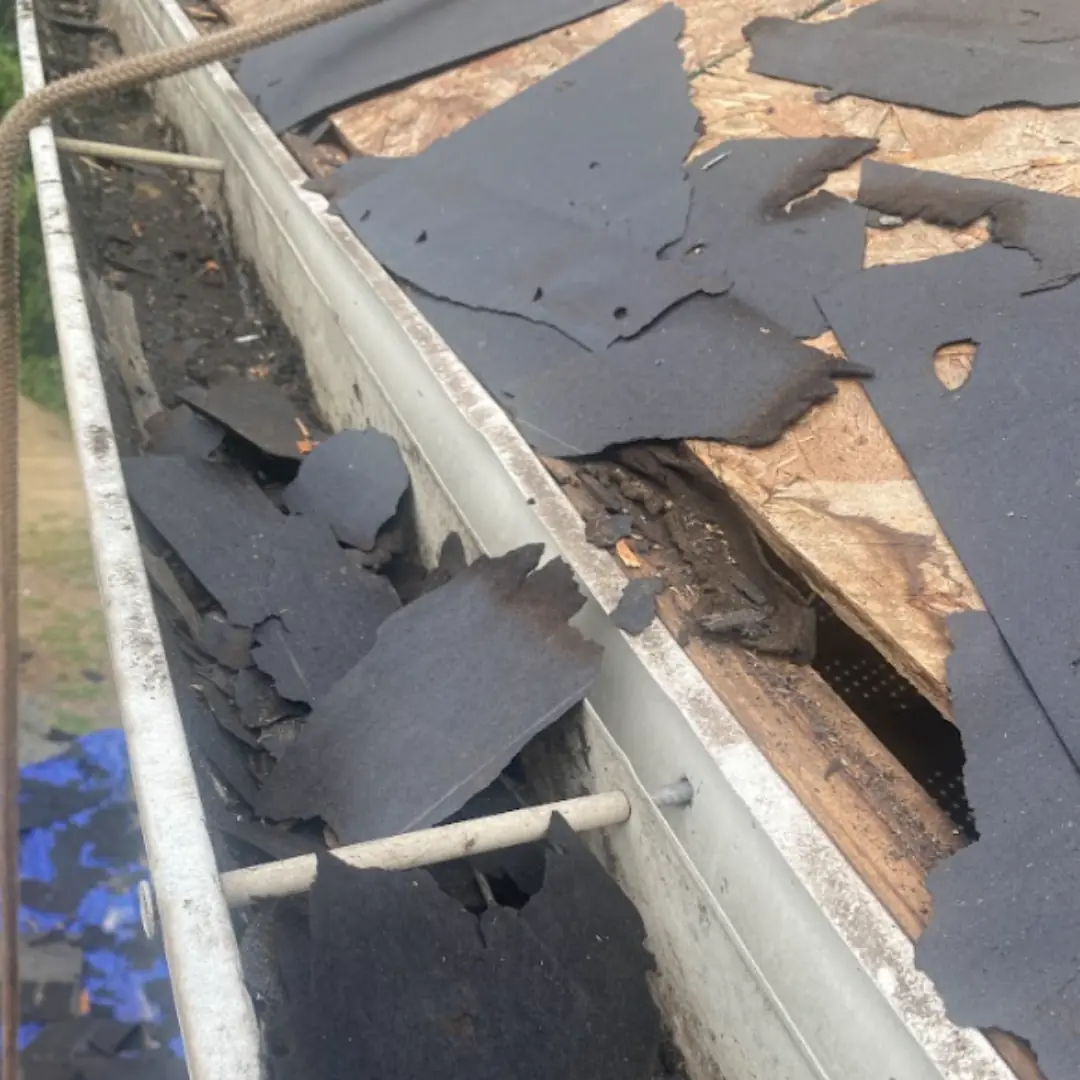
1. Damaged or Missing Shingles
Shingles are your roof’s first line of defense against rain, snow, and wind. When they crack, curl, or go missing—especially after a storm—it leaves the underlayers exposed. Water finds its way in quickly, especially along edges and valleys.
You might not see this from the ground, which is why regular roof inspections are so important—especially in storm-prone areas like Maryland, Pennsylvania, Virginia, and West Virginia.
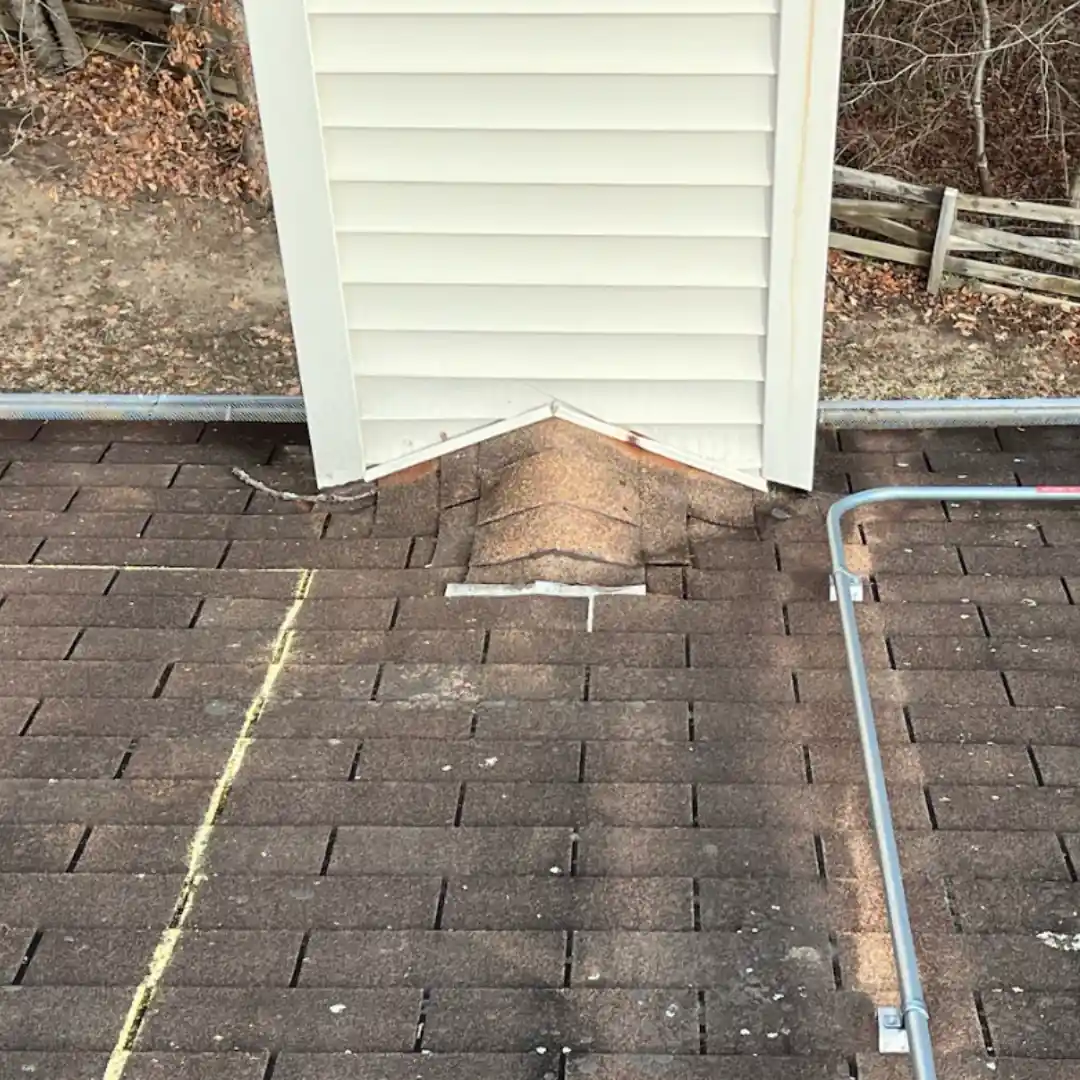
2. Faulty Flashing Around Chimneys or Vents
Flashing is the metal sealed around roof features like chimneys, skylights, and vents. If it cracks, rusts, or pulls away, it creates small gaps where water can seep in. Over time, these leaks can lead to rotted wood, mold, or interior ceiling stains.
Homeowners often mistake this type of leak as a plumbing or HVAC issue, but it usually starts on the roof.
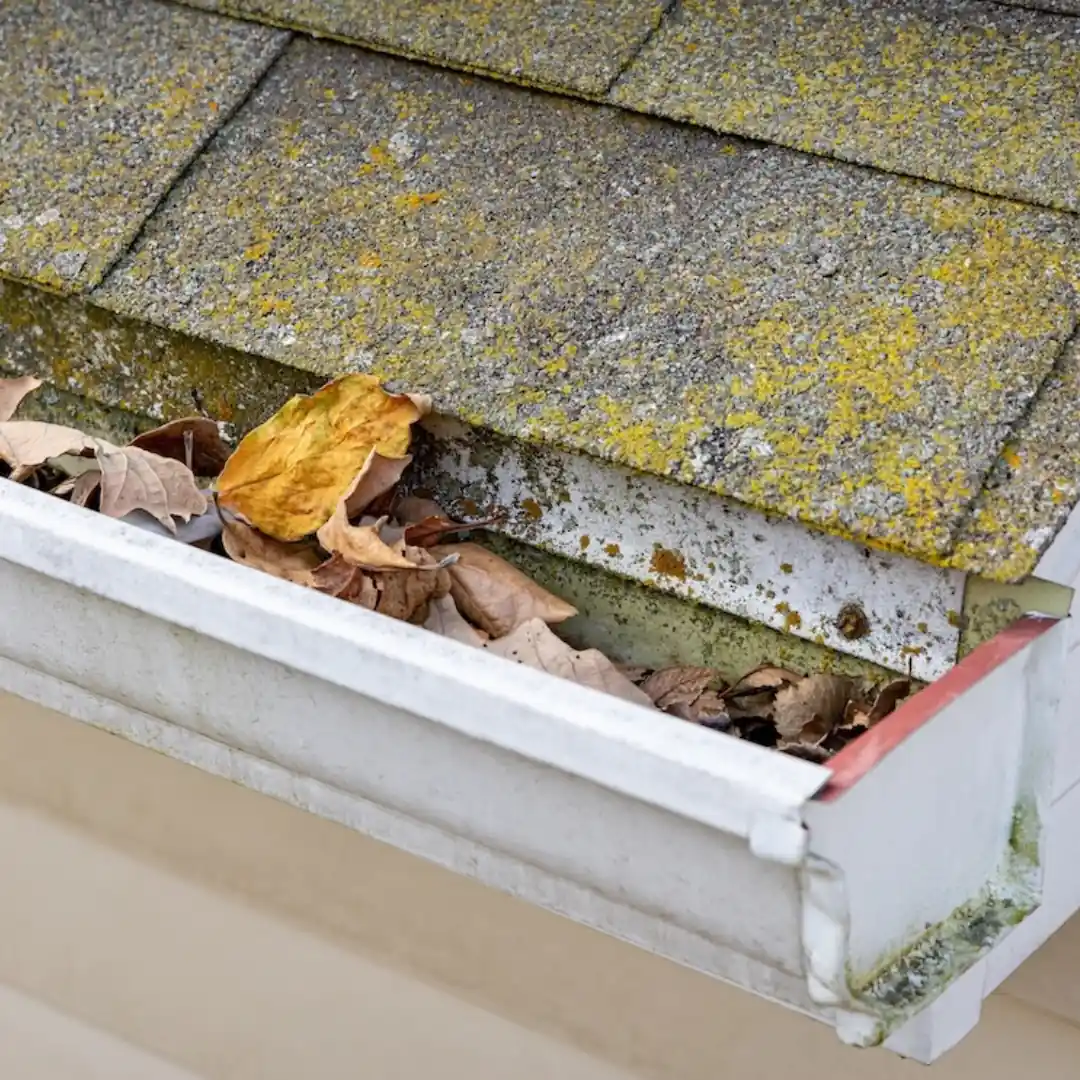
3. Clogged or Backed-Up Gutters
When gutters fill with leaves and debris, water has nowhere to go. Instead of flowing away from your home, it backs up under the shingles or overflows around the foundation.
This is especially common in the fall and early winter when debris piles up fast. Cleaning gutters seasonally is a simple but powerful way to protect your roof—and your whole home—from water damage.
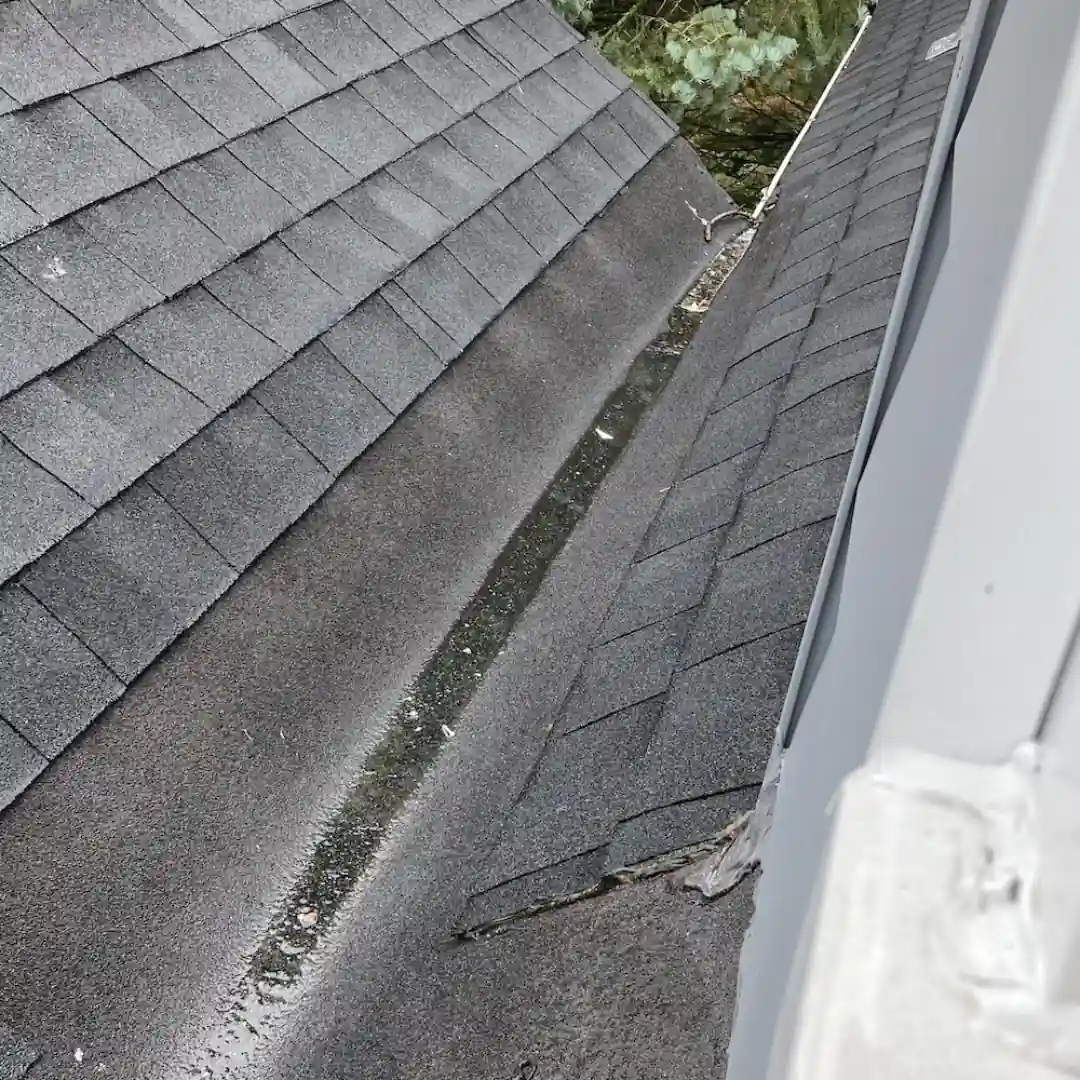
4. Worn-Out Roof Valleys
The valleys—where two roof slopes meet—handle a lot of water flow. If the valley materials are improperly installed or deteriorate over time, water can channel right into your attic or ceiling.
Leaks in valleys often show up as dark streaks or stains on ceilings directly below. Left untreated, it can weaken your roof deck and insulation.
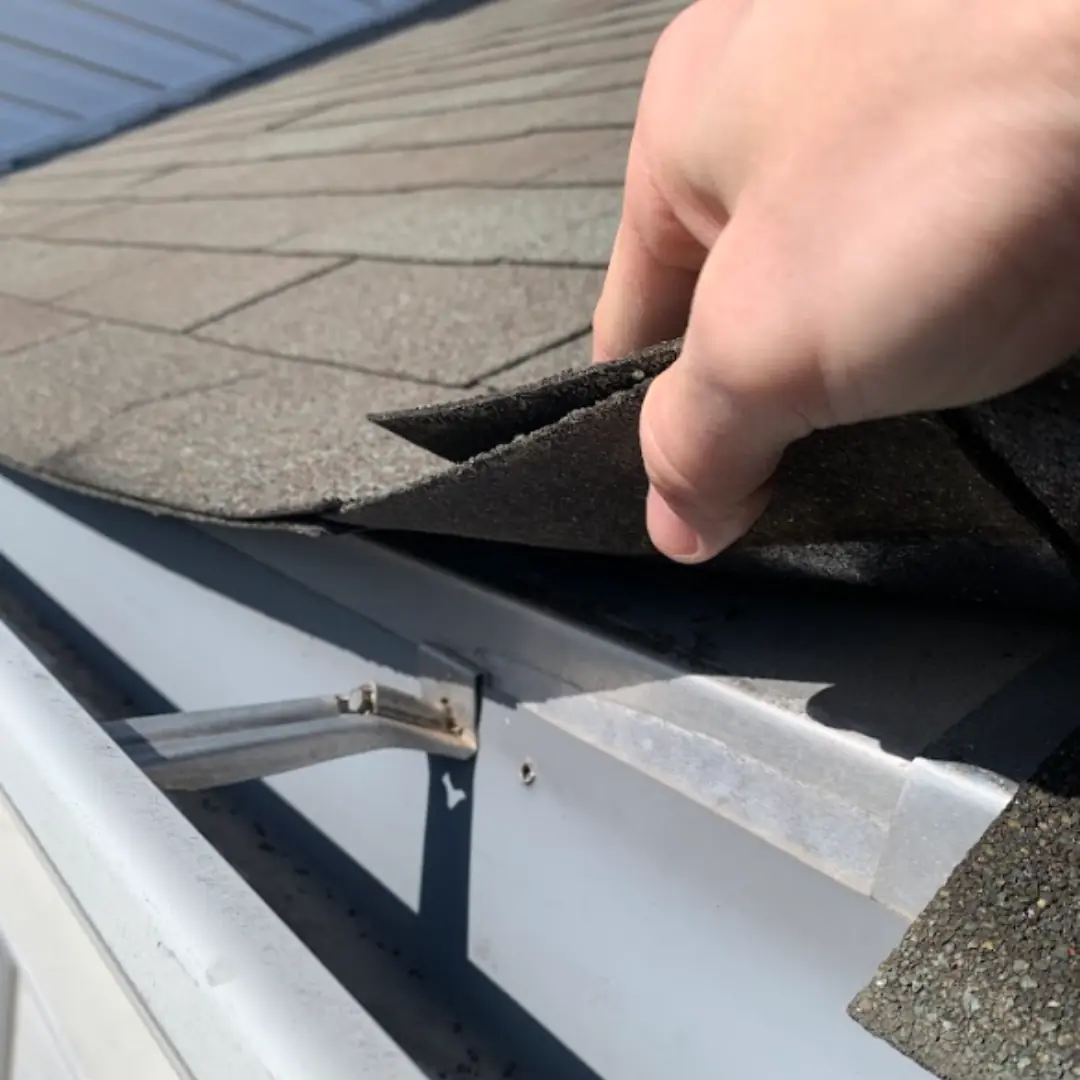
5. Improper Installation or Workmanship
Even the best roofing materials won’t perform well if they’re not installed correctly. Poor workmanship, rushed jobs, or shortcuts during repairs can lead to leaks that take months or even years to appear.
If your roof is fairly new but still leaking, improper installation could be the culprit. That’s why working with certified professionals matters—especially for complex projects or insurance restoration jobs.
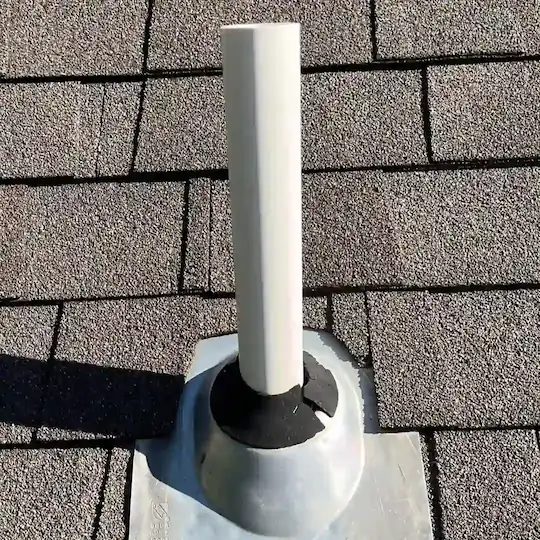
6. Cracked Pipe Boots or Roof Penetrations
Pipe boots are rubber seals that fit around plumbing vents. Over time, the rubber can crack or deteriorate under the sun and weather, allowing water to trickle in around the pipe.
This type of leak can be sneaky. It may only show during heavy rain or take the path of least resistance, showing up far from the actual problem.
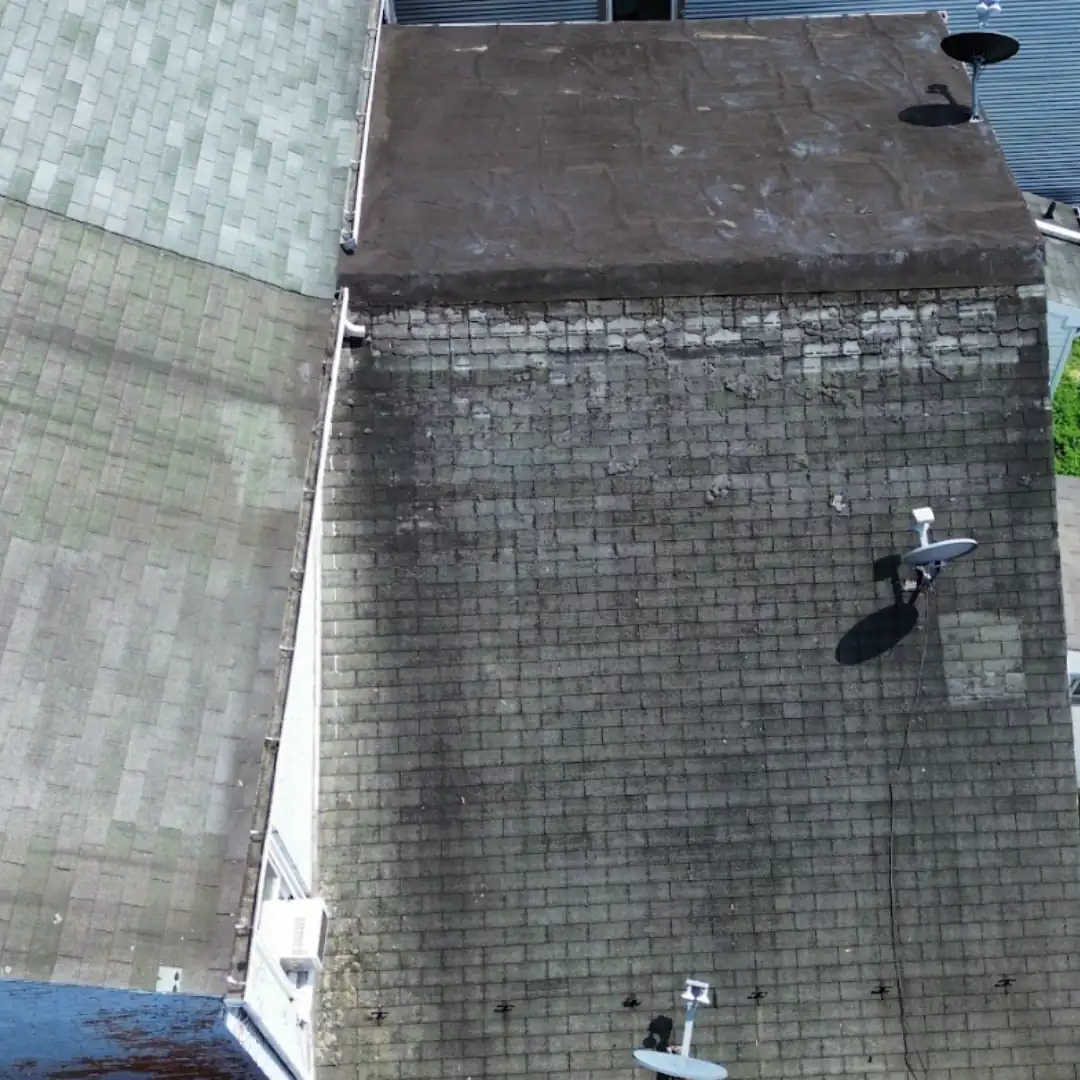
7. Age and General Wear
No roof lasts forever. Asphalt shingles typically last 20 to 25 years. As your roof ages, materials dry out, lose their flexibility, and become more vulnerable to damage.
If your roof is getting close to that range, even small issues like lifted nails or minor cracks can allow water inside. An inspection from a trusted roofing professional can help you decide if a repair or full replacement is the right move.
What You Can Do Next
A leaking roof doesn’t mean you have to panic—but it does mean you need to act. Water damage doesn’t wait. The sooner you identify the source, the easier (and cheaper) it is to fix.
Whether it’s a single shingle or a bigger issue under the surface, getting a local roofing expert to inspect your roof can help you understand the root of the problem—and give you a clear plan to move forward.
If you’re in Maryland, Virginia, West Virginia, or Pennsylvania and you’ve spotted signs of a leak, now’s the time to get it checked. Don’t wait for a rainy day to find out where your roof stands.