

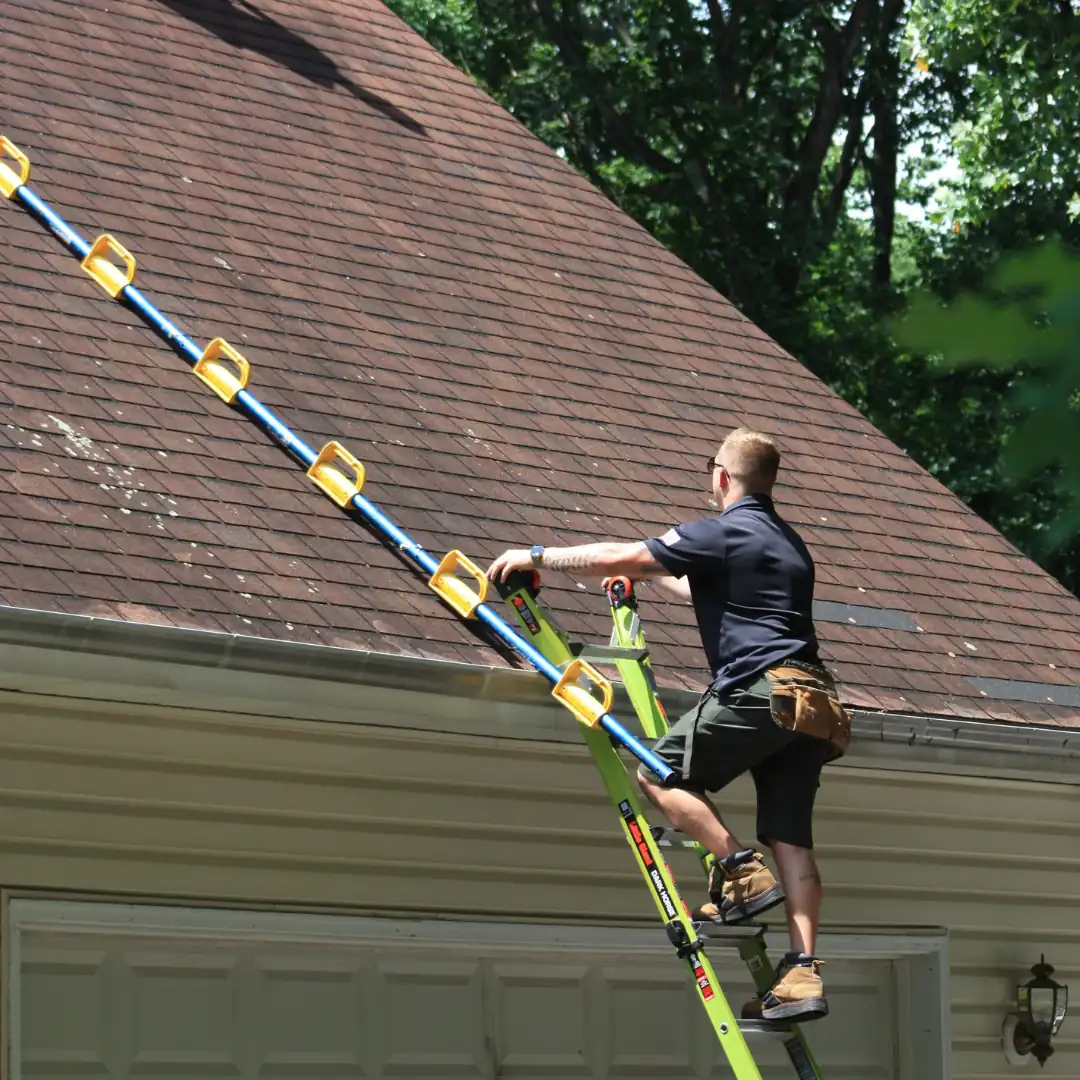
1. Start With a Professional Roof Inspection
After a major storm or suspected damage, the first move is a thorough inspection. Don’t rely on your own eyes from the ground — many types of storm damage (like lifted shingles or granule loss) aren’t obvious. A trained roofing expert knows exactly what to look for and how to document it in a way insurance companies understand.
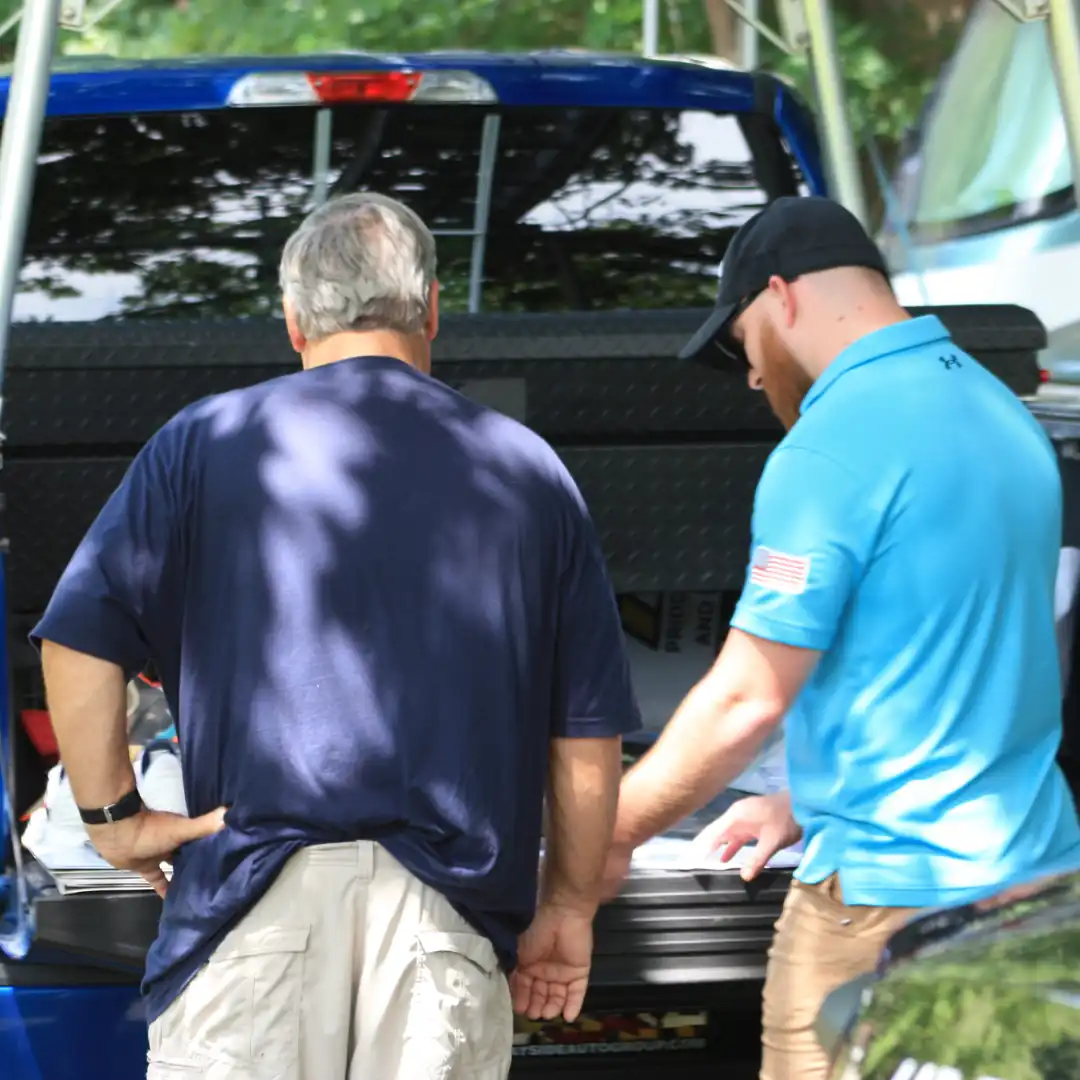
2. Document the Damage for Your Records
While your contractor will handle most of the inspection details, you can strengthen your case by taking your own photos right after the storm — especially if it’s safe to do so from the ground. Capture things like broken shingles, debris, or interior leaks. Keep a record of dates, storm reports, and any emergency repairs you make.
This simple documentation helps create a clear timeline for your claim and can make a difference if questions come up later.
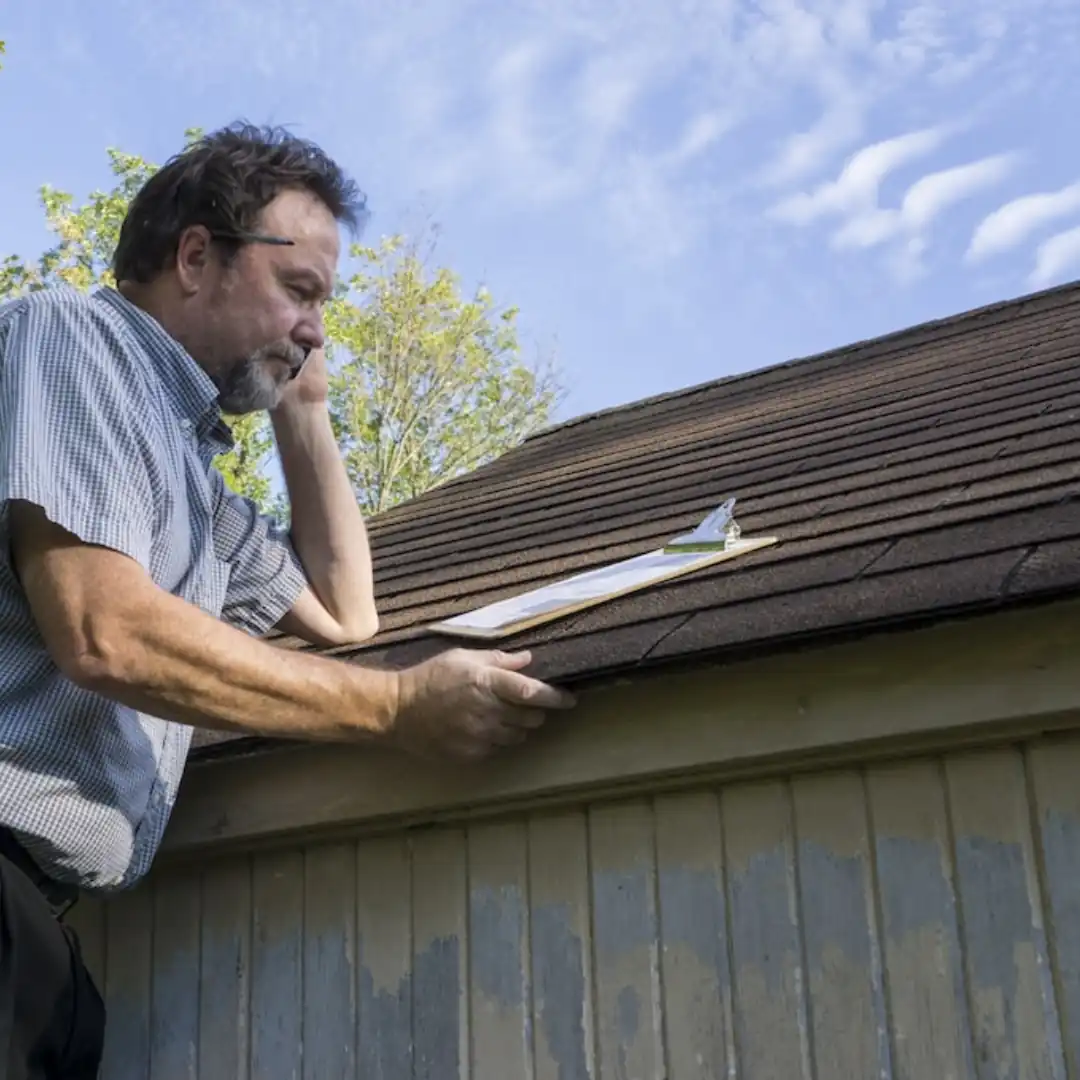
3. Review Your Insurance Policy
Every homeowner’s policy is different. Some cover full roof replacement for storm-related damage, while others include depreciation or have exclusions for older roofs. Reviewing your policy before filing a claim helps you understand what to expect — and what your deductible will be.
If you’re unsure how to interpret your coverage, your roofing contractor can help walk you through it. They’ve seen hundreds of policies and know what’s typically approved or denied. It’s one of those moments where having a professional on your side truly pays off.
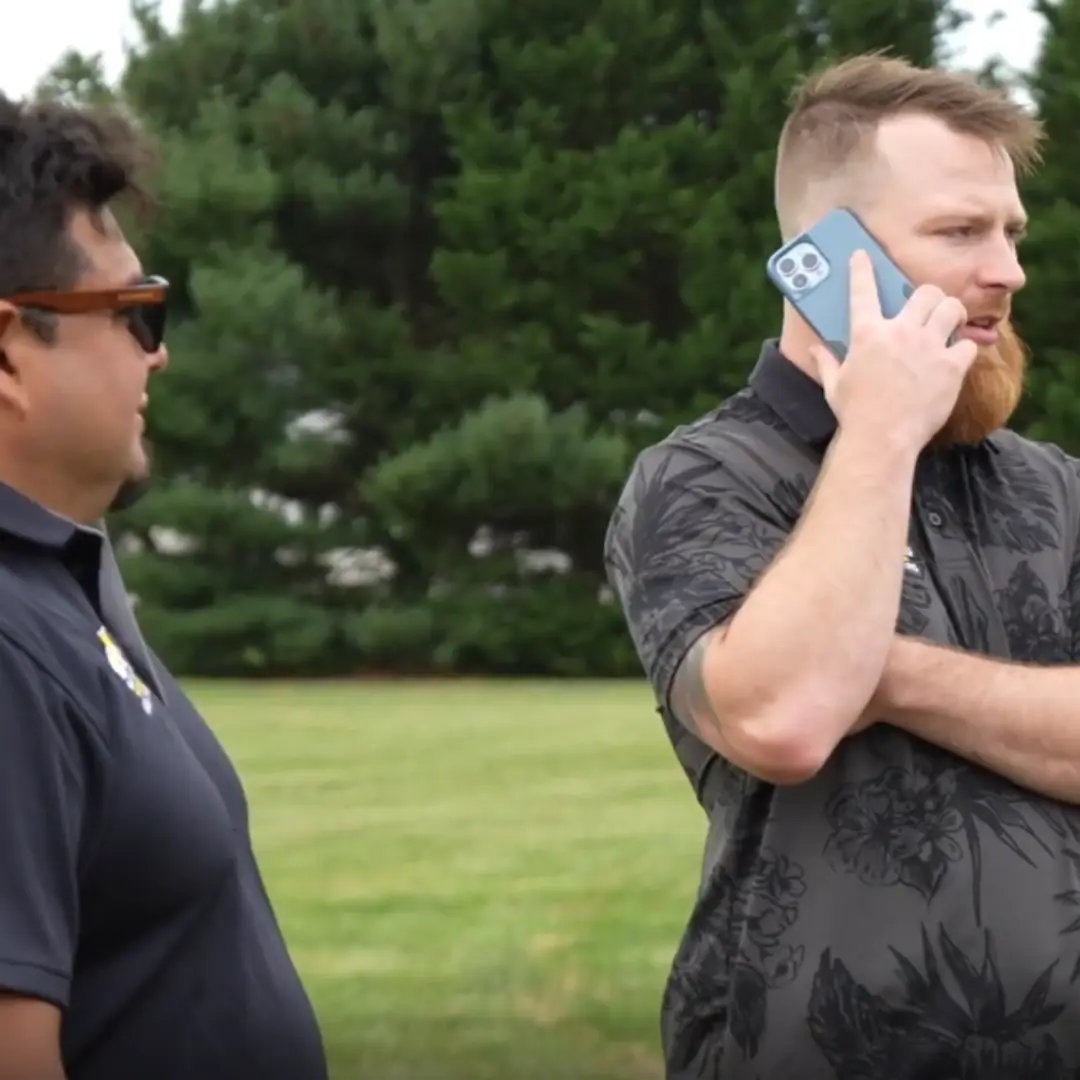
4. File the Insurance Claim
Once your inspection confirms storm-related damage, it’s time to contact your insurance provider. They’ll assign a claims adjuster to assess your roof. Here’s where timing matters — the sooner you file, the easier it is to link the damage to a specific weather event.
When your adjuster schedules a visit, your roofing contractor should be there too. Why? Because an experienced contractor can identify all areas of damage and ensure nothing gets overlooked. They speak the same technical language as adjusters and can advocate for a full and fair scope of work.
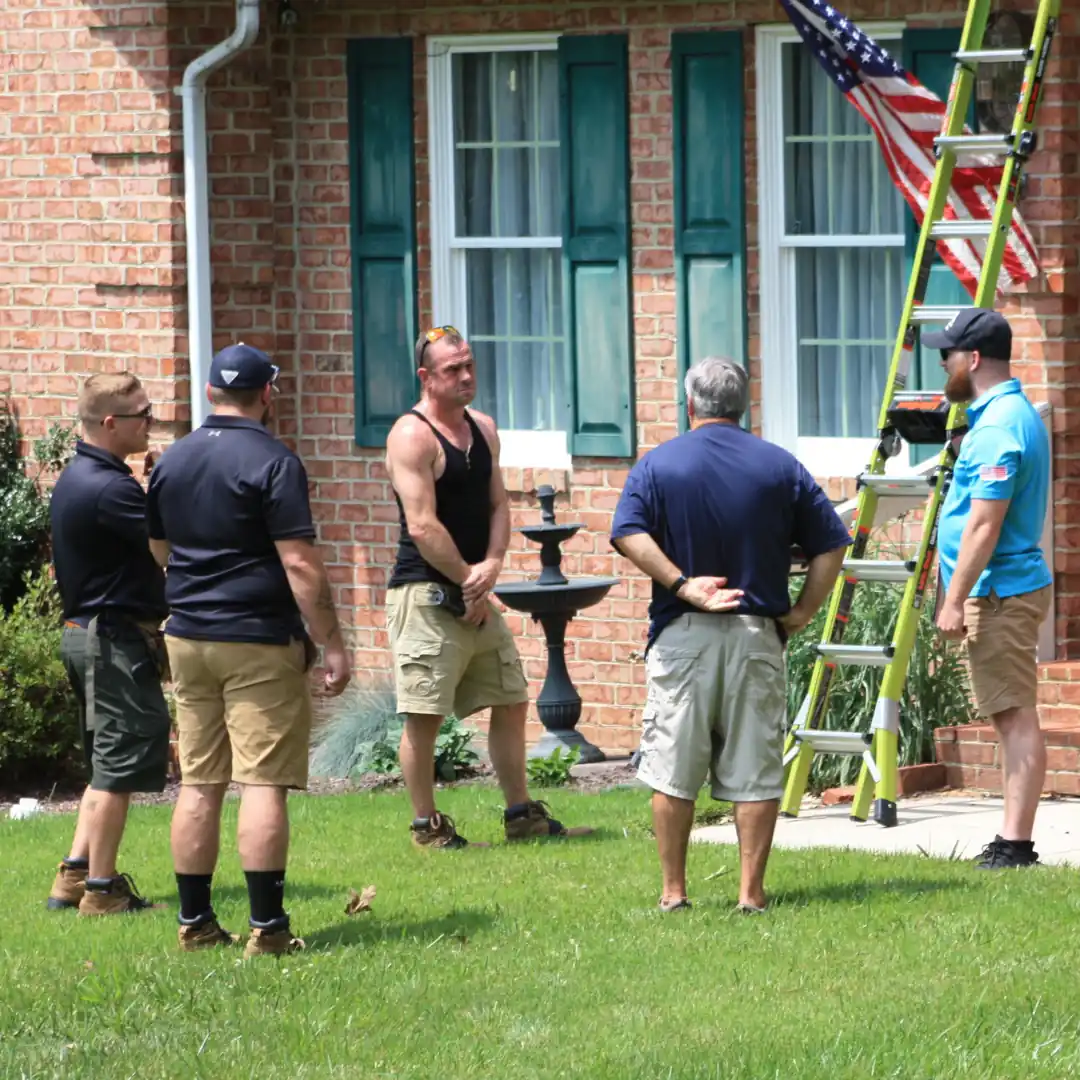
The Adjuster Meeting
This meeting is a critical part of the process. The insurance adjuster’s assessment determines how much your policy will cover — and that means your contractor’s presence can make or break your claim. They’ll compare notes, verify measurements, and discuss whether a full replacement or targeted repair is needed.
If your contractor and adjuster disagree on something, your roofer can provide supplemental reports or additional documentation to support your claim. This helps prevent underpayment and keeps the process moving smoothly.
6. Review the Insurance Estimate
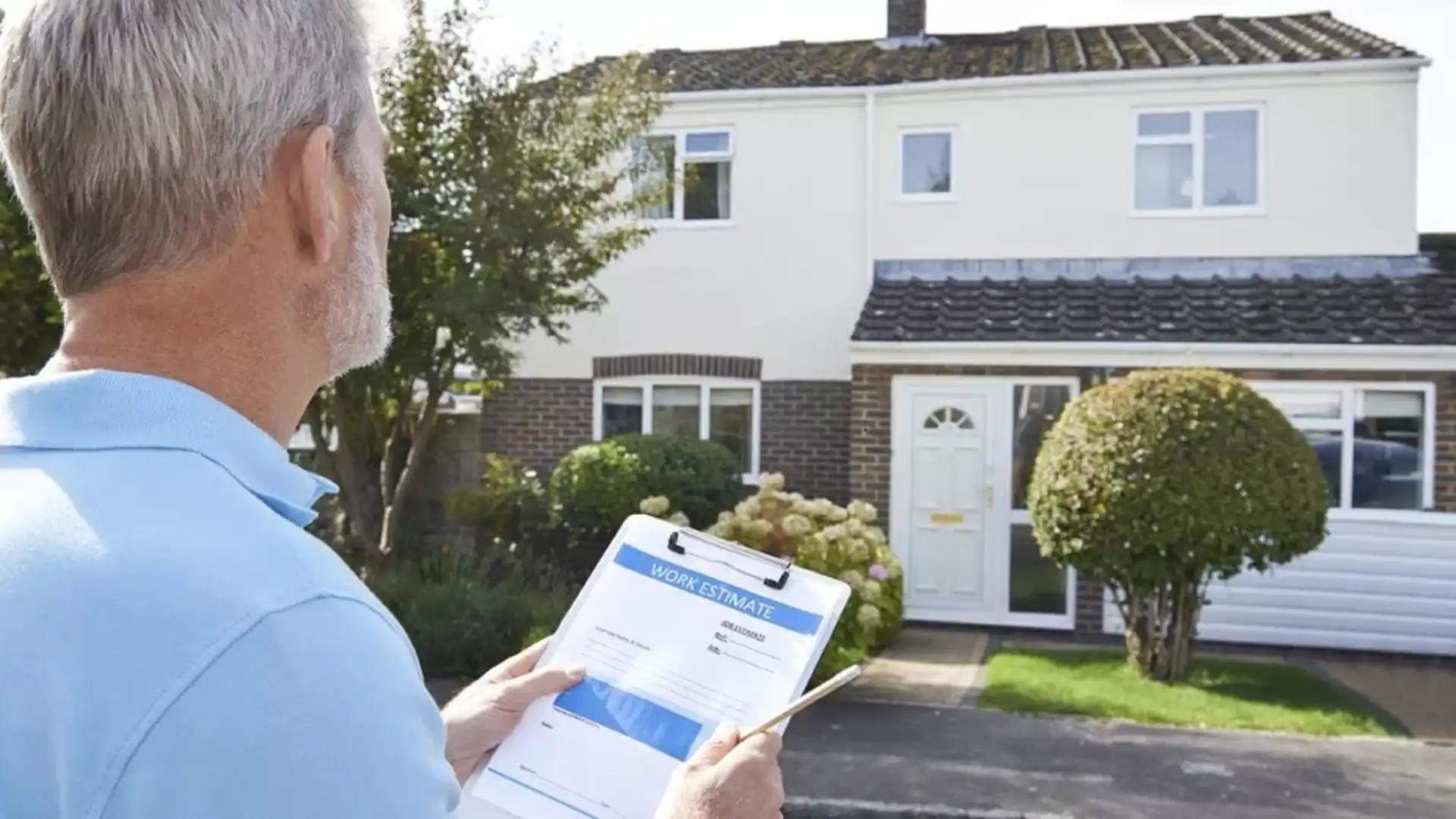
Once the adjuster finalizes their report, you’ll receive an estimate outlining what the insurance company will pay for. Review this carefully — especially the scope of work and materials listed. If anything seems missing, your contractor can submit supplements on your behalf to ensure you’re getting everything your policy promises.
This step often includes detailed line items for tear-off, underlayment, ventilation, and shingle replacement. A reputable contractor will compare this estimate against your roof’s actual condition to ensure accuracy.
7. Schedule Your Roof Repair or Replacement
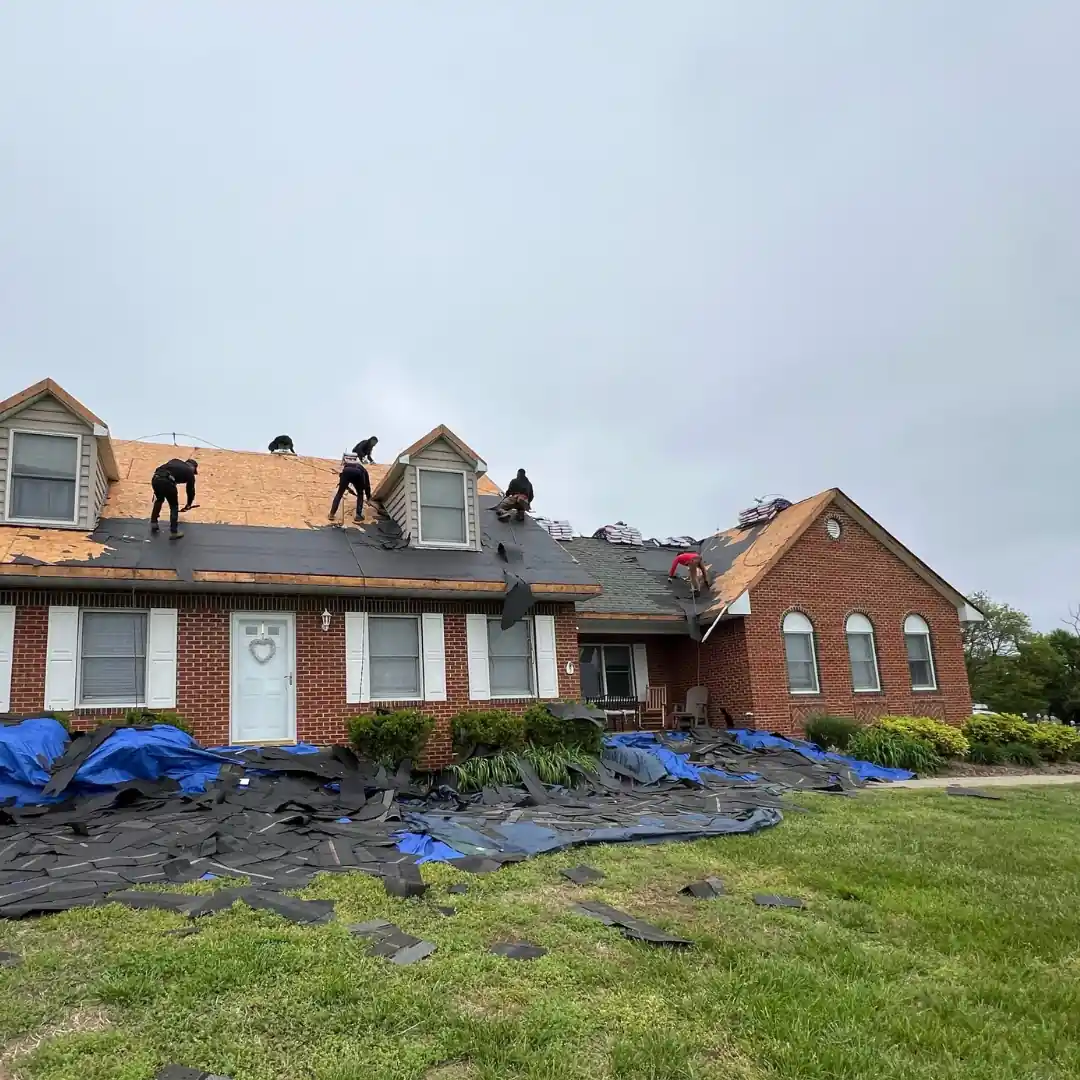
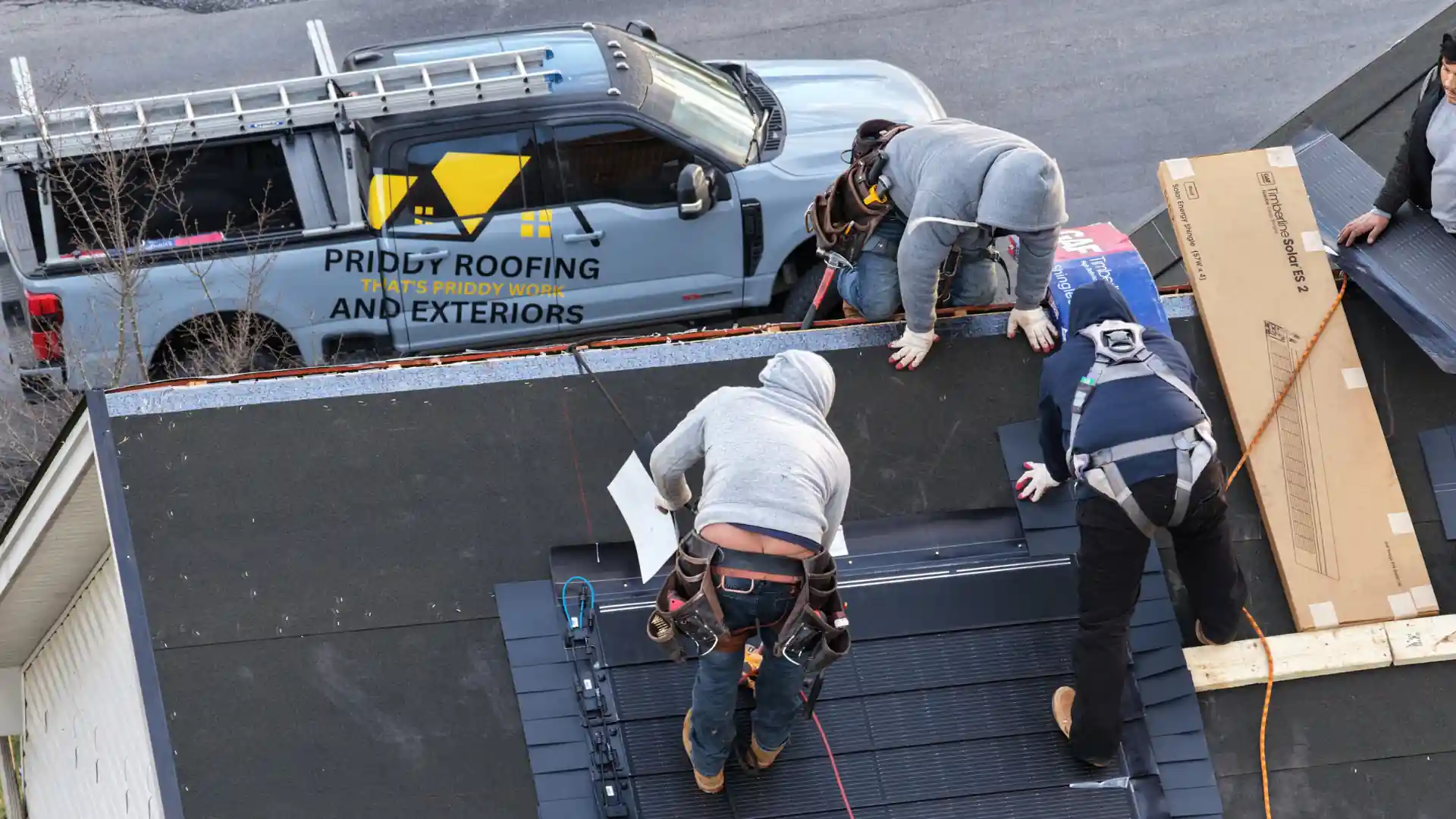
Once the claim is approved, the real transformation begins. Your contractor will coordinate materials, permits, and timelines to get your roof restored as quickly as possible. Whether it’s a full roof replacement or targeted repair, you should expect clear communication and minimal disruption to your daily life.
This is also when many homeowners take advantage of roof financing options. Even with insurance covering most of the cost, you might want to upgrade your materials, add gutters, or complete other exterior improvements while crews are already on site. Flexible financing makes that possible — spreading payments out in a way that fits your budget.
7. Quality Check and Warranty Protection
After your new roof is installed, a quality check ensures everything meets both manufacturer standards and your expectations. You’ll receive warranty documentation — often a GAF manufacturer warranty combined with a workmanship guarantee from your contractor.
These warranties protect your investment and add long-term value to your home. You can rest easy knowing that your roof is built to withstand future storms and backed by trusted protection.
What If the Claim Gets Denied?
Even with valid damage, claims can sometimes be denied due to paperwork errors, unclear evidence, or adjuster oversight. Don’t panic — denials can often be appealed.
A qualified roofing contractor can help by submitting additional documentation, weather reports, or even requesting a reinspection. The key is persistence and professional communication. Insurance restoration experts know how to handle these situations without escalating stress.
Why Working With the Right Contractor Matters
The insurance process isn’t just about filing paperwork — it’s about partnership. A contractor experienced in roofing insurance claims knows how to guide you through every step, advocate for you with adjusters, and ensure your roof is restored properly. They take the pressure off your shoulders and make sure your home gets the attention it deserves.
When you work with a certified and local roofing team, you’re not just fixing a roof — you’re restoring peace of mind and protecting your biggest investment.
Roof Damage Doesn’t Have to Be the End of the Story
If your home has been hit by wind, hail, or storm damage, take action quickly. Every day you wait can make the claim process harder and the damage worse. Start with an inspection from a trusted roofing professional who understands both storm restoration and insurance claims.
From inspection to installation, every step should move you closer to a roof that’s safe, durable, and built to last — without unnecessary stress.
Get Your Free Inspection
Your roof protects everything beneath it — your family, your belongings, your sense of security. When it’s damaged, the goal isn’t just to get a new roof; it’s to make sure the process is handled with honesty, precision, and care.
With the right guidance, you can turn what feels like a setback into a seamless restoration. You don’t have to navigate insurance paperwork, estimates, and adjusters on your own — experienced professionals handle that so you can focus on getting back to normal.
Whether you’re dealing with storm damage in Maryland, hail damage in Virginia, or roof replacement in West Virginia or Pennsylvania, help is closer than you think.