
The Fall Weather Factor
As a homeowner, protecting your roof isn’t just about keeping the rain out—it’s about staying ahead of problems that can quietly damage your home over time. Right now, we’re in that tricky part of the year where afternoons are still warm but nights turn cool. That swing in temperature creates the perfect environment for moss, algae, and mold to take hold.
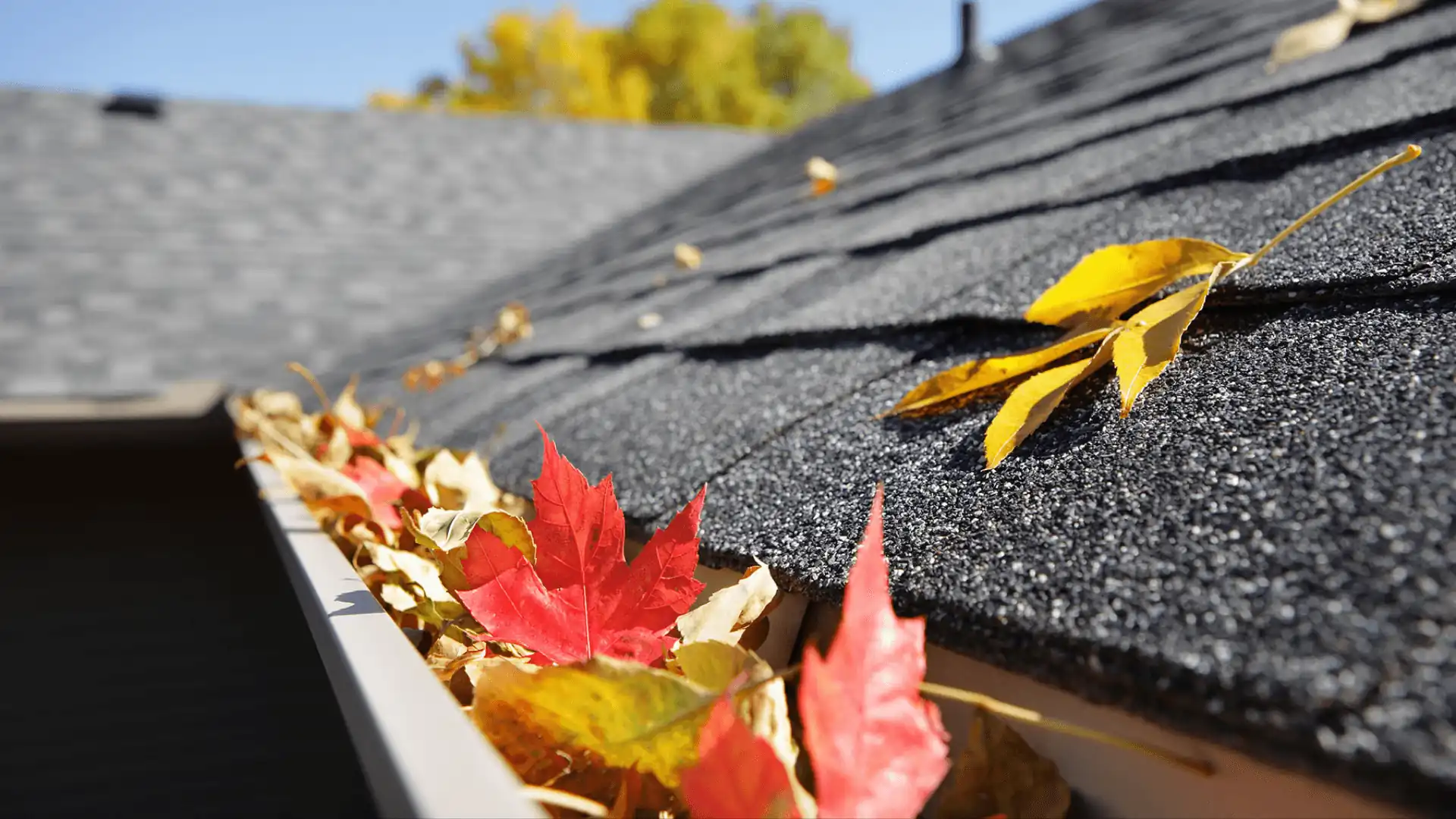
The combination of lingering morning dew, shade from overhanging trees, and fluctuating temperatures means moisture can stick around longer on your roof than in the heat of summer. When moisture lingers, it creates the ideal conditions for these unwanted growths to spread quickly—especially across the shaded sections of many Maryland, Virginia, West Virginia, and Pennsylvania homes.
Understanding the Threats
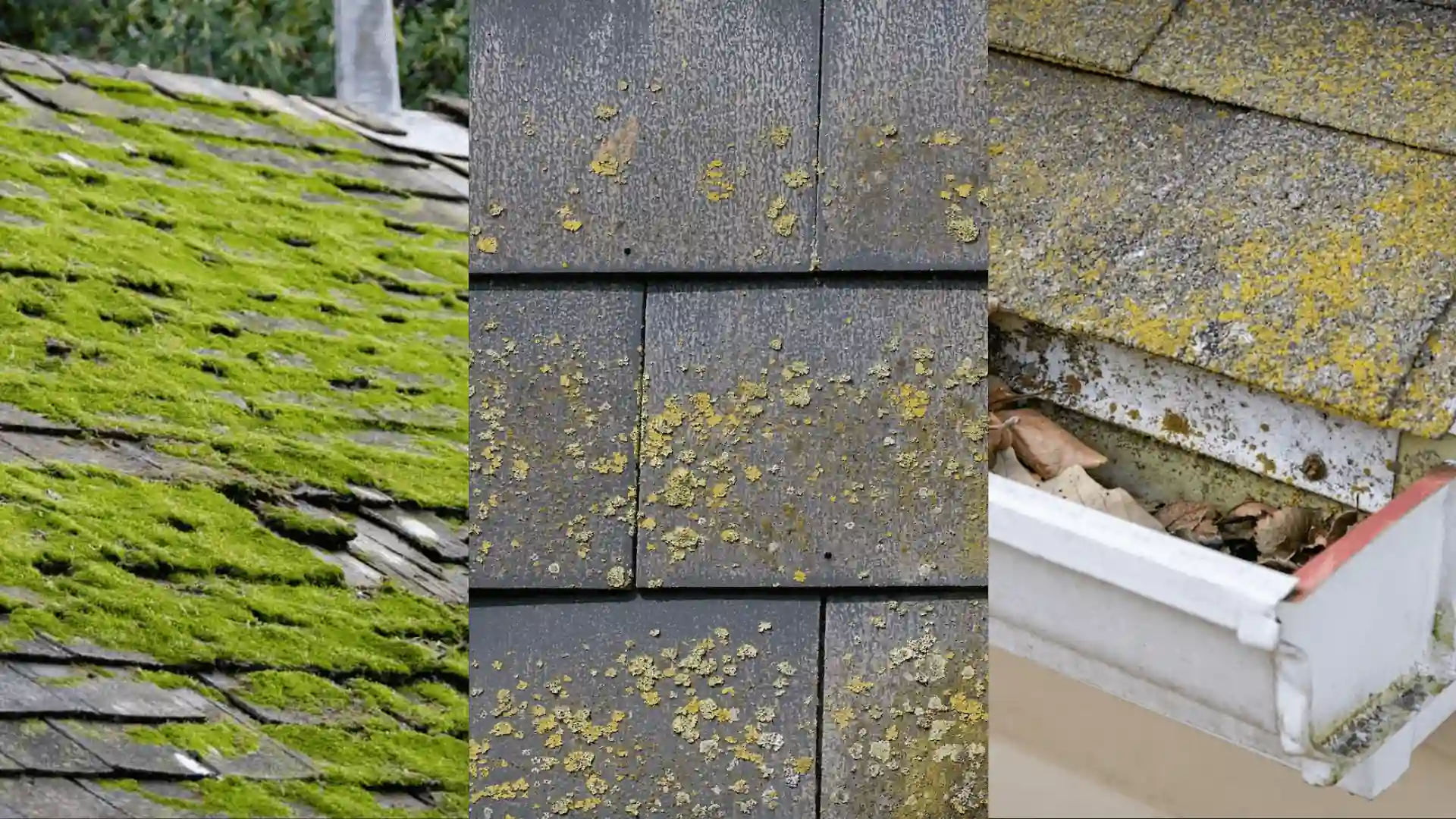
Moss works its way between shingles, lifting them just enough to allow water to seep underneath. That trapped moisture can cause roof decking to rot and eventually lead to leaks.
Algae shows up as dark streaks that might look like dirt but are actually feeding on the limestone filler in asphalt shingles. Over time, algae weaken shingles, shorten roof lifespan, and can even affect curb appeal.
Mold is perhaps the most concerning, because once it forms on the roof surface it can work its way into the attic, spreading spores that may circulate throughout your home and impact indoor air quality.
Areas Most at Risk This Season
Areas Most at Risk This Season
For homeowners in Frederick County, Calvert County, and Saint Mary’s County—including towns like Huntingtown, Prince Frederick, Lusby, Solomons, Waldorf, Leonardtown, California, Deale, and Frederick—these mild-but-moist fall days bring an increased risk of roof growth. Shaded, north-facing slopes in these areas often hold onto morning moisture for hours, creating the perfect breeding ground for moss, algae, and mold.
The Cost of Waiting Too Long
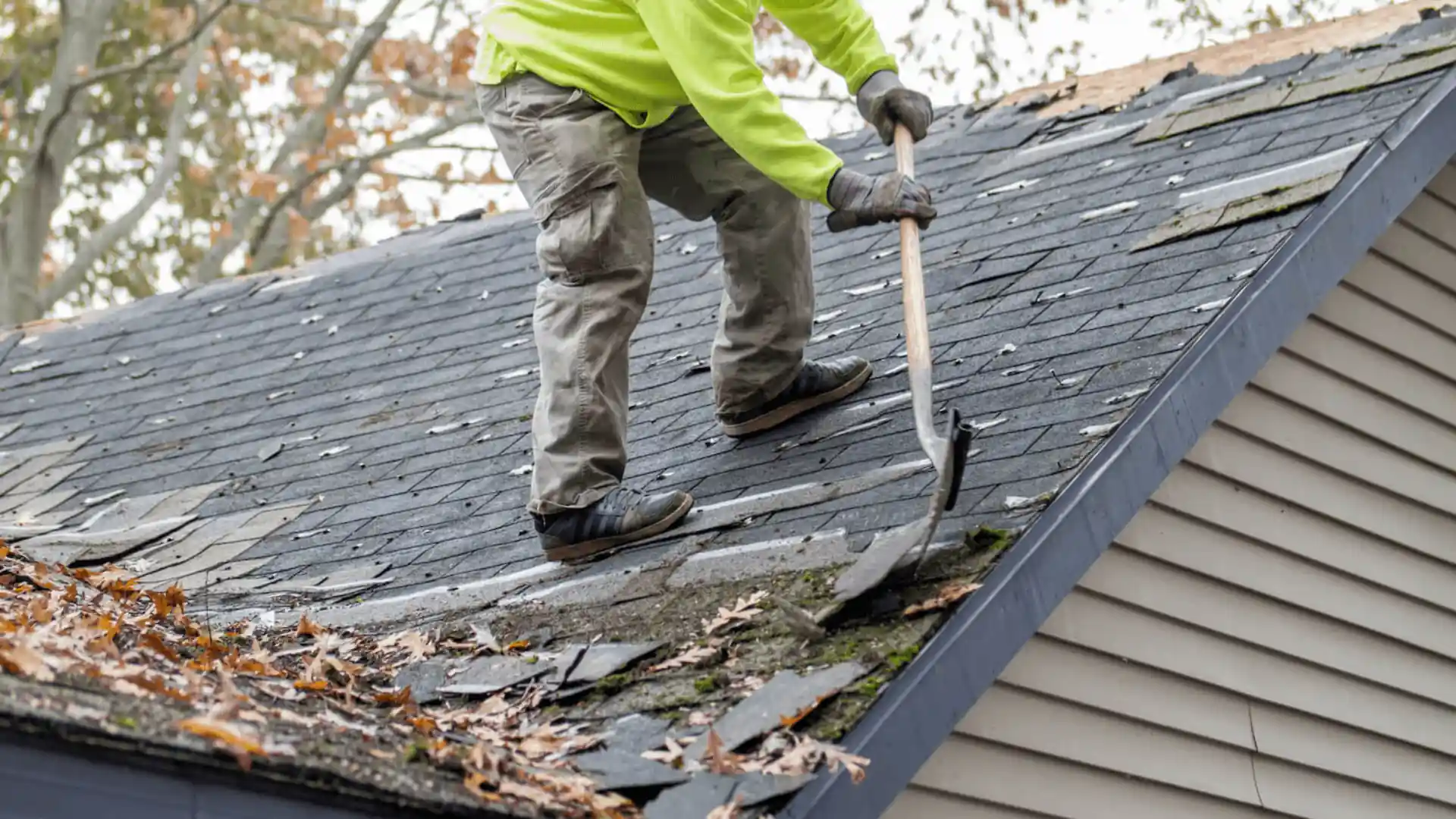
Many homeowners underestimate the cost of ignoring these problems. Left untreated, moss, algae, and mold can weaken shingles to the point where full roof replacement becomes necessary. Repairs to rotting roof decks can be expensive, and leaks can cause damage to insulation, drywall, and ceilings. In homes with mold infiltration, remediation costs can climb quickly—not to mention the potential health concerns for your family.

How Insurance May Help
How Insurance May Help
Here’s something many homeowners don’t realize: if the growth has caused damage that’s considered a covered peril—such as water intrusion or structural damage tied to storm activity—your homeowner’s insurance may help cover part or even all of the repair or replacement costs.
A professional roofing contractor can inspect the damage, document it properly, and guide you through the insurance claim process so you don’t leave potential benefits on the table.
Modern Roofing Products That Resist Growth
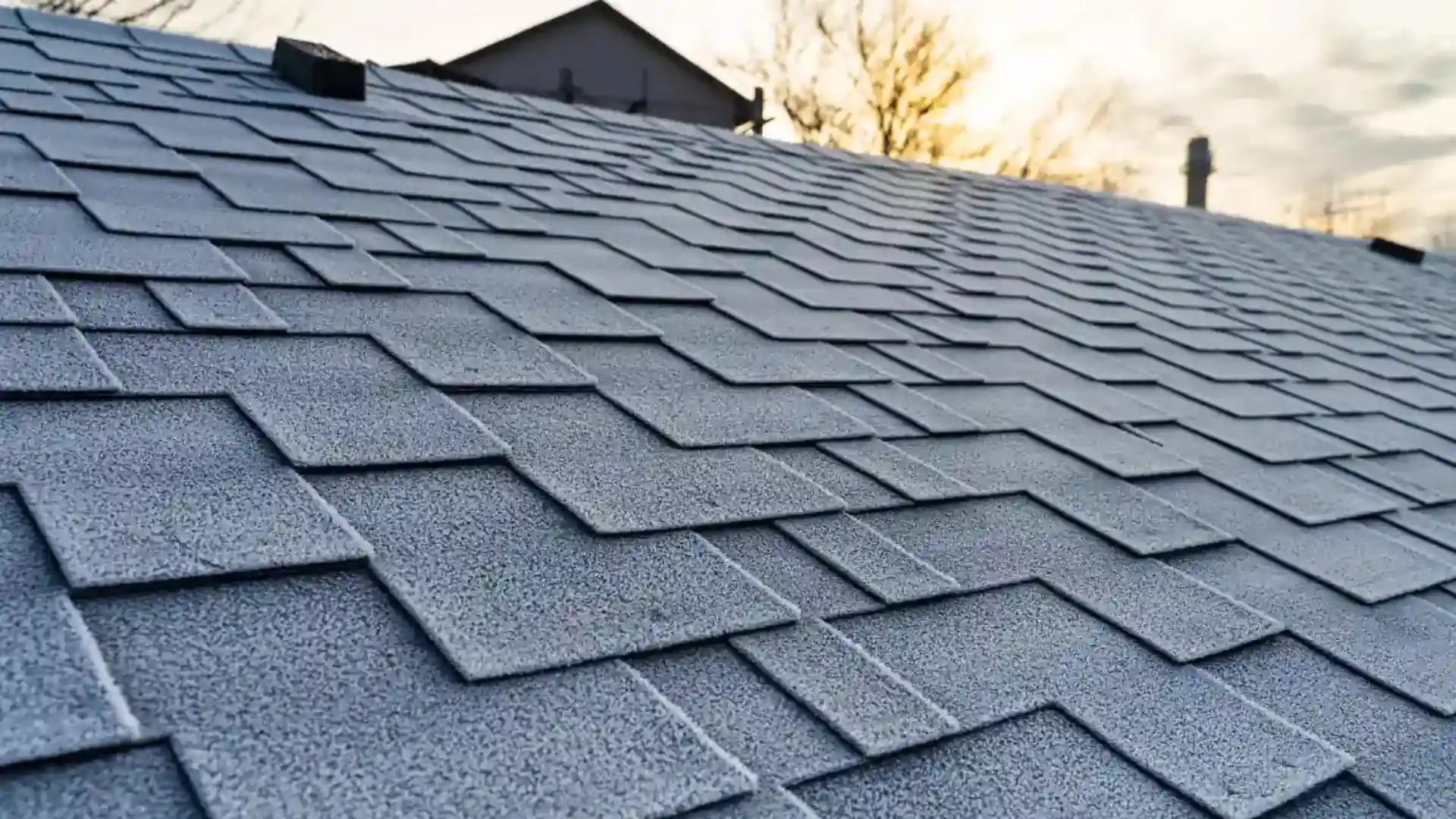
The good news is that modern roofing materials can fight these problems before they start. Many high-quality asphalt shingles—used by leading Maryland roofing companies—now contain copper or zinc granules that naturally resist moss and algae growth. These minerals slowly release over time, creating an inhospitable surface for unwanted growth.
Enhanced underlayments and ventilation systems also help roofs shed moisture faster, reducing the risk of mold. For homeowners in humid or wooded neighborhoods, investing in algae-resistant roofing materials is one of the smartest moves you can make to protect your home.
Your Next Steps This Fall
If you’re concerned about the condition of your roof heading into winter, now’s the time to act. Start with a free inspection from a trusted local roofing contractor. They can identify early signs of moss, algae, or mold and give you clear options for addressing the problem before it worsens. If damage is found, they can also help determine whether an insurance claim is an option.
From there, you can decide whether your roof needs a professional cleaning, targeted repairs, or even a new installation with algae- and moss-resistant shingles.
Protect Your Roof and Your Investment
Taking care of this now means you won’t be dealing with costly repairs come spring. Instead, you’ll be heading into winter knowing your roof is ready to protect your family and that your home will continue looking its best.
With the right roofing products, seasonal maintenance, and the potential protection of your homeowner’s insurance, moss, algae, and mold don’t stand a chance. Address them early, and you’ll keep your roof strong, your home dry, and your investment secure for years to come.